How to Use Edible Glitter on Fresh Fruit Without Moisture Damage

Knowing how to use edible glitter on fresh fruit is one of those skills that looks deceptively simple until you try it for the first time. The glitter goes on perfectly, the strawberries look stunning, and then within fifteen minutes the sparkle has started to dissolve, bleed, or disappear entirely into the fruit's surface moisture. If that sounds familiar, you are dealing with the same challenge every baker and food stylist faces when applying edible glitter to fresh produce.

The good news is that achieving perfect results with edible glitter on fruit is completely achievable. It just requires understanding why moisture is the problem, and then taking a few targeted steps to manage it before you even open your glitter jar. This guide covers everything from fruit preparation to adhesive choice to storage, so your decorations look exactly as intended from platter to table.

Why Moisture Is The Biggest Challenge When Decorating Fresh Fruit

Fresh fruit is naturally high in surface moisture. Strawberries, blueberries, raspberries, grapes, and other popular decorating choices all release water as they sit at room temperature, and their skins are often still damp even after drying. This ambient moisture is the primary reason decorating fruit with edible glitter is more challenging than decorating a cake.

Most edible glitters are made from hygroscopic ingredients, primarily sugar or maltodextrin, that attract and absorb moisture from surrounding surfaces. On a dry buttercream or fondant, this is not a problem. On fresh fruit, the glitter encounters continuous moisture from the fruit's surface and begins to dissolve almost immediately — making surface preparation the single most important factor in how long your decoration holds.

Sugar-based glitters dissolve fastest. Maltodextrin-based glitters, like Magic Sparkles, are more resistant because maltodextrin absorbs moisture more slowly than refined sugar. However, even the most moisture-stable edible glitter needs a properly prepared fruit surface to perform well. The preparation is non-negotiable.

Choosing The Right Edible Glitter For Fruit Platters

The first decision that affects your results is which glitter you choose. Not all products are suitable for edible glitter for fruit platters, and the difference in performance between a sugar-based and a maltodextrin-based glitter in a moisture-rich environment is significant.

For decorating fruit with edible glitter, look for products made from food-grade maltodextrin with natural plant-based colorings. Magic Sparkles products tick both boxes. Their crystal structure refracts light prismatically and holds together longer in the presence of surface moisture than sugar alternatives.

Avoid any glitter labeled "non-toxic" but not "edible." These products are made from polyester or plastic particles and have no place on food, let alone fresh fruit that will be eaten with no further preparation. Truly edible, food-grade glitter is the only category appropriate for direct fruit decoration.

For fruit platters specifically, finer glitter particles or edible sparkle powder tend to work better than large flake glitters. Fine particles adhere more evenly to curved, slightly irregular fruit surfaces and are less likely to slide off when the fruit moves.

How To Properly Wash And Dry Strawberries And Fresh Berries

Surface dryness is the foundation of everything else in this guide. No adhesive or glitter choice will compensate for wet fruit. Edible glitter on strawberries will not hold if the strawberry surface is damp.

Wash your fruit gently under cool water and then spread it in a single layer on a clean kitchen towel. Pat the tops and sides dry as thoroughly as possible without crushing the fruit. Then leave the fruit to air dry at room temperature for at least 20 to 30 minutes before you begin decorating.

For glitter on fresh berries, this drying window matters enormously. Small berries like blueberries and raspberries have more surface area relative to their size and release moisture more readily than larger fruits. Give them additional drying time and avoid refrigerating them immediately before decorating, as cold fruit brought into a warm room will develop condensation on the surface.

If you are working under time pressure, placing washed and patted fruit on a wire rack near a fan significantly speeds up surface drying without damaging the fruit.

Pre-Treatment Methods To Reduce Surface Moisture

Beyond standard drying, there are pre-treatment methods that help create a more stable surface for edible glitter on strawberries and other fresh fruit.

A very light dusting of cornstarch over the dried fruit surface absorbs residual surface moisture before you apply your adhesive layer. Use a dry pastry brush to apply the smallest possible amount. Too much cornstarch will create a chalky appearance, but a barely-there dusting is invisible once the glitter is applied on top.

Some food stylists use a very thin spray or brush of clear alcohol, such as vodka, over the fruit surface before glitter application. The alcohol evaporates quickly, taking surface moisture with it, and leaves a slightly tacky surface that helps the glitter adhere. This technique works particularly well for edible glitter on strawberries, where the surface has a natural sheen.

Another approach used in professional settings is a brief blast from a food-safe heat gun or hair dryer on the lowest cool setting across the fruit surface. This evaporates surface moisture rapidly without cooking the fruit. Keep the heat source moving constantly and maintain at least 20 centimetres of distance.

How To Make Glitter Stick To Fruit Without Syrup

Knowing how to make glitter stick to fruit without relying on syrup or other wet adhesives is the key to preventing glitter from dissolving on fruit. Syrup adds moisture to an already moisture-rich surface, which defeats the purpose.

The most effective approach is using piping gel applied in the thinnest possible layer with a fine brush. Piping gel is water-based but sets to a slightly tacky, stable surface. When applied sparingly, it provides enough grip for glitter without adding significant moisture.

Clear edible glue applied with a fine brush is another reliable option. Like piping gel, it is designed to be used in small quantities. The key with both products is restraint. A thin layer works. A thick layer traps moisture and causes the glitter to dissolve from below.

For fruit cake decoration tips in professional settings, food-safe lustre spray or aerosol glitter can also be applied directly over pre-dried fruit. The aerosol format distributes product in a fine, even layer that adheres without pooling.

Best Edible Adhesives That Won't Cause Moisture Damage

These are the adhesives worth having in your toolkit for decorating fruit with edible glitter.

Piping gel: Applied in the thinnest possible layer with a fine brush. Sets to a stable, grippy surface without adding significant moisture to the fruit skin. Best for individual pieces where precision matters.

Clear edible glue: Similar application to piping gel. Dries slightly firmer, which can be an advantage for pieces that need to hold longer before serving.

Lightly beaten egg white: A traditional option that dries clear and has good adhesive properties. Apply with a brush, allow to just barely set for thirty seconds, then apply glitter immediately. Not suitable for vegan applications.

Clear alcohol: Brushed onto the fruit surface, it evaporates quickly and leaves minimal residue while improving glitter adhesion. Best for immediate service situations rather than advance preparation.

All of these are moisture-safe cake decorations approaches when used correctly. The common thread is minimal application. More adhesive does not mean better adhesion. It means more moisture, which means faster glitter dissolution.

Techniques For Decorating Fruit With Edible Glitter Evenly

Even application is what separates a polished result from a patchy one. These techniques help you achieve consistent coverage when decorating fresh fruit with edible glitter is your goal.

Work on one piece of fruit at a time. Apply your adhesive, then immediately apply glitter before moving to the next piece. Working in batches of ten or more pieces means by the time you return to the first piece, the adhesive may have dried past its optimal tacky window.

Use a small spoon to scatter glitter over the top surface and a dry brush to press it gently into the sides. The spoon gives you coverage; the brush gives you precision. For edible glitter on strawberries, brush glitter from the tip upward toward the hull for the most natural-looking coverage.

For edible glitter for fruit platters where you are decorating a large number of pieces, set up an efficient workstation. Adhesive on the left, glitter in the centre, finished fruit on the right. Keep your tools dry between uses. A damp brush transfers moisture into your glitter jar, which will ruin the remaining product over time.

How To Use Edible Glitter on Fresh Fruit Without It Dissolving

Prevent glitter from dissolving on fruit by managing three things: surface moisture, adhesive quantity, and timing.

Surface moisture is addressed through thorough drying and pre-treatment as described above. Adhesive quantity should always be minimal. Timing is perhaps the most underrated factor. Glitter fruit decorations are not a prepare-two-days-ahead situation. They are best completed one to two hours before serving and kept in a cool, low-humidity environment until display. In high-volume event catering, timing glitter application within a 90-minute service window is considered best practice for maintaining maximum sparkle through service.

If you are preparing fruit cake decoration tips for an event, communicate clearly to your clients about this timing reality. Sparkle on fresh fruit is a beautiful but time-sensitive decoration. Setting that expectation in advance avoids disappointment on the day.

Choosing a maltodextrin-based glitter rather than a sugar-based one gives you more time within that window. The structural stability of maltodextrin crystals means they hold their shimmer longer in the presence of ambient moisture.

Storage Tips To Keep Glitter Stable On Fresh Fruit

Once your glittered fruit is ready, how you store it until serving makes a significant difference to the final appearance.

Keep decorated fruit in a single layer on a flat tray. Never stack glittered fruit pieces, as the contact between pieces will dislodge glitter and cause bleeding between surfaces.

Store in a cool room rather than a refrigerator if serving within two hours. Refrigeration introduces a condensation risk when the fruit is brought back out. If refrigeration is necessary, cover the tray loosely with parchment paper rather than cling film, which traps moisture against the fruit surface.

Avoid placing decorated fruit near other dishes that generate steam or heat. Even indirect heat from warming trays nearby can raise the ambient humidity around your fruit display enough to accelerate glitter dissolution.

For outdoor events, keep glittered fruit in a cool box or shaded display until as close to serving time as possible. Direct sunlight on fresh fruit raises the fruit temperature and accelerates surface moisture release.
For consistent, professional results with fruit decoration, find trusted edible glitter suppliers near you.

Conclusion

Knowing how to use edible glitter on fresh fruit is genuinely one of the most satisfying decoration skills to develop. The results, when done correctly, are extraordinary. Sparkling strawberries, shimmering blueberries, and glitter-kissed grapes on a dessert platter create a visual impact that far exceeds the effort involved once you understand the process.

The core principles are simple: dry your fruit thoroughly, use adhesive sparingly, choose a moisture-stable glitter, and time your decoration close to serving. These four steps, applied consistently, will transform your fruit decoration results completely. For professional kitchens, choosing a moisture-stable glitter like Magic Sparkles ensures consistent presentation at scale, whether you are decorating twenty pieces or two hundred.

Fresh fruit and edible glitter are a combination worth mastering. Give it the preparation it deserves and the results will speak for themselves.
When you have the technique right, the glitter you choose matters just as much — find out where to buy edible glitter for fresh fruit that is moisture-stable, food-grade, and built to hold its sparkle.

FAQ

Is edible glitter safe to use on fresh fruit? 

Yes, as long as you are using truly edible glitter made from food-grade ingredients like maltodextrin and natural plant-based colorings. Products labeled "non-toxic" but not "edible" are made from polyester or plastic and should never be placed on food. Magic Sparkles products are vegan certified, halal certified, kosher certified, and made from genuinely food-safe ingredients.

How do you make edible glitter stick to fruit without it dissolving? 

Dry your fruit thoroughly before applying any adhesive. Use a minimal amount of piping gel or clear edible glue applied with a fine brush. Apply glitter immediately while the adhesive is still tacky. Choose a maltodextrin-based glitter rather than a sugar-based one for better moisture resistance, and decorate as close to serving time as possible.

Can moisture ruin edible glitter on strawberries and berries? 

Yes. Surface moisture is the primary cause of glitter dissolution on fresh fruit. Strawberries and berries naturally release moisture as they sit at room temperature, and this moisture dissolves the crystalline structure of edible glitters over time. Thorough drying before decoration and minimising adhesive moisture significantly extends how long glitter holds its sparkle.

What is the best way to prepare fruit before applying edible glitter? 

Wash fruit gently, pat dry with a clean kitchen towel, and allow to air dry for at least 20 to 30 minutes on a wire rack before decorating. For additional surface preparation, a very light dusting of cornstarch or a thin brush of clear alcohol over the surface removes residual moisture and improves glitter adhesion.

How do you prevent edible glitter from bleeding or fading on fresh fruit? 

Use a moisture-stable maltodextrin-based glitter, apply adhesive in the smallest effective quantity, and decorate as close to serving time as practically possible. Store decorated fruit in a single layer in a cool, low-humidity environment away from direct sunlight and heat sources. Avoid refrigeration immediately before serving to prevent condensation forming on the fruit surface.

Read More >

Available In 22 Other Colours

  • Red Color Swatch

How Do I Buy?

Find Retailer here:

How much do I need?

Edible Glitter Wholesale International Shipping: Magic Sparkles Export Guide

If you are exploring Edible glitter wholesale international shipping, you are likely looking for a s...

Cake Decorating Tools: Essential Guide For Bakers (2026)

The finish on a cake tells a story before anyone takes a bite. Whether you are just beginning or ref...

High-Protein Cake Recipe For Home Bakers: Healthy, Handmade & Beautifully Decorated

If you have been searching for a high-protein cake recipe that feels indulgent yet supports your hea...

Edible Glitter Colours Bulk Order Guide For Bakeries & Cake Decorators

If you are planning your next purchase, this guide will help you make confident, cost-effective deci...

Buying Edible Glitter in Bulk: A Guide for Wholesale Bakers

Why Wholesale Bakers Buy Edible Glitter In Bulk Buying edible glitter in bulk is not just about s...

How to Fix Too Much Edible Glitter on a Cake

Why Over-Applying Edible Glitter Is a Common Mistake Knowing how to fix too much edible glitter o...

Gold vs Silver Edible Glitter: Which Colour Works Best on Different Desserts

Gold vs Silver Edible Glitter: Why The Colour Choice Matters Gold vs silver edible glitter is one...

Can You Use Edible Glitter on Savoury Food? What Actually Works

Can You Actually Use Edible Glitter on Savoury Food Yes. Edible glitter on savoury food is a real...

How to Start a Glitter Cake Business from Home: Costs, Tools and Suppliers

Why Glitter Cake Businesses Are Growing If you have been thinking about how to start a glitter ca...

Edible Glitter for Allergen-Free Baking: What to Look for on the Label

Why Allergen-Free Edible Glitter Matters for Bakers Allergen free edible glitter for baking is no...

How to Use Edible Glitter on Fresh Fruit Without Moisture Damage

Knowing how to use edible glitter on fresh fruit is one of those skills that looks deceptively simpl...

Beyond the Sparkle: Magic Sparkles Making Truly Safe Edible Glitter for Everyone

When you pick up a jar of glitter from a baking supply shop, how do you know it is actually safe to ...

How to Create Homemade Natural Edible Glitter With Simple Ingredients

Homemade edible glitter is one of those ideas that sounds complicated but is actually very approacha...

Why Edible Glitter Fades in Humid Weather (And How to Prevent It on Cakes)

Humidity above 65% RH destabilises most sugar-based glitters within hours. The shimmer that looked p...

Kids Birthday Cake Design Ideas Using Edible Glitter

There is a moment at every kid's birthday party when the cake comes out and the room goes quiet for ...

How To Keep Cake Decorations From Melting in Warm Environments

You have spent hours on a cake. The buttercream is smooth, the glitter is perfect, the fondant detai...

Using Edible Glitter on Donuts: A Step-by-Step Guide

If you have ever scrolled past a tray of shimmering, prismatic donuts and thought "how did they do t...

101: Your Guide To Magic Sparkles Edible Glitter

If you have ever stood in a baking supply aisle staring at jars of glitter wondering which one is ac...

15 Unique Ways to Use Edible Glitter In the Kitchen and Beyond

Edible glitter has transformed how we think about food presentation. It is no longer reserved for sp...

Minimalist Cake Decoration Trends to Try Now

There is something quietly powerful about restraint. In a world where maximalism once ruled, today's...

Mica vs. Cellulose vs. Plant-Based Flakes: The Truth About Edible Glitter

Most people just grab whatever glitter looks prettiest on the shelf. And that is a problem. No...

5 Stunning Ways To Make Cupcakes Sparkle Using Edible Glitter

You want to know how to make cupcakes sparkle. Not a subtle hint of shimmer. Not 'kind of glitter...

How to Use Edible Glitter in Mocktails: Dos, Don’ts & Safety Tips

Why Edible Glitter Is Transforming the Mocktail Experience You served a drink. And the table w...

Sustainable Bakery Practices: The Complete Guide to Zero-Waste Baking

Sustainable bakery practices are no longer a nice-to-have. They are what your customers are start...

10 Instagram-Worthy Cake Designs Using Magic Sparkles Edible Glitter

You've seen those cakes. The ones that stop your thumb mid-scroll. Shimmering. Prismatic. Impossi...

Cake Decorating 101: FAQs Every Baker Should Know

What Is Cake Decorating and Why Learn the Basics? You really need to hear this. Because honest...

Luxury Cake Design Trends 2026: Silver Renaissance and Architectural Majesty

Luxury cake design trends are changing fast in 2026. And honestly? If you are still working off 2...

Synthetic Colours vs Natural Colours in Edible Decorations: What Bakers Should Know

You're standing in front of your baking supplies trying to figure out which food colouring to use. ...

What Is Edible Glitter Made Of? A Complete Guide to Sparkly, Safe Cake Decorations

When you're decorating a birthday cake or adding shimmer to holiday cookies, you've probably wondere...

Edible Glitter vs Luster Dust: Which to Use for Cakes, Cookies, and Cocktails.

When you're reaching for bakery decorating supplies to add shimmer to your latest creation, the choi...

How to Store & Preserve Edible Glitter for Best Results

You've invested in premium edible glitter to create stunning cakes and desserts, but are you storing...

Best Halal and Kosher Certified Glitters for Commercial Bakeries

Running a commercial bakery means serving diverse communities with different dietary requirements. W...

Edible vs. Non-Toxic: Is Your Cake Glitter Actually Safe to Eat?

When you sprinkle sparkle onto a birthday cake, you assume it's safe to eat. But the glitter sitting...

Is Your Glitter Legal? A 2025 Guide to E171 and Clean Label Compliance

If you've been using the same edible glitter for years without checking ingredient labels lately, yo...

Why Coverage Matters More Than Cost Per Kilo in Bakery Ingredients

When comparing suppliers for your bakery, the cheapest cost per kilo bakery ingredients might seem l...

How to Apply Edible Glitter to Buttercream, Fondant, and Chocolate: A Professional Guide

Knowing the right application techniques transforms amateur-looking cakes into stunning professional...

No E171 in our Magic Sparkles

Sarah Hadland sparked controversy a decade ago on The Great British Bake-Off when she pointed out ...

How “edible” is your food glitter?

There’s a special occasion coming up: a birthday, a wedding or an anniversary and you’re plannin...

Simply sprinkle on to enhance your foods

Kim shows how you can easily enhance your food creations by using Magic Sparkles and Magic Twinkles ...

Applying to large surfaces

Expert tips by award-winning Baker, Carol Smith founder of "Cakes by Carol" In this video, Carol ...

Beyond the Sparkle: Magic Sparkles Making Truly Safe Edible Glitter for Everyone

When you pick up a jar of glitter from a baking supply shop, how do you know it is actually safe to eat? It is a question more bakers are asking, and the answer is more complicated than most people expect. Understanding how Magic Sparkles makes edible glitters starts with understanding why the industry needed a company to do this differently in the first place.

The market for cake decoration products has historically been inconsistent in a way that matters enormously for bakeries and procurement teams. Products labeled "edible" that contain polyester. Products labeled "non-toxic" that are not designed to be consumed. Ingredients like Titanium Dioxide that have since been banned in the EU over safety concerns. For parents, professional bakers, and wholesale buyers who need to trust what goes on the food they serve, this inconsistency creates real compliance risk and real reputational exposure. How Magic Sparkles makes edible glitters is the story of applying real food science to close that gap.

What Makes Edible Glitter Truly Safe For Consumption

Truly safe edible glitter has one defining characteristic: it is food. Not a decoration that passes harmlessly through the body. Not a product that causes no immediate harm. Actual food, made from food-grade ingredients, that the body can digest and metabolise like anything else you eat.

This distinction is the foundation of how Magic Sparkles makes edible glitters. Every product in the range is built from maltodextrin, a carbohydrate derived from starch that dissolves in the stomach and provides a small amount of metabolisable energy. The colorings used are natural plant-based extracts, not synthetic dyes or mineral compounds. There are no plastics, no Titanium Dioxide, and no synthetic anti-caking agents.

The result is a product with a short, recognisable ingredient list that you could read aloud to any parent, food safety inspector, or wholesale buyer without hesitation. That simplicity is not accidental. It is the entire point.

Non-Toxic Vs Edible Glitter: Key Differences

The distinction between non-toxic and edible glitter is the most important thing a baker can understand about decoration safety, and it is one that the industry has done a poor job of communicating.

"Non-toxic" means a product will not cause acute harm if ingested. It does not mean the product is designed to be consumed. Non-toxic glitters are typically made from polyester or mica coated in synthetic additives. They pass through the digestive system without breaking down because they are not food. They are craft materials that have been deemed safe enough to label for use near food.

"Edible" means a product is made from food-grade ingredients and is intended to be consumed as part of the food it decorates. Truly edible glitter dissolves in the stomach. It metabolises. It is subject to food safety regulations rather than cosmetic or craft regulations.

When you understand this distinction, the labeling on many competitor products becomes genuinely concerning. Products listed as "suitable for use on food" but "not for consumption" occupy a grey area that bakers and consumers deserve clarity on. Magic Sparkles products have never occupied that grey area. They are food, full stop.

Understanding Food Grade Edible Glitter Ingredients

How Magic Sparkles makes edible glitters with genuinely safe ingredients starts at the formulation stage. The ingredient list for Magic Sparkles products is intentionally short: maltodextrin, natural plant-based colorings, and nothing else that does not need to be there.

Maltodextrin is the structural base. It is a polysaccharide produced by the partial hydrolysis of starch, most commonly from corn, wheat, or potato. It is widely used across the food industry as a carrier, thickener, and texturiser. In the context of edible glitter, the crystalline structure of maltodextrin is what creates the prismatic, holographic shimmer effect that makes Magic Sparkles products so visually distinctive.

The colorings are sourced from plant extracts including spirulina, beet root, beta carotene, and other naturally occurring pigments. These ingredients are recognisable, regulated as food additives, and in use across the broader food industry in applications from confectionery to beverages.

There is no Titanium Dioxide. The EU banned E171 in 2022 following genotoxicity concerns. Many competitor products still contained it until the ban forced reformulation. Magic Sparkles never used it. That was a deliberate ingredient decision made long before the ban came into effect.

Clean Label Cake Decorations And Why They Matter

Clean label cake decorations have moved from a niche preference to a mainstream expectation in the professional baking world. The global clean label ingredients market is projected to reach $200 billion by 2034, and food decoration is very much part of that conversation.

Clean label means a short, transparent ingredient list made up of recognisable ingredients. It means no synthetic preservatives, no artificial colorings, no ingredients that require a chemistry degree to identify. For cake decoration specifically, it means products that can be used confidently on food served to children, guests with dietary requirements, and clients who ask what is in their wedding cake decorations.

How Magic Sparkles makes edible glitters with clean label principles at the core means every product in the range meets this expectation naturally. There is no reformulation required when a client asks for clean label. There is no separate "natural range" that costs more and performs differently. The entire product line is built to this standard.

For professional bakers who serve clients with high expectations around ingredient transparency, this is not a minor selling point. It is a meaningful difference in the conversation you are able to have when a client asks about your decoration ingredients.

How Magic Sparkles Makes Edible Glitters That Meet Compliance Standards

Edible glitter compliance standards are not uniform globally, which creates both confusion and risk for bakers and manufacturers who source from multiple markets.

In the UK, food decoration products used on or in food must comply with Food Standards Agency regulations and relevant EU-derived food law that was retained post-Brexit. Products making an "edible" claim must be formulated from food-safe ingredients and manufactured under food safety management systems.

Magic Sparkles holds SALSA approval: the Safe and Local Supplier Approval certification used by food industry professionals across the UK to verify supplier quality and safety standards with annual third-party audits of manufacturing processes, raw material sourcing, traceability, and food safety management. SALSA is not a self-declaration. It requires independent verification, and Magic Sparkles has maintained that standard consistently.

In addition to SALSA, Magic Sparkles products carry Vegan Society certification, halal certification, and kosher certification. Each of these represents an independent third-party verification of both ingredient composition and manufacturing practice. For wholesale buyers and procurement officers, these certifications are the documentation layer that sits behind a purchasing decision.

The E171 position is also worth noting in this context. With the EU ban in place and UK regulatory alignment expected to follow, any supplier still selling E171-containing products is operating on borrowed time. Magic Sparkles' position as a company that never used E171 means there is no compliance risk, no reformulation gap, and no legacy products on shelves that need to be recalled or relabeled.

How Magic Sparkles Ensures Bakery-Safe Shimmer Dust

How Magic Sparkles makes edible glitters as genuinely bakery safe shimmer dust comes down to the manufacturing environment as much as the ingredients themselves.

Products are manufactured in Nuneaton, UK, in a facility that operates under the food safety standards required for SALSA approval. Raw material sourcing is traceable. Batch records are maintained. Allergen controls are in place. The manufacturing process produces a product that meets the standards required to be sold as food, not decoration, and that distinction carries through every stage of production.

The physical properties of the product reflect this approach. The lightweight maltodextrin crystal structure means that 1kg of Magic Sparkles covers five times the surface area of heavier, denser competitor products. This is not just a cost-in-use advantage, though it is that too. It reflects the precision engineering of a product designed to perform as food-grade decoration rather than as an approximation of it.

Quality Testing And Safety Protocols

Every batch of Magic Sparkles products undergoes testing that verifies both safety and performance before leaving the facility. This includes microbiological testing, ingredient traceability checks, and verification that allergen controls have been maintained throughout production.

The testing protocols are not just a regulatory requirement. They are the mechanism that allows a baker, a wholesale buyer, or a parent to trust that what is on the label is what is in the jar. In an industry where labeling has historically been inconsistent, that verification layer matters.

For professional bakers using Magic Sparkles on client cakes, the testing documentation is available on request. For wholesale buyers, the compliance documentation, including SALSA approval, vegan certification, halal and kosher certification, supports the due diligence process without requiring additional third-party testing on the buyer's end.

Safe Glitter For Cakes, Desserts, And Professional Bakeries

Safe glitter for cakes means different things depending on who is asking. For a parent making a birthday cake, it means knowing that every child at the party can eat the decoration safely. For a professional baker, it means having documentation to back up an ingredient claim if a client asks. For a wholesale buyer, it means purchasing from a supplier whose compliance record is clean and whose products will not create regulatory exposure.

How Magic Sparkles makes edible glitters as safe glitter for cakes across all three of these contexts is the practical outcome of building a genuinely food-safe product from the ground up rather than adapting a craft product for food use.

The Magic Sparkles range covers large flake glitters, fine dust options, blended mixes, and a natural range, all made to the same food safety standard. The product that goes on a child's birthday cupcake and the product that goes on a tier of a professional wedding cake are held to the same ingredient and manufacturing standard. That consistency is what makes the "truly edible" claim credible.

Why Ingredient Transparency Builds Customer Trust

The baking industry is experiencing the same shift toward ingredient transparency that has been transforming grocery retail for a decade. Consumers who read ingredient labels on their breakfast cereal read them on their wedding cake decorations too. And the expectations they bring from grocery shopping: short lists, recognisable ingredients, no banned additives are increasingly the expectations they bring to professional bakers as well.

How Magic Sparkles makes edible glitters with full ingredient transparency means that every professional baker who uses the products can answer ingredient questions with confidence. There is no need to hedge, to redirect, or to hope the client does not ask too many questions. The ingredient list is short, natural, and certified.

For food safe cake decorations that support this level of transparency, the ingredient decision starts at the purchasing stage. Choosing a SALSA-approved, certified manufacturer is the decision that makes the downstream conversation possible.

Conclusion

How Magic Sparkles makes edible glitters is, at its core, a story about taking food safety seriously in a category where the standards have historically been inconsistent. Maltodextrin as the structural base. Natural plant-based colorings. No E171, ever. SALSA approval, vegan, halal, and kosher certification. Manufacturing in a traceable, audited UK facility.

The shimmer is real, the visual effect is genuinely prismatic, and the coverage is exceptional. But none of that would matter without the ingredient foundation that makes the product genuinely safe for everyone who eats it. For procurement teams, this eliminates reformulation and regulatory risk, making Magic Sparkles a supplier choice that holds up under scrutiny at every level of the supply chain.

That is what "truly edible" means. And that is exactly how Magic Sparkles makes edible glitters.See the full certified range and find out where to buy truly edible glitter made to professional food safety standards.

FAQ

What makes Magic Sparkles edible glitter safe for consumption?

Magic Sparkles products are made from food-grade maltodextrin and natural plant-based colorings. They contain no polyester, no Titanium Dioxide (E171), and no synthetic additives. They are manufactured in a SALSA-approved UK facility and carry vegan, halal, and kosher certification. Every product is formulated to be genuine food, not merely non-toxic decoration.

What is the difference between edible glitter and non-toxic glitter?

Edible glitter is made from food-grade ingredients designed to be consumed and digested. Non-toxic glitter is typically made from polyester or mica and passes through the digestive system without breaking down. Non-toxic means it will not cause acute harm, not that it is designed to be eaten. Understanding this distinction is the most important thing when choosing decoration products for food.

Are Magic Sparkles suitable for vegans and people with allergies?

Yes. Magic Sparkles products are certified by the Vegan Society, and also carry halal and kosher certification. They are made from maltodextrin and natural plant-based colorings with no animal-derived ingredients. Always check the product label for allergen information specific to each product, particularly for those with wheat-derived maltodextrin sensitivities.

Can edible glitter be used on all types of desserts and cakes?

Magic Sparkles products can be used across cakes, cupcakes, cookies, chocolate, donuts, fruit platters, and even beverages. They are food safe cake decorations that perform on buttercream, fondant, ganache, and glaze surfaces. For fresh fruit applications, surface preparation to minimise moisture contact is recommended for the best results.

What ingredients are used in food-safe edible glitter?

Magic Sparkles products use maltodextrin and natural plant-based colorings sourced from ingredients including spirulina, beet root, and beta carotene. The ingredient list is intentionally short and transparent. There are no synthetic preservatives, no artificial colorings, and no Titanium Dioxide.

Read More >

Available In 22 Other Colours

  • Red Color Swatch

How Do I Buy?

Find Retailer here:

How much do I need?

Edible Glitter Wholesale International Shipping: Magic Sparkles Export Guide

If you are exploring Edible glitter wholesale international shipping, you are likely looking for a s...

Cake Decorating Tools: Essential Guide For Bakers (2026)

The finish on a cake tells a story before anyone takes a bite. Whether you are just beginning or ref...

High-Protein Cake Recipe For Home Bakers: Healthy, Handmade & Beautifully Decorated

If you have been searching for a high-protein cake recipe that feels indulgent yet supports your hea...

Edible Glitter Colours Bulk Order Guide For Bakeries & Cake Decorators

If you are planning your next purchase, this guide will help you make confident, cost-effective deci...

Buying Edible Glitter in Bulk: A Guide for Wholesale Bakers

Why Wholesale Bakers Buy Edible Glitter In Bulk Buying edible glitter in bulk is not just about s...

How to Fix Too Much Edible Glitter on a Cake

Why Over-Applying Edible Glitter Is a Common Mistake Knowing how to fix too much edible glitter o...

Gold vs Silver Edible Glitter: Which Colour Works Best on Different Desserts

Gold vs Silver Edible Glitter: Why The Colour Choice Matters Gold vs silver edible glitter is one...

Can You Use Edible Glitter on Savoury Food? What Actually Works

Can You Actually Use Edible Glitter on Savoury Food Yes. Edible glitter on savoury food is a real...

How to Start a Glitter Cake Business from Home: Costs, Tools and Suppliers

Why Glitter Cake Businesses Are Growing If you have been thinking about how to start a glitter ca...

Edible Glitter for Allergen-Free Baking: What to Look for on the Label

Why Allergen-Free Edible Glitter Matters for Bakers Allergen free edible glitter for baking is no...

How to Use Edible Glitter on Fresh Fruit Without Moisture Damage

Knowing how to use edible glitter on fresh fruit is one of those skills that looks deceptively simpl...

Beyond the Sparkle: Magic Sparkles Making Truly Safe Edible Glitter for Everyone

When you pick up a jar of glitter from a baking supply shop, how do you know it is actually safe to ...

How to Create Homemade Natural Edible Glitter With Simple Ingredients

Homemade edible glitter is one of those ideas that sounds complicated but is actually very approacha...

Why Edible Glitter Fades in Humid Weather (And How to Prevent It on Cakes)

Humidity above 65% RH destabilises most sugar-based glitters within hours. The shimmer that looked p...

Kids Birthday Cake Design Ideas Using Edible Glitter

There is a moment at every kid's birthday party when the cake comes out and the room goes quiet for ...

How To Keep Cake Decorations From Melting in Warm Environments

You have spent hours on a cake. The buttercream is smooth, the glitter is perfect, the fondant detai...

Using Edible Glitter on Donuts: A Step-by-Step Guide

If you have ever scrolled past a tray of shimmering, prismatic donuts and thought "how did they do t...

101: Your Guide To Magic Sparkles Edible Glitter

If you have ever stood in a baking supply aisle staring at jars of glitter wondering which one is ac...

15 Unique Ways to Use Edible Glitter In the Kitchen and Beyond

Edible glitter has transformed how we think about food presentation. It is no longer reserved for sp...

Minimalist Cake Decoration Trends to Try Now

There is something quietly powerful about restraint. In a world where maximalism once ruled, today's...

Mica vs. Cellulose vs. Plant-Based Flakes: The Truth About Edible Glitter

Most people just grab whatever glitter looks prettiest on the shelf. And that is a problem. No...

5 Stunning Ways To Make Cupcakes Sparkle Using Edible Glitter

You want to know how to make cupcakes sparkle. Not a subtle hint of shimmer. Not 'kind of glitter...

How to Use Edible Glitter in Mocktails: Dos, Don’ts & Safety Tips

Why Edible Glitter Is Transforming the Mocktail Experience You served a drink. And the table w...

Sustainable Bakery Practices: The Complete Guide to Zero-Waste Baking

Sustainable bakery practices are no longer a nice-to-have. They are what your customers are start...

10 Instagram-Worthy Cake Designs Using Magic Sparkles Edible Glitter

You've seen those cakes. The ones that stop your thumb mid-scroll. Shimmering. Prismatic. Impossi...

Cake Decorating 101: FAQs Every Baker Should Know

What Is Cake Decorating and Why Learn the Basics? You really need to hear this. Because honest...

Luxury Cake Design Trends 2026: Silver Renaissance and Architectural Majesty

Luxury cake design trends are changing fast in 2026. And honestly? If you are still working off 2...

Synthetic Colours vs Natural Colours in Edible Decorations: What Bakers Should Know

You're standing in front of your baking supplies trying to figure out which food colouring to use. ...

What Is Edible Glitter Made Of? A Complete Guide to Sparkly, Safe Cake Decorations

When you're decorating a birthday cake or adding shimmer to holiday cookies, you've probably wondere...

Edible Glitter vs Luster Dust: Which to Use for Cakes, Cookies, and Cocktails.

When you're reaching for bakery decorating supplies to add shimmer to your latest creation, the choi...

How to Store & Preserve Edible Glitter for Best Results

You've invested in premium edible glitter to create stunning cakes and desserts, but are you storing...

Best Halal and Kosher Certified Glitters for Commercial Bakeries

Running a commercial bakery means serving diverse communities with different dietary requirements. W...

Edible vs. Non-Toxic: Is Your Cake Glitter Actually Safe to Eat?

When you sprinkle sparkle onto a birthday cake, you assume it's safe to eat. But the glitter sitting...

Is Your Glitter Legal? A 2025 Guide to E171 and Clean Label Compliance

If you've been using the same edible glitter for years without checking ingredient labels lately, yo...

Why Coverage Matters More Than Cost Per Kilo in Bakery Ingredients

When comparing suppliers for your bakery, the cheapest cost per kilo bakery ingredients might seem l...

How to Apply Edible Glitter to Buttercream, Fondant, and Chocolate: A Professional Guide

Knowing the right application techniques transforms amateur-looking cakes into stunning professional...

No E171 in our Magic Sparkles

Sarah Hadland sparked controversy a decade ago on The Great British Bake-Off when she pointed out ...

How “edible” is your food glitter?

There’s a special occasion coming up: a birthday, a wedding or an anniversary and you’re plannin...

Simply sprinkle on to enhance your foods

Kim shows how you can easily enhance your food creations by using Magic Sparkles and Magic Twinkles ...

Applying to large surfaces

Expert tips by award-winning Baker, Carol Smith founder of "Cakes by Carol" In this video, Carol ...

How to Create Homemade Natural Edible Glitter With Simple Ingredients

Homemade edible glitter is one of those ideas that sounds complicated but is actually very approachable with the right guidance. Whether you want to avoid store-bought products, prefer to know exactly what goes into your decorations, or simply enjoy the process of making things from scratch, creating homemade edible glitter at home is a genuinely satisfying baking project. For artisan bakeries and R&D teams exploring clean-label alternatives, it is also a useful starting point for understanding what natural shimmer ingredients can and cannot achieve.

That said, this guide will also be honest with you. Truly prismatic, holographic shimmer of the kind produced by professional food manufacturers is difficult to replicate at home. What you can create is a beautiful, natural, sugar-based sparkle that works wonderfully for cakes, cupcakes, cookies, and other desserts. And when made correctly, homemade edible glitter is completely safe, clean-label, and made from ingredients you can name.

Let's get into it.

Homemade Edible Glitter: What It Is and Why Make It

Homemade edible glitter is a decoration made from food-safe ingredients, designed to add sparkle and shimmer to baked goods and desserts. The most common base ingredients are sugar, cornstarch, or a combination of the two, coloured with natural food-safe pigments and dried until they form sparkle-like crystals.

There are several good reasons to make your own. You have complete control over the ingredient list. You can tailor the colour to exactly match a party theme. You avoid synthetic additives entirely. And for parents who are particular about what goes into children's food, knowing that every component is a recognisable kitchen ingredient provides real peace of mind.

It is also worth understanding the context. Many products labeled "non-toxic" are not food-grade, always verify edible certification before using any decoration product on food designed to be consumed. Making your own homemade edible glitter sidesteps that confusion entirely.

DIY Edible Glitter Recipe Using Sugar Crystals

This is the most accessible DIY edible glitter recipe and uses ingredients you likely already have at home.

What you need:

  • 4 tablespoons of granulated white sugar
  • 1 teaspoon of water or clear alcohol (such as vodka)
  • Gel food colouring in your chosen shade (natural gel colours preferred)
  • A baking sheet lined with parchment paper

Method:

Place your sugar in a small bowl. Add the water or alcohol a drop at a time, mixing thoroughly after each addition. You want the sugar to be just barely damp. Too much liquid will dissolve the sugar granules rather than coating them.

Add a small amount of gel food colouring and mix until the colour is distributed evenly throughout the sugar. The colour will look more intense at this stage than the finished product, so start lighter than you think you need.

Spread the coloured sugar in a thin, even layer across your lined baking sheet. Place in an oven set to the lowest possible temperature, around 80 to 100 degrees Celsius, and allow to dry for 10 to 15 minutes. Watch carefully. You want the moisture to evaporate, not the sugar to melt.

Remove from the oven and allow to cool completely before using. The result is homemade cake glitter with a satisfying crystalline sparkle and clean, natural colour.

How To Make Glitter For Desserts With Natural Coloring

When learning how to make glitter for desserts, the choice of colouring agent is what determines whether your product is truly natural or simply labelled that way.

Gel food colourings vary widely. Some are made from synthetic dyes. Others are plant-based and made from ingredients like beet root, turmeric, spirulina, or butterfly pea flower. Always check the ingredient list on your colouring before using it in a natural decoration project.

Natural gel colours tend to produce softer, more muted tones than synthetic versions. This is not a flaw. It is actually a beautiful characteristic of natural cake decoration. Dusty rose from beet, warm gold from turmeric, and soft teal from spirulina all have a depth and warmth that synthetic colours do not replicate.

For the most naturally coloured homemade edible glitter, consider using powdered fruit and vegetable pigments dissolved in a tiny amount of alcohol to create your own gel base. This takes a bit more preparation but gives you the cleanest possible ingredient list.

Plant-Based Edible Glitter Options

Plant-based edible glitter is about more than just the colour. It means every component of your decoration, from the base ingredient to the pigment, comes from a plant or food-safe mineral source.

Sugar is plant-based. Cornstarch is plant-based. Natural fruit and vegetable powders are plant-based. A homemade edible glitter recipe built from these components is as clean-label as decorations get.

This matters particularly if you are baking for vegans, for those with specific dietary requirements, or for children whose parents are mindful about additives. Being able to say "this decoration is made from sugar and beet powder" is a completely different conversation than reading a label with twelve ingredients you cannot pronounce.

Commercial plant-based edible glitter, such as the Magic Sparkles range, achieves its prismatic shimmer through a maltodextrin crystal structure that refracts light differently than sugar crystals can. This difference matters: sucrose crystals and maltodextrin matrices refract light in distinct ways, which is why professionally manufactured glitters achieve a deeper, more holographic shimmer than sugar-based homemade versions. Maltodextrin is derived from starch, making it fully plant-based, vegan certified, halal certified, and kosher certified. If you want the deepest shimmer effect alongside a fully plant-based ingredient list, this is worth knowing.

Using Fruit And Vegetable Powders For Natural Shimmer

Fruit and vegetable powders are one of the most underused tools in natural cake decoration. They are concentrated, intensely coloured, and made from nothing but dehydrated plant matter.

Here is a quick guide to the colours you can achieve:

  • Pink and red: Beet root powder, strawberry powder, raspberry powder
  • Yellow and gold: Turmeric powder, mango powder, lemon powder
  • Blue and purple: Butterfly pea flower powder, blueberry powder, blackcurrant powder
  • Green: Spirulina powder, matcha powder, spinach powder
  • Orange: Carrot powder, pumpkin powder, paprika (for non-sweet applications)

To use these in a homemade edible glitter recipe, substitute the gel colouring in the sugar crystal method above with a half teaspoon of your chosen powder mixed with a few drops of clear alcohol to form a paste. Mix this paste into your damp sugar before drying. The result is a genuinely organic cake decorating approach with zero synthetic additives.

Organic Cake Decorating Ideas With Minimal Ingredients

The appeal of organic cake decorating ideas is not just about health. It is about simplicity, intentionality, and knowing exactly what you are serving. Here are some ideas that pair well with homemade edible glitter.

Beet and vanilla cupcakes with rose-tinted homemade glitter: Use beet powder in both the cupcake batter and the glitter for a cohesive, naturally pink presentation.

Lemon drizzle cake with turmeric gold shimmer: A golden yellow sugar glitter over a lemon icing has a warm, sun-lit quality that looks genuinely beautiful and uses only kitchen-cupboard ingredients.

Matcha layer cake with green shimmer: Matcha buttercream topped with a light scatter of spirulina-green homemade edible glitter creates a sophisticated, earthy aesthetic that has become popular for adult celebration cakes.

Each of these ideas uses the same base glitter technique. Only the colouring changes. Once you have mastered one colour of homemade cake glitter, every other colour follows the same method.

Baking-Safe Glitter Alternatives For Home Bakers

If you are looking for baking safe glitter alternatives beyond the sugar crystal method, there are a few other approaches worth knowing.

Coloured coarse sugar: Simply mixing coarse sugar crystals with natural gel colouring and allowing them to dry without baking gives you a less fine but very effective sparkle texture.

Edible lustre dust: Commercially available lustre dusts made from food-grade mica and natural colorings are a middle ground between fully homemade and fully commercial. Check that they carry edible certification and not just "non-toxic" labeling before using.

Freeze-dried fruit crumbles: Freeze-dried raspberries, strawberries, or mango crumbled finely have a natural glitter-like appearance and an intense natural colour. They do not shimmer in the same way but offer a beautiful natural texture.

Professional edible glitter: For occasions where you want the full prismatic effect without making it yourself, Magic Sparkles offers a clean-label alternative that is vegan, E171-free, and made from maltodextrin with natural plant-based colorings. It is genuinely edible in the way that handmade decorations are, with the shimmer quality that is difficult to achieve at home.

How To Store Homemade Cake Glitter Properly

Homemade edible glitter is sensitive to moisture in a way that professional products are engineered to resist. Proper storage is essential for maintaining quality.

Store your homemade cake glitter in a small airtight glass jar. Plastic containers can allow small amounts of moisture to pass through over time. Glass is a better barrier. Add a small food-safe silica sachet inside the jar if you live in a particularly humid climate or keep your kitchen warm.

Keep the jar away from direct sunlight. Natural colorings from fruit and vegetable powders are more susceptible to UV fading than synthetic dyes. A cool, dark cupboard is the ideal location.

Homemade edible glitter made from the sugar crystal method will typically keep well for two to three weeks if stored correctly. Beyond this, moisture from the air may begin to cause clumping or colour fading. Make small batches as needed rather than large quantities that will sit unused.

Common Mistakes When Making DIY Edible Glitter

A few simple errors account for most failed batches of DIY edible glitter.

  • Adding too much liquid: The sugar needs to be barely damp, not wet. Too much water dissolves the granules before they can dry into glitter crystals.
  • Setting the oven too high: Anything above 100 degrees Celsius risks melting or caramelising the sugar rather than simply drying it. Always use the lowest oven setting available.
  • Not allowing it to cool completely: Homemade edible glitter applied to a cake while still warm can cause it to clump or stick together in uneven patches. Allow to cool fully on the tray before handling.
  • Using liquid food colouring instead of gel: Liquid colouring adds too much moisture and changes the sugar-to-liquid ratio significantly. Always use gel or powder colouring for the most consistent result.
  • Skipping the parchment paper: Sugar sticks to baking sheets when heated. Parchment paper makes removal easy and prevents waste.

Conclusion

Homemade edible glitter is a genuinely achievable and deeply satisfying project for anyone who loves baking with intention. The sugar crystal method is simple enough for a complete beginner and flexible enough for experienced bakers to adapt into complex, multi-coloured effects.

The most important thing to keep in mind throughout is ingredient quality. The whole point of making homemade edible glitter yourself is the ability to control what goes into it. Use natural colorings, keep your ingredient list short, and store your finished product properly for the best results.

And when you want the full prismatic effect for a really special occasion, professionally engineered edible glitter offers measurable performance advantages in scale, consistency, and shimmer brilliance that are difficult to match at home. Knowing that options like Magic Sparkles are made to the same natural, clean-label standard you are aiming for at home is genuinely reassuring. The goal, whether handmade or professionally made, is always the same: beautiful decoration that is completely safe to eat.
When you want the full prismatic effect for a special occasion, find out where to buy natural edible glitter that meets the same clean-label standard.

FAQ

Can you make edible glitter at home safely?

Yes. Homemade edible glitter made from sugar, a small amount of water or alcohol, and natural food-safe colouring is completely safe to consume. The key is using ingredients that are genuinely food-grade, keeping the ingredient list simple, and following safe drying temperatures to avoid burning or caramelising the sugar.

What natural ingredients can be used to make edible glitter?

Sugar or cornstarch forms the base. Natural colorings can come from gel food colours made with plant extracts, or from fruit and vegetable powders such as beet root, turmeric, spirulina, butterfly pea flower, and freeze-dried berry powders. These give you a genuinely organic cake decorating result with no synthetic additives.

Is homemade edible glitter safe for kids?

When made from simple food-safe ingredients like sugar and natural food colouring, homemade edible glitter is safe for children. It is significantly safer than decorative glitters made from polyester or plastic, which are sometimes marketed for use on food but are not designed to be digested.

How do you store homemade edible glitter to prevent clumping?

Store in a small airtight glass jar in a cool, dark cupboard away from direct sunlight. Adding a food-safe silica sachet inside the jar helps manage moisture in humid environments. Homemade cake glitter keeps best for two to three weeks when stored correctly.

Can homemade edible glitter be used on all desserts?

It works well on buttercream cakes, cupcakes, cookies, and fondant-covered cakes. Because it is sugar-based, it can dissolve if placed on a very wet surface or left in contact with moisture for a long period. It is best applied shortly before serving for the most stable results.

Read More >

Available In 22 Other Colours

  • Red Color Swatch

How Do I Buy?

Find Retailer here:

How much do I need?

Edible Glitter Wholesale International Shipping: Magic Sparkles Export Guide

If you are exploring Edible glitter wholesale international shipping, you are likely looking for a s...

Cake Decorating Tools: Essential Guide For Bakers (2026)

The finish on a cake tells a story before anyone takes a bite. Whether you are just beginning or ref...

High-Protein Cake Recipe For Home Bakers: Healthy, Handmade & Beautifully Decorated

If you have been searching for a high-protein cake recipe that feels indulgent yet supports your hea...

Edible Glitter Colours Bulk Order Guide For Bakeries & Cake Decorators

If you are planning your next purchase, this guide will help you make confident, cost-effective deci...

Buying Edible Glitter in Bulk: A Guide for Wholesale Bakers

Why Wholesale Bakers Buy Edible Glitter In Bulk Buying edible glitter in bulk is not just about s...

How to Fix Too Much Edible Glitter on a Cake

Why Over-Applying Edible Glitter Is a Common Mistake Knowing how to fix too much edible glitter o...

Gold vs Silver Edible Glitter: Which Colour Works Best on Different Desserts

Gold vs Silver Edible Glitter: Why The Colour Choice Matters Gold vs silver edible glitter is one...

Can You Use Edible Glitter on Savoury Food? What Actually Works

Can You Actually Use Edible Glitter on Savoury Food Yes. Edible glitter on savoury food is a real...

How to Start a Glitter Cake Business from Home: Costs, Tools and Suppliers

Why Glitter Cake Businesses Are Growing If you have been thinking about how to start a glitter ca...

Edible Glitter for Allergen-Free Baking: What to Look for on the Label

Why Allergen-Free Edible Glitter Matters for Bakers Allergen free edible glitter for baking is no...

How to Use Edible Glitter on Fresh Fruit Without Moisture Damage

Knowing how to use edible glitter on fresh fruit is one of those skills that looks deceptively simpl...

Beyond the Sparkle: Magic Sparkles Making Truly Safe Edible Glitter for Everyone

When you pick up a jar of glitter from a baking supply shop, how do you know it is actually safe to ...

How to Create Homemade Natural Edible Glitter With Simple Ingredients

Homemade edible glitter is one of those ideas that sounds complicated but is actually very approacha...

Why Edible Glitter Fades in Humid Weather (And How to Prevent It on Cakes)

Humidity above 65% RH destabilises most sugar-based glitters within hours. The shimmer that looked p...

Kids Birthday Cake Design Ideas Using Edible Glitter

There is a moment at every kid's birthday party when the cake comes out and the room goes quiet for ...

How To Keep Cake Decorations From Melting in Warm Environments

You have spent hours on a cake. The buttercream is smooth, the glitter is perfect, the fondant detai...

Using Edible Glitter on Donuts: A Step-by-Step Guide

If you have ever scrolled past a tray of shimmering, prismatic donuts and thought "how did they do t...

101: Your Guide To Magic Sparkles Edible Glitter

If you have ever stood in a baking supply aisle staring at jars of glitter wondering which one is ac...

15 Unique Ways to Use Edible Glitter In the Kitchen and Beyond

Edible glitter has transformed how we think about food presentation. It is no longer reserved for sp...

Minimalist Cake Decoration Trends to Try Now

There is something quietly powerful about restraint. In a world where maximalism once ruled, today's...

Mica vs. Cellulose vs. Plant-Based Flakes: The Truth About Edible Glitter

Most people just grab whatever glitter looks prettiest on the shelf. And that is a problem. No...

5 Stunning Ways To Make Cupcakes Sparkle Using Edible Glitter

You want to know how to make cupcakes sparkle. Not a subtle hint of shimmer. Not 'kind of glitter...

How to Use Edible Glitter in Mocktails: Dos, Don’ts & Safety Tips

Why Edible Glitter Is Transforming the Mocktail Experience You served a drink. And the table w...

Sustainable Bakery Practices: The Complete Guide to Zero-Waste Baking

Sustainable bakery practices are no longer a nice-to-have. They are what your customers are start...

10 Instagram-Worthy Cake Designs Using Magic Sparkles Edible Glitter

You've seen those cakes. The ones that stop your thumb mid-scroll. Shimmering. Prismatic. Impossi...

Cake Decorating 101: FAQs Every Baker Should Know

What Is Cake Decorating and Why Learn the Basics? You really need to hear this. Because honest...

Luxury Cake Design Trends 2026: Silver Renaissance and Architectural Majesty

Luxury cake design trends are changing fast in 2026. And honestly? If you are still working off 2...

Synthetic Colours vs Natural Colours in Edible Decorations: What Bakers Should Know

You're standing in front of your baking supplies trying to figure out which food colouring to use. ...

What Is Edible Glitter Made Of? A Complete Guide to Sparkly, Safe Cake Decorations

When you're decorating a birthday cake or adding shimmer to holiday cookies, you've probably wondere...

Edible Glitter vs Luster Dust: Which to Use for Cakes, Cookies, and Cocktails.

When you're reaching for bakery decorating supplies to add shimmer to your latest creation, the choi...

How to Store & Preserve Edible Glitter for Best Results

You've invested in premium edible glitter to create stunning cakes and desserts, but are you storing...

Best Halal and Kosher Certified Glitters for Commercial Bakeries

Running a commercial bakery means serving diverse communities with different dietary requirements. W...

Edible vs. Non-Toxic: Is Your Cake Glitter Actually Safe to Eat?

When you sprinkle sparkle onto a birthday cake, you assume it's safe to eat. But the glitter sitting...

Is Your Glitter Legal? A 2025 Guide to E171 and Clean Label Compliance

If you've been using the same edible glitter for years without checking ingredient labels lately, yo...

Why Coverage Matters More Than Cost Per Kilo in Bakery Ingredients

When comparing suppliers for your bakery, the cheapest cost per kilo bakery ingredients might seem l...

How to Apply Edible Glitter to Buttercream, Fondant, and Chocolate: A Professional Guide

Knowing the right application techniques transforms amateur-looking cakes into stunning professional...

No E171 in our Magic Sparkles

Sarah Hadland sparked controversy a decade ago on The Great British Bake-Off when she pointed out ...

How “edible” is your food glitter?

There’s a special occasion coming up: a birthday, a wedding or an anniversary and you’re plannin...
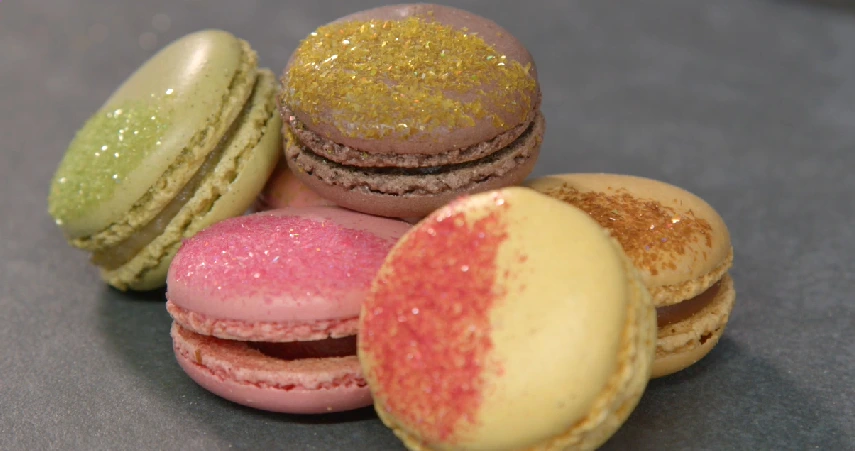
Simply sprinkle on to enhance your foods

Kim shows how you can easily enhance your food creations by using Magic Sparkles and Magic Twinkles ...
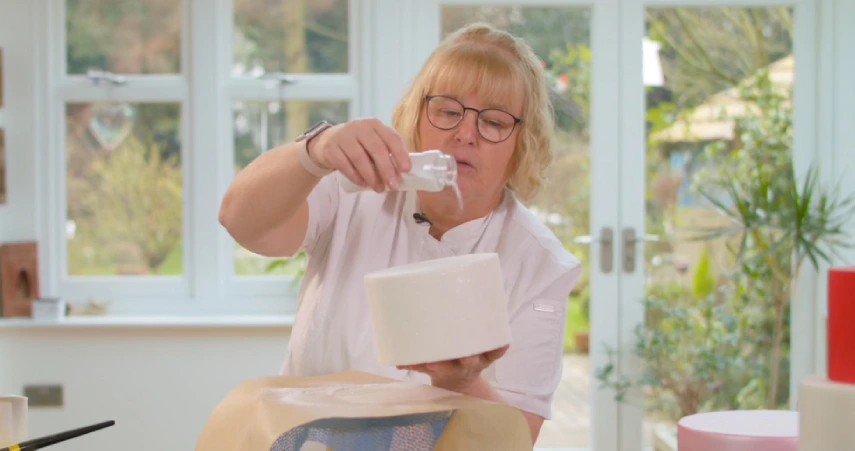
Applying to large surfaces

Expert tips by award-winning Baker, Carol Smith founder of "Cakes by Carol" In this video, Carol ...

Why Edible Glitter Fades in Humid Weather (And How to Prevent It on Cakes)

Humidity above 65% RH destabilises most sugar-based glitters within hours. The shimmer that looked perfect during decoration begins to fade, bleed, or disappear entirely — not because of a technique error, but because of atmospheric chemistry acting on the material itself. Understanding humidity-related glitter fading is the first step toward preventing it from happening again.

This is not a niche problem. Bakers in warm climates, coastal regions, and anyone working through summer months will encounter it regularly. Moisture-driven shimmer loss comes down to ingredient chemistry, and once you understand it, the solutions become much more straightforward.

Why Edible Glitter Fades In Humid Weather

Humidity-related glitter fading begins with the base ingredient. Most edible glitters are made from sugar or other hygroscopic carbohydrates, meaning they naturally attract and absorb moisture from the surrounding air. In a dry environment, this is not a problem. In a humid one, those moisture-attracting properties work against you.

When edible glitter absorbs water vapour from the air, the crystalline structure that creates the shimmer effect begins to dissolve at the surface. The particles become wet, clump together, or spread into the frosting beneath them. The prismatic refraction that produces the sparkle disappears as the crystal structure breaks down. What was once brilliant shimmer becomes a dull, flat smear.

This is why glitter applied correctly and looking perfect initially can still degrade — the issue is atmospheric conditions interacting with the ingredient chemistry, not the application itself.

Understanding Edible Glitter Humidity Problems

Edible glitter humidity problems are more nuanced than simply "water ruins glitter." The humidity threshold at which problems begin varies depending on the glitter's base ingredient, the surface it has been applied to, and the ambient temperature.

At relative humidity levels above 60 to 65 percent, many sugar-based glitters begin to show degradation. At 75 percent and above, deterioration can be rapid, sometimes within hours of application. In coastal regions or during monsoon seasons, outdoor humidity regularly exceeds these levels for days at a time.

The surface beneath the glitter also matters. Buttercream is already a soft, fat-based surface that shifts slightly in warm conditions. When humidity is added on top of temperature stress, edible glitter humidity problems compound because the glitter is now dealing with both moisture from the air and instability in the surface it is resting on.

Fondant-covered cakes face a different version of the same problem. Fondant is a sugar-based covering that absorbs humidity directly, causing it to become tacky. When fondant becomes tacky, glitter applied to it loses its crispness and can appear to dissolve into the surface rather than sitting on top of it.

How Condensation Affects Cake Decorations

Condensation on cake decorations is a specific type of humidity problem that occurs when a chilled cake is moved into a warmer environment. The cold surface of the cake causes moisture from the warmer air to condense on contact, just like a glass of cold water on a warm day.

This condensation sits directly on the surface of your decorations, including edible glitter. Even a thin layer of condensation is enough to trigger the same crystal dissolution described above, and can also cause colour bleeding where the pigments in the glitter migrate into the frosting below, leaving uneven smears rather than clean sparkle.

The problem is made worse by the fact that many bakers refrigerate cakes for stability, then transport or display them in warm venues without accounting for the temperature transition. Condensation on cake decorations is not a sign of poor technique. It is a predictable physical response that can be managed with the right approach.

Bringing a refrigerated cake to room temperature gradually in a cool, air-conditioned space rather than moving it directly from the fridge to a warm room gives condensation time to evaporate rather than pool on decoration surfaces.

Glitter Bleeding On Buttercream Explained

Glitter bleeding on buttercream is one of the most visually obvious consequences of humidity and is also one of the most frustrating because it can transform a precise decoration into something that looks accidental.

Bleeding occurs when the pigment in the glitter becomes mobile. This happens when moisture dissolves the glitter particles and the colour carried within them migrates outward into the surrounding frosting. On white or pale buttercream, even a small amount of glitter bleeding on buttercream is highly visible.

The risk is greatest with dark or highly saturated glitter colours on light buttercream backgrounds. Deep red, navy, or black glitters on white buttercream are the combinations that show bleeding most dramatically.

Preventing glitter bleeding on buttercream starts with glitter choice. Products made from maltodextrin, like Magic Sparkles, have a different crystalline structure than sugar-based alternatives. Maltodextrin is less hygroscopic than refined sugar, meaning it absorbs atmospheric moisture more slowly. This gives it better colour stability and makes bleeding significantly less likely under the same conditions.

Cake Sweating Issues In Hot Weather Baking

Cake sweating issues are related to but distinct from glitter bleeding. Sweating refers to the appearance of moisture droplets on the surface of a cake, usually caused by refrigeration followed by exposure to warm, humid air.

When a cake sweats, the moisture sits across the entire decorated surface, not just the glitter. This moisture layer affects all decorations uniformly, causing fondant to become shiny and tacky, buttercream to soften, and any glitter to begin dissolving from its surface outward.

Cake sweating issues in hot weather baking are most common at outdoor summer events, in venues without adequate air conditioning, and in tropical or subtropical climates. If you are regularly baking for events in these environments, your approach to ingredient selection and storage needs to account for sweating as a near-certainty rather than an occasional risk.

Working with moisture resistant cake decorations from the outset, choosing stable glitter products, and timing your decoration as close to serving as practically possible are the most effective responses to cake sweating issues.

Moisture-Resistant Cake Decorations That Work

Moisture resistant cake decorations are not mythical. They exist, and understanding which materials perform well in humidity helps you build a decoration toolkit that holds up under real-world conditions.

Maltodextrin-based edible glitter is the standout performer in this category. Because maltodextrin absorbs moisture more slowly than sugar, it maintains its crystalline structure and prismatic shimmer much longer under humid conditions. Magic Sparkles products are built on this foundation, giving them a meaningful performance advantage over sugar-based alternatives.

Isomalt decorations are glass-like sugar substitutes that are significantly less hygroscopic than regular sugar. They are used in professional showpiece cakes and hold up well in moderate humidity, though they are more complex to work with at home.

Fondant with added tylose powder is more humidity resistant than standard fondant. The tylose creates a firmer, more elastic structure that resists moisture absorption more effectively.

Wafer paper decorations are surprisingly humidity tolerant when kept away from direct moisture contact. They can be paired with glitter for a layered effect that holds up reasonably well in warm conditions.

Preventing Glitter From Melting On Cakes

Preventing glitter from melting on cakes requires addressing the problem from multiple angles simultaneously. No single technique is sufficient on its own.

  • Choose the right glitter: Maltodextrin-based glitters like Magic Sparkles resist humidity at a material level. This is the most fundamental step in preventing glitter from melting on cakes before you even reach the decorating stage.
  • Apply glitter as close to serving as possible: The longer glitter is exposed to ambient humidity, the more time moisture has to act on it. For events in humid climates, final glitter application on-site is the most effective approach.
  • Work in a cool, dry environment: Air conditioning during decorating reduces the ambient moisture level your glitter encounters during and immediately after application.
  • Consider a sealing layer with caution: Some bakers use a thin spray of clear edible lacquer over finished decorations. This can help with light moisture exposure but will not prevent degradation in very high humidity and can affect glitter appearance if applied unevenly.

Storage Solutions For Cakes In Humid Climates

If you are regularly dealing with cake decoration in humid climate conditions, your storage setup matters as much as your technique.

A dehumidifier in your storage space is one of the most impactful investments available to serious bakers. Keeping relative humidity below 55 percent in your storage environment significantly extends the life of glitter decorations and prevents cake sweating issues before they start.

Food-safe silica sachets placed inside cake boxes during transport absorb ambient moisture during the journey from kitchen to venue. Use sachets rated for food contact and replace them regularly for the best performance.

Avoid stacking cake boxes or placing other items on top of boxed cakes during storage in humid conditions. Restricted airflow around a boxed cake encourages moisture to build up on the surface rather than dissipating naturally.

For cakes that must be refrigerated, bring them to room temperature gradually in an air-conditioned space rather than at ambient room temperature. This slows the rate of condensation formation and gives existing condensation time to evaporate rather than pool.

Best Edible Glitter Options For Hot Weather

When it comes to edible glitter in hot weather baking, ingredient composition is everything. Not all products perform equally when conditions become challenging.

Magic Sparkles products are manufactured from food-grade maltodextrin with natural plant-based colorings and zero Titanium Dioxide. The maltodextrin crystal structure refracts light prismatically and absorbs atmospheric moisture more slowly than sugar-based alternatives, giving it a meaningful performance advantage in warm, humid conditions.

They are vegan certified, halal certified, and kosher certified, making them a reliable choice for professional bakers serving diverse client groups. For anyone regularly working through summer months or in warm climates, choosing a glitter engineered to perform under those conditions is a straightforward professional decision.

The contrast with plastic or polyester glitters labeled "non-toxic" is also worth noting. These products do not dissolve in moisture because they are not food-based. However, they are not safe to consume. For edible decoration that holds up in humidity without compromising on safety, maltodextrin-based glitter is the professional standard.

Priya, a professional cake designer in Singapore who works year-round in high humidity, made the switch to Magic Sparkles after a fondant cake for a client arrived with completely faded glitter. Her results demonstrated measurable stability in high-RH environments, with glitter maintaining structural integrity from studio to venue — a direct performance contrast to the sugar-based product it replaced.

Conclusion

Moisture-driven shimmer loss is ultimately a question of material chemistry meeting environmental conditions. Sugar absorbs moisture. Moisture dissolves crystal structures. Crystal structures are what create shimmer. So humidity, at sufficient levels, removes the shimmer entirely.

The good news is that humidity-related glitter fading is a solvable problem. Choosing glitter made from less hygroscopic materials, timing your decoration carefully, managing your storage environment, and understanding condensation all contribute to better outcomes in challenging conditions.

For commercial kitchens operating in coastal or monsoon climates, material selection is a production-level decision, not a decorative choice. Building a decoration practice that accounts for humidity from the outset means fewer surprises, more consistent results, and cakes that arrive looking exactly as intended, regardless of what the weather is doing outside.
Start with a glitter engineered to perform in challenging conditions—find out where to buy moisture-stable edible glitter.

FAQ

Why does edible glitter lose its shimmer in humid weather?

Edible glitter, particularly sugar-based varieties, is hygroscopic, meaning it absorbs moisture from the air. In humid conditions, the crystalline structure that creates prismatic shimmer dissolves as it absorbs water vapour. The result is a flat, dull surface rather than sparkle. Choosing maltodextrin-based glitters like Magic Sparkles helps because maltodextrin absorbs moisture more slowly than sugar.

Does humidity affect how edible glitter sticks to cakes?

Yes. In high humidity, the surface of buttercream or fondant can become wetter or softer, which changes how glitter sits on the cake. Glitter may sink into a softened surface or spread and bleed rather than staying crisp. Applying glitter close to serving time and working in a cool, dry environment both help prevent this.

Can edible glitter melt or fade on buttercream icing?

It can. Glitter bleeding on buttercream occurs when humidity dissolves glitter particles and their pigment migrates into the frosting. This is most visible with dark glitters on light buttercream. Using a less hygroscopic glitter and applying it in dry, cool conditions significantly reduces this risk.

How do you prevent edible glitter from dissolving in moist conditions?

Choose maltodextrin-based glitter rather than sugar-based alternatives. Apply decoration as close to serving as possible. Store cakes in a dehumidified environment below 55 percent relative humidity. Use food-safe silica sachets during transport, and bring refrigerated cakes to room temperature gradually in an air-conditioned space to manage condensation on cake decorations.What techniques help edible glitter hold up in warm, humid climates? The most effective combination is choosing the right product, timing application carefully, and controlling your environment. Maltodextrin-based glitters resist humidity at a material level. Late-stage decoration application reduces exposure time. Air conditioning during decorating and storage reduces ambient moisture. Together, these approaches make cake decoration in humid climate conditions far more reliable and predictable.

Read More >

Available In 22 Other Colours

  • Red Color Swatch

How Do I Buy?

Find Retailer here:

How much do I need?

Edible Glitter Wholesale International Shipping: Magic Sparkles Export Guide

If you are exploring Edible glitter wholesale international shipping, you are likely looking for a s...

Cake Decorating Tools: Essential Guide For Bakers (2026)

The finish on a cake tells a story before anyone takes a bite. Whether you are just beginning or ref...

High-Protein Cake Recipe For Home Bakers: Healthy, Handmade & Beautifully Decorated

If you have been searching for a high-protein cake recipe that feels indulgent yet supports your hea...

Edible Glitter Colours Bulk Order Guide For Bakeries & Cake Decorators

If you are planning your next purchase, this guide will help you make confident, cost-effective deci...

Buying Edible Glitter in Bulk: A Guide for Wholesale Bakers

Why Wholesale Bakers Buy Edible Glitter In Bulk Buying edible glitter in bulk is not just about s...

How to Fix Too Much Edible Glitter on a Cake

Why Over-Applying Edible Glitter Is a Common Mistake Knowing how to fix too much edible glitter o...

Gold vs Silver Edible Glitter: Which Colour Works Best on Different Desserts

Gold vs Silver Edible Glitter: Why The Colour Choice Matters Gold vs silver edible glitter is one...

Can You Use Edible Glitter on Savoury Food? What Actually Works

Can You Actually Use Edible Glitter on Savoury Food Yes. Edible glitter on savoury food is a real...

How to Start a Glitter Cake Business from Home: Costs, Tools and Suppliers

Why Glitter Cake Businesses Are Growing If you have been thinking about how to start a glitter ca...

Edible Glitter for Allergen-Free Baking: What to Look for on the Label

Why Allergen-Free Edible Glitter Matters for Bakers Allergen free edible glitter for baking is no...

How to Use Edible Glitter on Fresh Fruit Without Moisture Damage

Knowing how to use edible glitter on fresh fruit is one of those skills that looks deceptively simpl...

Beyond the Sparkle: Magic Sparkles Making Truly Safe Edible Glitter for Everyone

When you pick up a jar of glitter from a baking supply shop, how do you know it is actually safe to ...

How to Create Homemade Natural Edible Glitter With Simple Ingredients

Homemade edible glitter is one of those ideas that sounds complicated but is actually very approacha...

Why Edible Glitter Fades in Humid Weather (And How to Prevent It on Cakes)

Humidity above 65% RH destabilises most sugar-based glitters within hours. The shimmer that looked p...

Kids Birthday Cake Design Ideas Using Edible Glitter

There is a moment at every kid's birthday party when the cake comes out and the room goes quiet for ...

How To Keep Cake Decorations From Melting in Warm Environments

You have spent hours on a cake. The buttercream is smooth, the glitter is perfect, the fondant detai...

Using Edible Glitter on Donuts: A Step-by-Step Guide

If you have ever scrolled past a tray of shimmering, prismatic donuts and thought "how did they do t...

101: Your Guide To Magic Sparkles Edible Glitter

If you have ever stood in a baking supply aisle staring at jars of glitter wondering which one is ac...

15 Unique Ways to Use Edible Glitter In the Kitchen and Beyond

Edible glitter has transformed how we think about food presentation. It is no longer reserved for sp...

Minimalist Cake Decoration Trends to Try Now

There is something quietly powerful about restraint. In a world where maximalism once ruled, today's...

Mica vs. Cellulose vs. Plant-Based Flakes: The Truth About Edible Glitter

Most people just grab whatever glitter looks prettiest on the shelf. And that is a problem. No...

5 Stunning Ways To Make Cupcakes Sparkle Using Edible Glitter

You want to know how to make cupcakes sparkle. Not a subtle hint of shimmer. Not 'kind of glitter...

How to Use Edible Glitter in Mocktails: Dos, Don’ts & Safety Tips

Why Edible Glitter Is Transforming the Mocktail Experience You served a drink. And the table w...

Sustainable Bakery Practices: The Complete Guide to Zero-Waste Baking

Sustainable bakery practices are no longer a nice-to-have. They are what your customers are start...

10 Instagram-Worthy Cake Designs Using Magic Sparkles Edible Glitter

You've seen those cakes. The ones that stop your thumb mid-scroll. Shimmering. Prismatic. Impossi...

Cake Decorating 101: FAQs Every Baker Should Know

What Is Cake Decorating and Why Learn the Basics? You really need to hear this. Because honest...

Luxury Cake Design Trends 2026: Silver Renaissance and Architectural Majesty

Luxury cake design trends are changing fast in 2026. And honestly? If you are still working off 2...

Synthetic Colours vs Natural Colours in Edible Decorations: What Bakers Should Know

You're standing in front of your baking supplies trying to figure out which food colouring to use. ...

What Is Edible Glitter Made Of? A Complete Guide to Sparkly, Safe Cake Decorations

When you're decorating a birthday cake or adding shimmer to holiday cookies, you've probably wondere...

Edible Glitter vs Luster Dust: Which to Use for Cakes, Cookies, and Cocktails.

When you're reaching for bakery decorating supplies to add shimmer to your latest creation, the choi...

How to Store & Preserve Edible Glitter for Best Results

You've invested in premium edible glitter to create stunning cakes and desserts, but are you storing...

Best Halal and Kosher Certified Glitters for Commercial Bakeries

Running a commercial bakery means serving diverse communities with different dietary requirements. W...

Edible vs. Non-Toxic: Is Your Cake Glitter Actually Safe to Eat?

When you sprinkle sparkle onto a birthday cake, you assume it's safe to eat. But the glitter sitting...

Is Your Glitter Legal? A 2025 Guide to E171 and Clean Label Compliance

If you've been using the same edible glitter for years without checking ingredient labels lately, yo...

Why Coverage Matters More Than Cost Per Kilo in Bakery Ingredients

When comparing suppliers for your bakery, the cheapest cost per kilo bakery ingredients might seem l...

How to Apply Edible Glitter to Buttercream, Fondant, and Chocolate: A Professional Guide

Knowing the right application techniques transforms amateur-looking cakes into stunning professional...

No E171 in our Magic Sparkles

Sarah Hadland sparked controversy a decade ago on The Great British Bake-Off when she pointed out ...

How “edible” is your food glitter?

There’s a special occasion coming up: a birthday, a wedding or an anniversary and you’re plannin...

Simply sprinkle on to enhance your foods

Kim shows how you can easily enhance your food creations by using Magic Sparkles and Magic Twinkles ...

Applying to large surfaces

Expert tips by award-winning Baker, Carol Smith founder of "Cakes by Carol" In this video, Carol ...

Kids Birthday Cake Design Ideas Using Edible Glitter

There is a moment at every kid's birthday party when the cake comes out and the room goes quiet for just a second before the cheering starts. If you want to be responsible for that moment, this guide to kids birthday cake decoration ideas is exactly what you need. Edible glitter has completely transformed what is possible for home bakers and parents who want something truly show-stopping without needing professional training.

The best part? When you use truly edible glitter, every sparkle on that cake is completely safe for children to eat. No plastics, no synthetic additives, no worrying about what ends up in small mouths. Just beautiful, shimmering food that tastes as good as it looks.

These cake styling ideas range from simple techniques you can pull off in under an hour to more elaborate designs that will genuinely stop the room.

Why Edible Glitter Is Perfect For Kids Birthday Cakes

Kids and sparkle are a natural combination. Whether a child is obsessed with fairies, dinosaurs, superheroes, or space, edible glitter can be woven into virtually any theme in a way that feels magical and personalised. It catches light beautifully under party lighting, photographs brilliantly, and creates that gasp-worthy visual impact that makes a birthday cake feel genuinely special.

Beyond the visual appeal, truly edible glitter is one of the safest decoration options available. Magic Sparkles products are made from maltodextrin, a food-grade carbohydrate that dissolves in the stomach and metabolises like any other food. There are no plastics, no Titanium Dioxide (E171), and no synthetic additives. They are vegan certified, halal certified, and kosher certified. For parents who care deeply about what their children consume, that level of transparency is genuinely reassuring.

Top Kids Birthday Cake Decoration Ideas Using Edible Glitter

Edible vs Non-Edible Glitter: What Every Baker Needs to Know

Before exploring specific birthday cake designs, it is worth understanding the single most important distinction in cake decorating: the difference between truly edible glitter and everything else.

Truly edible glitter is made from food-grade maltodextrin, a plant-derived carbohydrate that dissolves completely in the digestive system and metabolises like any other food. It carries no plastics, no Titanium Dioxide (E171), and no synthetic additives. Magic Sparkles products fall firmly into this category — manufactured under SALSA approval in Nuneaton, UK, and certified vegan, halal, and kosher.

Decorative "non-toxic" glitters, by contrast, are typically made from polyester or mica — materials the body cannot break down. The "non-toxic" label means only that they will not cause immediate harm, not that they are safe for regular consumption. These should never be used on food served to children.

The distinction matters enormously. Always verify that your glitter is certified as truly edible before using it on any cake.

Glitter Birthday Cake Ideas For Boys And Girls

One of the most common search paths parents take when planning a birthday is looking for glitter birthday cake ideas that feel right for their child's personality. The good news is that edible glitter is one of the most versatile decoration tools available.

For girls who love everything shimmery: A white or pale pink buttercream base scattered with Rose Quartz or White Crystal Magic Sparkles is simple, beautiful, and timeless. Layer two glitter shades for depth, or use a large flake glitter for the sides and a finer shimmer on top.

For boys who want something bold: Gold and silver edible glitter over a dark navy or deep green buttercream looks genuinely spectacular. These are also great colours for superhero, space, or adventure themes where you want drama rather than sweetness.

For children who want both: A galaxy-themed cake using deep purple, midnight blue, and black buttercream, scattered with silver and holographic glitter, is one of the most stunning birthday cake designs available and works beautifully regardless of whether a child skews toward "boy" or "girl" aesthetics.

Cartoon Theme Cake Decoration With Sparkle

Cartoon theme cake decoration is one of the most requested styles for children's birthday cakes, and edible glitter integrates beautifully into almost every popular theme.

Unicorn cakes: The unicorn theme practically demands glitter. A white or pastel buttercream base with Rose Quartz, Gold, and White Crystal edible glitter creates that magical, holographic shimmer that makes unicorn cakes so iconic. Add a fondant horn dusted with gold edible lustre for the full effect.

Paw Patrol and superhero themes: Bold primary colours on a buttercream base, with a light scatter of gold or silver edible glitter over the whole surface, adds dimension and professionalism to what could otherwise be a flat-looking cake. Glitter also makes fondant character decorations look more polished.

Princess and fairy themes: A cascade of fine edible sparkle powder falling from the top tier down the sides of a tiered cake is one of the most beautiful techniques for princess birthday cake decoration. It looks elaborate but is actually very simple to achieve.

Dinosaur and adventure themes: Textured green buttercream to mimic grass or jungle foliage, with a subtle scatter of gold glitter as "treasure," adds a detail that children absolutely love. It is unexpected within the theme and makes the cake feel personalised.

DIY Kids Birthday Cake Designs At Home

You do not need a professional cake decorating setup to create something genuinely impressive. These DIY birthday cake designs use simple techniques that any parent can master.

The scatter method: This is the most accessible of all the cake styling ideas. Ice your cake with freshly made buttercream, then use a spoon to scatter edible glitter from about 20 centimetres above the surface. The height helps create an even, natural distribution. Let it settle and you are done.

The ombre glitter fade: Apply your buttercream in two shades, one darker at the base and one lighter at the top. While the buttercream is still fresh and tacky, apply glitter heavily at the top and fade it down toward the middle. The result looks far more complex than the technique actually is.

The glitter drip cake: Make a simple ganache drip in white or coloured chocolate. While the drips are still wet, dust edible sparkle powder along each drip. As the ganache sets, the glitter is captured in place and creates a stunning waterfall of shimmer down the sides.

Sarah Bell, a professional cake decorator and competition judge, notes that edible glitter has become a staple tool across the industry precisely because of its versatility: "The scatter method gives home bakers a professional finish with almost no technical skill required. The key is using a quality product — the coverage and shimmer you get from a maltodextrin-based glitter simply cannot be replicated with cheaper alternatives."

Colourful Cake Decorating Ideas Children Love

Children respond to colour in a way adults often forget. These colourful cake decorating ideas use edible glitter to amplify bold colour choices in ways that children find completely irresistible.

Rainbow layers with glitter between tiers: Divide your buttercream into five colours and ice each tier a different shade. Apply a complementary glitter colour to each tier before the buttercream sets. The visual impact when the cake is cut and the rainbow layers are revealed is extraordinary.

Neon buttercream with holographic glitter: Hot pink, electric blue, or lime green buttercream paired with holographic or prismatic edible glitter has a vibrancy that photographs beautifully and looks thrilling in person.

Confetti and glitter combination: Mix edible confetti sprinkles into your buttercream before applying and scatter edible glitter on top. The combination of texture and sparkle creates a genuinely festive, celebratory look.

Watercolour effect with glitter: Apply patches of different gel food colours over a white buttercream base with a palette knife, blend softly at the edges, then scatter fine edible glitter across the whole surface. The result looks artistic and intentional.

Sparkle Cake Design For Fantasy Themes

Fantasy themes give you complete creative freedom, and a sparkle cake design is the most natural fit for this category of birthday cake designs.

Mermaids, dragons, fairies, enchanted forests, and underwater worlds all lend themselves to high-glitter aesthetics. For a mermaid cake, use teal and seafoam green buttercream with Blue and Rose Quartz edible glitter. For an enchanted forest, deep green textured buttercream with gold glitter scattered across the top like falling light through trees creates something genuinely magical.

Tiered cakes for fantasy themes look spectacular when each tier carries a slightly different glitter shade, creating a gradient of colour and shimmer from base to top. This technique works especially well for milestone birthdays, a fifth, seventh, or tenth birthday where the family wants something truly unforgettable.

Themed Birthday Cake Decoration Trends

Themed birthday cake decoration has evolved significantly over the last few years. These are the styles showing up most frequently in 2025.

Maximalist glitter cakes: More is more. Full coverage glitter, multiple shades, edible pearls, and fondant decorations all working together. These cakes are designed for social media and they deliver.

Minimalist sparkle: A nearly naked cake with just a light dusting of gold or silver edible glitter and fresh fruit. Elegant, modern, and genuinely beautiful. Popular for children who have older siblings with sophisticated taste influencing party aesthetics.

Character face cakes: A sculpted buttercream or fondant character face with edible glitter highlights on the eyes or hair details. Think Elsa from Frozen, or a favourite anime character. The glitter adds a dimension that fondant alone cannot.

Personalised glitter colour: Matching the glitter shade to a specific colour in the party theme. If the birthday child loves a particular shade of purple, finding a matching edible glitter and using it consistently across the cake and cupcakes creates a cohesive, intentional look.

Safe Edible Glitter Options For Kids Cakes

Safety is not a secondary concern when it comes to edible glitter cake for kids. It is the primary one. Here is what to look for when choosing products.

Truly food-grade glitter made from maltodextrin is the only option that should be on a child's birthday cake. Magic Sparkles products are manufactured under SALSA approval in Nuneaton, UK, and carry vegan, halal, and kosher certifications.

Always check that your edible glitter is E171-free. Titanium Dioxide was banned in the EU in 2022 for safety reasons. UK regulation is expected to follow. Any product still containing E171 is one you want to avoid for children's cakes.

Budget-Friendly Cake Decorating Tips For Parents

You do not have to spend a fortune to create something spectacular. These practical tips make cake styling ideas achievable on any budget.

Buy by yield, not by price: Magic Sparkles' lightweight composition means 1kg covers five times the surface area of denser competitor products. A higher per-pot price often means a significantly lower cost in use per cake.

Use a simple cake base: A single-tier buttercream cake decorated brilliantly with edible glitter looks more impressive than a poorly executed tiered cake. Invest your effort in the decoration, not the structure.

Make fondant decorations at home: Fondant character toppers and shapes are easy to make with basic moulds and cutters. Dust them with edible glitter and they look professional without the professional price tag.

Batch your glitter application: If you are making cupcakes alongside the main cake, glitter all surfaces in one session while everything is freshly iced. This is efficient and ensures a consistent look across the whole dessert table.

Conclusion

Kids' birthday cake decoration ideas have never been more exciting or more accessible. Edible glitter gives parents and home bakers the ability to create genuinely magical results without professional training, expensive equipment, or complicated techniques. The scatter method alone can transform a simple frosted cake into something a child will remember.

What matters most in all of these cake styling ideas is using products you can feel completely confident about. Truly edible glitter made from natural, food-grade ingredients means every shimmer on that cake is safe for every child at the table. That peace of mind is the foundation everything else is built on.

Pick your theme, choose your colours, and make some magic. Magic Sparkles is trusted by artisan bakers, professional cake decorators, and food brands globally because when it comes to what goes on a child's cake, only truly edible ingredients belong there.
Ready to make some magic? Find out where to buy edible glitter for kids cakes that is certified safe for everyone at the table.

FAQ

What are popular kids birthday cake ideas using edible glitter?

Popular choices include unicorn cakes with pastel glitter, galaxy cakes with silver and holographic shimmer, princess cakes with cascading edible sparkle powder, and superhero cakes with bold gold or silver glitter over dark buttercream. Cartoon theme cake decoration with glitter highlights is also hugely popular for character birthdays.

Is edible glitter safe to use on cakes for children?

Truly edible glitter made from food-grade maltodextrin is completely safe for children. It dissolves in the stomach and metabolises like any other food. The key distinction is between genuinely edible products and "non-toxic" glitters made from polyester or plastic, which should never be used on food served to children.

How much edible glitter should you use on a kids cake?

Less than you think. Truly edible glitter, particularly Magic Sparkles products, has exceptional coverage due to its lightweight maltodextrin composition. Start with a small amount, scatter from a height for even distribution, and build up gradually. A little goes a very long way.

Can edible glitter be paired with cartoon or theme designs?

Absolutely. Edible glitter works beautifully alongside fondant character decorations, themed buttercream designs, and printed edible images. It adds dimension and sparkle that makes every element of a themed birthday cake decoration look more polished and intentional.

Is there a difference between edible and non-edible glitter on kids cakes?

Yes, and it is significant. Edible glitter is made from food-grade ingredients and is designed to be consumed. Non-edible or "non-toxic" glitters are typically made from polyester or plastic and pass through the digestive system without breaking down. They should never be used on food served to children. Always check that your glitter is certified as truly edible before using it on any cake.

Read More >

Available In 22 Other Colours

  • Red Color Swatch

How Do I Buy?

Find Retailer here:

How much do I need?

Edible Glitter Wholesale International Shipping: Magic Sparkles Export Guide

If you are exploring Edible glitter wholesale international shipping, you are likely looking for a s...

Cake Decorating Tools: Essential Guide For Bakers (2026)

The finish on a cake tells a story before anyone takes a bite. Whether you are just beginning or ref...

High-Protein Cake Recipe For Home Bakers: Healthy, Handmade & Beautifully Decorated

If you have been searching for a high-protein cake recipe that feels indulgent yet supports your hea...

Edible Glitter Colours Bulk Order Guide For Bakeries & Cake Decorators

If you are planning your next purchase, this guide will help you make confident, cost-effective deci...

Buying Edible Glitter in Bulk: A Guide for Wholesale Bakers

Why Wholesale Bakers Buy Edible Glitter In Bulk Buying edible glitter in bulk is not just about s...

How to Fix Too Much Edible Glitter on a Cake

Why Over-Applying Edible Glitter Is a Common Mistake Knowing how to fix too much edible glitter o...

Gold vs Silver Edible Glitter: Which Colour Works Best on Different Desserts

Gold vs Silver Edible Glitter: Why The Colour Choice Matters Gold vs silver edible glitter is one...

Can You Use Edible Glitter on Savoury Food? What Actually Works

Can You Actually Use Edible Glitter on Savoury Food Yes. Edible glitter on savoury food is a real...

How to Start a Glitter Cake Business from Home: Costs, Tools and Suppliers

Why Glitter Cake Businesses Are Growing If you have been thinking about how to start a glitter ca...

Edible Glitter for Allergen-Free Baking: What to Look for on the Label

Why Allergen-Free Edible Glitter Matters for Bakers Allergen free edible glitter for baking is no...

How to Use Edible Glitter on Fresh Fruit Without Moisture Damage

Knowing how to use edible glitter on fresh fruit is one of those skills that looks deceptively simpl...

Beyond the Sparkle: Magic Sparkles Making Truly Safe Edible Glitter for Everyone

When you pick up a jar of glitter from a baking supply shop, how do you know it is actually safe to ...

How to Create Homemade Natural Edible Glitter With Simple Ingredients

Homemade edible glitter is one of those ideas that sounds complicated but is actually very approacha...

Why Edible Glitter Fades in Humid Weather (And How to Prevent It on Cakes)

Humidity above 65% RH destabilises most sugar-based glitters within hours. The shimmer that looked p...

Kids Birthday Cake Design Ideas Using Edible Glitter

There is a moment at every kid's birthday party when the cake comes out and the room goes quiet for ...

How To Keep Cake Decorations From Melting in Warm Environments

You have spent hours on a cake. The buttercream is smooth, the glitter is perfect, the fondant detai...

Using Edible Glitter on Donuts: A Step-by-Step Guide

If you have ever scrolled past a tray of shimmering, prismatic donuts and thought "how did they do t...

101: Your Guide To Magic Sparkles Edible Glitter

If you have ever stood in a baking supply aisle staring at jars of glitter wondering which one is ac...

15 Unique Ways to Use Edible Glitter In the Kitchen and Beyond

Edible glitter has transformed how we think about food presentation. It is no longer reserved for sp...

Minimalist Cake Decoration Trends to Try Now

There is something quietly powerful about restraint. In a world where maximalism once ruled, today's...

Mica vs. Cellulose vs. Plant-Based Flakes: The Truth About Edible Glitter

Most people just grab whatever glitter looks prettiest on the shelf. And that is a problem. No...

5 Stunning Ways To Make Cupcakes Sparkle Using Edible Glitter

You want to know how to make cupcakes sparkle. Not a subtle hint of shimmer. Not 'kind of glitter...

How to Use Edible Glitter in Mocktails: Dos, Don’ts & Safety Tips

Why Edible Glitter Is Transforming the Mocktail Experience You served a drink. And the table w...

Sustainable Bakery Practices: The Complete Guide to Zero-Waste Baking

Sustainable bakery practices are no longer a nice-to-have. They are what your customers are start...

10 Instagram-Worthy Cake Designs Using Magic Sparkles Edible Glitter

You've seen those cakes. The ones that stop your thumb mid-scroll. Shimmering. Prismatic. Impossi...

Cake Decorating 101: FAQs Every Baker Should Know

What Is Cake Decorating and Why Learn the Basics? You really need to hear this. Because honest...

Luxury Cake Design Trends 2026: Silver Renaissance and Architectural Majesty

Luxury cake design trends are changing fast in 2026. And honestly? If you are still working off 2...

Synthetic Colours vs Natural Colours in Edible Decorations: What Bakers Should Know

You're standing in front of your baking supplies trying to figure out which food colouring to use. ...

What Is Edible Glitter Made Of? A Complete Guide to Sparkly, Safe Cake Decorations

When you're decorating a birthday cake or adding shimmer to holiday cookies, you've probably wondere...

Edible Glitter vs Luster Dust: Which to Use for Cakes, Cookies, and Cocktails.

When you're reaching for bakery decorating supplies to add shimmer to your latest creation, the choi...

How to Store & Preserve Edible Glitter for Best Results

You've invested in premium edible glitter to create stunning cakes and desserts, but are you storing...

Best Halal and Kosher Certified Glitters for Commercial Bakeries

Running a commercial bakery means serving diverse communities with different dietary requirements. W...

Edible vs. Non-Toxic: Is Your Cake Glitter Actually Safe to Eat?

When you sprinkle sparkle onto a birthday cake, you assume it's safe to eat. But the glitter sitting...

Is Your Glitter Legal? A 2025 Guide to E171 and Clean Label Compliance

If you've been using the same edible glitter for years without checking ingredient labels lately, yo...

Why Coverage Matters More Than Cost Per Kilo in Bakery Ingredients

When comparing suppliers for your bakery, the cheapest cost per kilo bakery ingredients might seem l...

How to Apply Edible Glitter to Buttercream, Fondant, and Chocolate: A Professional Guide

Knowing the right application techniques transforms amateur-looking cakes into stunning professional...

No E171 in our Magic Sparkles

Sarah Hadland sparked controversy a decade ago on The Great British Bake-Off when she pointed out ...

How “edible” is your food glitter?

There’s a special occasion coming up: a birthday, a wedding or an anniversary and you’re plannin...

Simply sprinkle on to enhance your foods

Kim shows how you can easily enhance your food creations by using Magic Sparkles and Magic Twinkles ...

Applying to large surfaces

Expert tips by award-winning Baker, Carol Smith founder of "Cakes by Carol" In this video, Carol ...

How To Keep Cake Decorations From Melting in Warm Environments

You have spent hours on a cake. The buttercream is smooth, the glitter is perfect, the fondant details are exactly right. Then the weather turns warm and your creation starts slowly losing the battle. If you are trying to figure out how to keep cake decorations from melting, you are dealing with one of the most frustrating challenges in baking. And it happens to professionals just as often as it happens to home bakers.

The good news is that this is largely a question of understanding what causes the problem in the first place, and then making intentional choices about your ingredients, your environment, and your storage approach. This guide covers all of it, practically and clearly.

Why Cake Decorations Melt In Warm Weather

Heat and moisture are the two primary enemies of a decorated cake. Understanding how each one works helps you counter them more effectively.

Buttercream is fat-based. The moment temperatures rise above around 20 to 22 degrees Celsius, the butter in your buttercream begins to soften. At 25 degrees and above, it can lose structural integrity entirely and start to slide or collapse. This is especially problematic for piped details, flowers, and any element that relies on the buttercream holding its shape.

Fondant behaves differently. It is primarily sugar and gelatin, and its enemy is moisture rather than heat alone. In a humid environment, fondant absorbs water from the air and becomes sticky, soft, and prone to collapsing or developing an unpleasant sweating appearance. Cake humidity problems are particularly common in summer months or in kitchens where cooking is happening simultaneously.

Edible glitter, on the other hand, behaves remarkably well in warm conditions when it is made from the right ingredients. Magic Sparkles products are made from maltodextrin, a carbohydrate that does not melt or run like sugar-based products. Their prismatic shimmer stays intact even in warmer environments, which is one of the reasons they are increasingly popular with professional bakers working in outdoor settings or warm venues.

How to Keep Cake Decorations From Melting: The Science

To prevent cake decorations from melting, you need to understand what each material responds to and address those sensitivities directly.

Buttercream softens because the fat content reaches its melting point. Butter has a relatively low slip point, typically between 28 and 33 degrees Celsius depending on its water activity and fat composition — which is why even modest ambient warmth causes visible softening. The solution is either to use a recipe with a higher melting point fat, to adjust the ratio of fat to sugar, or to stabilise the buttercream with meringue or additional structure.

Fondant collapses because it absorbs moisture. The solution is to minimise the fondant's exposure to humid air and to ensure the cake beneath it is properly chilled and dry before the fondant is applied.

Sugar decorations and edible flowers dissolve because sugar is hygroscopic. It pulls moisture from the air and dissolves itself in the process. The solution is to minimise exposure time and to avoid refrigerating sugar decorations if condensation is a risk.

Every material has a weakness. Knowing yours means you can address the problem before it becomes an emergency.

Buttercream Melting Solutions That Work

Buttercream melting solution starts at the recipe stage. Here are the most effective approaches.

Switch to Swiss or Italian meringue buttercream: These buttercreams have a higher ratio of cooked egg white to butter, which gives them better structural stability at room temperature than a standard American buttercream. They are also silkier and less sweet, which many people prefer.

Add a small amount of vegetable shortening: Replacing 20 to 30 percent of the butter with high-ratio shortening raises the melting point of your buttercream. The result is a frosting that holds its shape more reliably in warm conditions without sacrificing too much flavour.

Chill your layers: After crumb coating your cake, refrigerate it for at least 30 minutes before applying the final buttercream layer. A cold base helps the outer layer hold its shape longer when the cake is at room temperature.

Avoid over-beating: Buttercream that has been over-whipped incorporates too much air and becomes less stable. Beat until just combined and smooth for the most heat-resilient result.

In commercial bakery operations, a standard quality-control protocol for warm-weather deliveries involves chilling finished buttercream cakes for a minimum of two hours before dispatch. The cold thermal mass slows the rate at which the outer surface reaches ambient temperature, buying several hours of decoration stability even in challenging conditions.

Fondant Melting Prevention Techniques

Fondant melting prevention is primarily about moisture management rather than temperature control. These techniques make a measurable difference.

Apply fondant to a chilled, dry cake: A warm or wet cake surface under fondant creates steam that causes the fondant to sweat and soften from the inside out. Always chill your cake with a crumb coat of buttercream, let it dry slightly, and then apply your fondant.

Use a thin layer of shortening rather than water: Many bakers brush water or alcohol onto their buttercream to help fondant adhere. Shortening is a better option in warm or humid conditions because it does not add moisture to the surface.

Avoid refrigerating fondant-covered cakes if possible: When a fondant cake comes out of the fridge, condensation forms on the surface as it warms up. This moisture causes the fondant to go sticky and shiny. If refrigeration is necessary, bring the cake to room temperature in a room with air conditioning to slow condensation.

Use tylose powder in your fondant: Adding a small amount of tylose (carboxymethyl cellulose) to your fondant gives it a firmer, more elastic texture that resists humidity better than standard fondant.

Managing Cake Decoration In Hot Weather

Cake decoration in hot weather requires planning beyond just the recipe itself. Your workflow and environment matter as much as your ingredients.

Work in the coolest part of the day. If you are decorating in summer, early morning is almost always preferable to the afternoon. Kitchen temperatures can rise significantly by midday, especially when the oven has been in use.

Keep your workspace cool. Air conditioning is ideal, but if it is not available, a fan directed at the work surface and a bowl of iced water nearby can help manage ambient temperature during decoration.

Decorate as close to the event as possible. The longer a cake sits decorated at room temperature, the more opportunities heat and humidity have to cause problems. Where possible, complete final decorations the morning of the event rather than the day before.

For outdoor events specifically, identify a shaded area for the cake display and arrange for it to be brought out as late as practically possible before serving. Cake decoration in hot weather is manageable, but it rewards careful planning.

Handling Cake Humidity Problems Effectively

Cake humidity problems are often more damaging than heat alone, and they can occur even in mild temperatures if the air is particularly damp.

A dehumidifier in your work and storage space makes a significant difference if you bake regularly in a humid climate or during the summer months. This single investment reduces fondant sweating, prevents sugar decorations from dissolving, and keeps buttercream firmer longer.

Silica gel sachets placed in the cake box during transport absorb ambient moisture and protect the cake during the journey from your kitchen to the venue. Use food-safe silica sachets to ensure there is no contamination risk.

Avoid stacking decorated cakes or boxing them too tightly. When air cannot circulate around a boxed cake, humidity from the cake itself has nowhere to go and collects on the surface. A box that is slightly larger than the cake allows for airflow and reduces moisture buildup.

Bakery Storage Tips For Decorated Cakes

These bakery storage tips apply whether you are a professional running a cake business or a home baker preparing for a weekend event.

Dedicated refrigeration: If possible, store decorated cakes in a refrigerator that is not being opened and closed frequently for other food preparation. Every time a refrigerator door opens, the internal temperature and humidity fluctuate, and that fluctuation affects your cake.

Use a cake box, not cling film: Wrapping a decorated cake in cling film traps moisture against the surface and can cause condensation damage. A properly sized cardboard cake box allows the surface to breathe while still providing protection.

Keep cakes away from strong-smelling foods: Cakes absorb odours from their surroundings. A refrigerator that also stores fish or strong cheese is not ideal storage for a delicately flavoured cake.

Label your storage time: Decorated cakes should generally be consumed within two to three days of decorating for the best quality. Labeling when the cake was finished helps you manage this without guessing.

How To Store Decorated Cakes Before Events

Knowing how to store decorated cakes in the period between completion and serving makes a meaningful difference to the final result your guests experience.

For buttercream cakes, refrigeration is your best option. Store in a cake box to prevent the surface from absorbing fridge odours or condensation from other items. Remove from the refrigerator one to two hours before serving so the cake comes to room temperature gradually and the buttercream softens naturally to a pleasant eating texture.

For fondant cakes, room temperature storage in a cool, dry environment is preferable to refrigeration if the cake will be consumed within 24 hours. If it needs to be stored longer, refrigerate with care and allow adequate time to come back to room temperature before display.

For cakes decorated with edible glitter, there is good news. Truly edible glitter made from maltodextrin, like Magic Sparkles, is stable across both temperature and humidity ranges that would cause other decorations to deteriorate. It does not run, melt, or dissolve from the cake surface the way sugar-based decorations can. This makes it one of the most reliable decoration elements you can choose if you know your cake will face warm or humid conditions.

Ingredients That Improve Heat Stability

Certain ingredients improve heat stability significantly when incorporated at the recipe stage.

High-ratio shortening in buttercream raises the fat melting point and produces a more stable frosting in warm conditions.

Tylose powder added to fondant increases elasticity and humidity resistance considerably.

Cream cheese added to buttercream at a small ratio increases density and helps the frosting hold its shape longer, though it also reduces the shelf life slightly.

Maltodextrin-based glitters like Magic Sparkles are inherently more heat and humidity stable than alternatives. If you are concerned about decoration integrity in warm environments, choosing edible glitter as a key decorative element is a genuinely practical decision, not just an aesthetic one.

Conclusion

Learning how to keep cake decorations from melting is not about finding one magic solution. It is about understanding your materials, adapting your recipes, managing your environment, and planning your workflow so that everything works together. Every technique in this guide addresses a specific vulnerability in a specific material.

The bakers who handle warm-weather events most successfully are the ones who have thought through the problem before the event day arrives, not during it. Preparation, good ingredients, and proper storage are the three things that make the difference between a cake that arrives looking exactly as intended and one that has spent the journey becoming something else entirely.

Plan, choose stable ingredients, and store your cakes with care. That is how it is done. For the decoration layer itself, Magic Sparkles is the performance-driven choice—a maltodextrin-based edible glitter engineered for heat and humidity stability and trusted by professional bakers who cannot afford to compromise on the finish.

Choose a heat and humidity-stable decoration from the start—find out where to buy edible glitter built for real baking conditions.

FAQ

Why do cake decorations melt in warm weather?

Most cake decorations are fat-based or sugar-based, and both are sensitive to heat and humidity. Buttercream softens when temperatures exceed around 20 to 22 degrees Celsius because the fat content begins to melt. Fondant absorbs moisture from warm, humid air and becomes sticky and unstable. Understanding which material is reacting to which condition helps you target the right solution.

Can edible glitter melt off a cake in heat and humidity?

Truly edible glitter made from maltodextrin, like Magic Sparkles, is significantly more stable in heat and humidity than sugar-based decorations. It does not run, dissolve, or slide off a cake surface the way some other decorations can. This makes it a particularly reliable choice for cakes destined for warm or outdoor environments.

How do you protect buttercream and fondant from melting?

For buttercream, switch to Swiss or Italian meringue buttercream, add a small proportion of high-ratio shortening, and always chill your cake before delivery. For fondant, apply it over a chilled, dry crumb coat, avoid refrigerating if possible, and add tylose powder for improved humidity resistance.

What storage tips can prevent cake decorations from sagging?

Store decorated cakes in a cake box rather than cling film to allow airflow. Use dedicated refrigeration that is not opened frequently. Keep cakes away from strong-smelling foods. For fondant cakes, prefer cool, dry room temperature storage over refrigeration where the timeline allows.

Are there heat-resistant edible glitters for warm conditions?

Yes. Edible glitters made from maltodextrin are inherently more heat-stable than alternatives. Magic Sparkles products are manufactured from food-grade maltodextrin with natural plant-based colorings and no synthetic additives, giving them better performance in warm and humid conditions compared to sugar-based or plastic-based alternatives.

Read More >

Available In 22 Other Colours

  • Red Color Swatch

How Do I Buy?

Find Retailer here:

How much do I need?

Edible Glitter Wholesale International Shipping: Magic Sparkles Export Guide

If you are exploring Edible glitter wholesale international shipping, you are likely looking for a s...

Cake Decorating Tools: Essential Guide For Bakers (2026)

The finish on a cake tells a story before anyone takes a bite. Whether you are just beginning or ref...

High-Protein Cake Recipe For Home Bakers: Healthy, Handmade & Beautifully Decorated

If you have been searching for a high-protein cake recipe that feels indulgent yet supports your hea...

Edible Glitter Colours Bulk Order Guide For Bakeries & Cake Decorators

If you are planning your next purchase, this guide will help you make confident, cost-effective deci...

Buying Edible Glitter in Bulk: A Guide for Wholesale Bakers

Why Wholesale Bakers Buy Edible Glitter In Bulk Buying edible glitter in bulk is not just about s...

How to Fix Too Much Edible Glitter on a Cake

Why Over-Applying Edible Glitter Is a Common Mistake Knowing how to fix too much edible glitter o...

Gold vs Silver Edible Glitter: Which Colour Works Best on Different Desserts

Gold vs Silver Edible Glitter: Why The Colour Choice Matters Gold vs silver edible glitter is one...

Can You Use Edible Glitter on Savoury Food? What Actually Works

Can You Actually Use Edible Glitter on Savoury Food Yes. Edible glitter on savoury food is a real...

How to Start a Glitter Cake Business from Home: Costs, Tools and Suppliers

Why Glitter Cake Businesses Are Growing If you have been thinking about how to start a glitter ca...

Edible Glitter for Allergen-Free Baking: What to Look for on the Label

Why Allergen-Free Edible Glitter Matters for Bakers Allergen free edible glitter for baking is no...

How to Use Edible Glitter on Fresh Fruit Without Moisture Damage

Knowing how to use edible glitter on fresh fruit is one of those skills that looks deceptively simpl...

Beyond the Sparkle: Magic Sparkles Making Truly Safe Edible Glitter for Everyone

When you pick up a jar of glitter from a baking supply shop, how do you know it is actually safe to ...

How to Create Homemade Natural Edible Glitter With Simple Ingredients

Homemade edible glitter is one of those ideas that sounds complicated but is actually very approacha...

Why Edible Glitter Fades in Humid Weather (And How to Prevent It on Cakes)

Humidity above 65% RH destabilises most sugar-based glitters within hours. The shimmer that looked p...

Kids Birthday Cake Design Ideas Using Edible Glitter

There is a moment at every kid's birthday party when the cake comes out and the room goes quiet for ...

How To Keep Cake Decorations From Melting in Warm Environments

You have spent hours on a cake. The buttercream is smooth, the glitter is perfect, the fondant detai...

Using Edible Glitter on Donuts: A Step-by-Step Guide

If you have ever scrolled past a tray of shimmering, prismatic donuts and thought "how did they do t...

101: Your Guide To Magic Sparkles Edible Glitter

If you have ever stood in a baking supply aisle staring at jars of glitter wondering which one is ac...

15 Unique Ways to Use Edible Glitter In the Kitchen and Beyond

Edible glitter has transformed how we think about food presentation. It is no longer reserved for sp...

Minimalist Cake Decoration Trends to Try Now

There is something quietly powerful about restraint. In a world where maximalism once ruled, today's...

Mica vs. Cellulose vs. Plant-Based Flakes: The Truth About Edible Glitter

Most people just grab whatever glitter looks prettiest on the shelf. And that is a problem. No...

5 Stunning Ways To Make Cupcakes Sparkle Using Edible Glitter

You want to know how to make cupcakes sparkle. Not a subtle hint of shimmer. Not 'kind of glitter...

How to Use Edible Glitter in Mocktails: Dos, Don’ts & Safety Tips

Why Edible Glitter Is Transforming the Mocktail Experience You served a drink. And the table w...

Sustainable Bakery Practices: The Complete Guide to Zero-Waste Baking

Sustainable bakery practices are no longer a nice-to-have. They are what your customers are start...

10 Instagram-Worthy Cake Designs Using Magic Sparkles Edible Glitter

You've seen those cakes. The ones that stop your thumb mid-scroll. Shimmering. Prismatic. Impossi...

Cake Decorating 101: FAQs Every Baker Should Know

What Is Cake Decorating and Why Learn the Basics? You really need to hear this. Because honest...

Luxury Cake Design Trends 2026: Silver Renaissance and Architectural Majesty

Luxury cake design trends are changing fast in 2026. And honestly? If you are still working off 2...

Synthetic Colours vs Natural Colours in Edible Decorations: What Bakers Should Know

You're standing in front of your baking supplies trying to figure out which food colouring to use. ...

What Is Edible Glitter Made Of? A Complete Guide to Sparkly, Safe Cake Decorations

When you're decorating a birthday cake or adding shimmer to holiday cookies, you've probably wondere...

Edible Glitter vs Luster Dust: Which to Use for Cakes, Cookies, and Cocktails.

When you're reaching for bakery decorating supplies to add shimmer to your latest creation, the choi...

How to Store & Preserve Edible Glitter for Best Results

You've invested in premium edible glitter to create stunning cakes and desserts, but are you storing...

Best Halal and Kosher Certified Glitters for Commercial Bakeries

Running a commercial bakery means serving diverse communities with different dietary requirements. W...

Edible vs. Non-Toxic: Is Your Cake Glitter Actually Safe to Eat?

When you sprinkle sparkle onto a birthday cake, you assume it's safe to eat. But the glitter sitting...

Is Your Glitter Legal? A 2025 Guide to E171 and Clean Label Compliance

If you've been using the same edible glitter for years without checking ingredient labels lately, yo...

Why Coverage Matters More Than Cost Per Kilo in Bakery Ingredients

When comparing suppliers for your bakery, the cheapest cost per kilo bakery ingredients might seem l...

How to Apply Edible Glitter to Buttercream, Fondant, and Chocolate: A Professional Guide

Knowing the right application techniques transforms amateur-looking cakes into stunning professional...

No E171 in our Magic Sparkles

Sarah Hadland sparked controversy a decade ago on The Great British Bake-Off when she pointed out ...

How “edible” is your food glitter?

There’s a special occasion coming up: a birthday, a wedding or an anniversary and you’re plannin...

Simply sprinkle on to enhance your foods

Kim shows how you can easily enhance your food creations by using Magic Sparkles and Magic Twinkles ...

Applying to large surfaces

Expert tips by award-winning Baker, Carol Smith founder of "Cakes by Carol" In this video, Carol ...

Using Edible Glitter on Donuts: A Step-by-Step Guide

If you have ever scrolled past a tray of shimmering, prismatic donuts and thought "how did they do that?" you are not alone.

Learning how to make edible glitter donuts is one of those skills that looks incredibly complicated but is actually very approachable once you understand a few key techniques.

Whether you are baking for a birthday party, a bridal brunch, or simply want to elevate your weekend baking game, glittered donuts make a statement that is genuinely hard to match.

Edible glitter donuts are one of the most visually striking things you can produce in a home kitchen and the technique is far more accessible than the results suggest. This guide covers everything from choosing the right base and glaze, to applying edible glitter like a professional, to building a finished tray that looks like it came straight from a high-end bakery.

What You Need to Make Edible Glitter Donuts

Before you start, having the right tools on hand makes the whole process smoother. Here is what you will need:

  • Your donuts: Homemade, store-bought, or from your local bakery. Both baked and fried versions work well.
  • A glaze or icing base: This is what makes the glitter stick. More on this below.
  • Truly edible glitter: This is the most important ingredient on the list. Not all glitters are created equal, and the distinction matters more than most people realize. Truly edible glitter, like Magic Sparkles, is made from food-grade maltodextrin and dissolves safely in the stomach. It is actual food. Many products on the market are labeled "non-toxic" but are made from polyester or plastic that passes through the digestive system without breaking down. Always check the ingredient list before you buy.
  • A small brush or spoon: For controlled application.
  • A clean workspace with good lighting: Glitter catches light beautifully, and good lighting helps you see where you have already applied it.

Choosing The Right Donut Base

Your glitter donut journey starts with the donut itself. The surface texture of your donut affects how glitter sits and how it catches light, so it is worth thinking about before you start decorating.

Glazed donuts are the classic choice for glitter work. Their smooth, slightly tacky surface is ideal for glitter adhesion and gives you that glossy, mirror-like base that makes sparkle pop.

Cake donuts have a drier, denser surface. They absorb glaze more readily, which actually works in your favor since you can build up a thicker coating that holds glitter well.

Yeast donuts are lighter and more pillowy. Their soft exterior can be a bit more porous, so a slightly thicker glaze or a double-coat approach works better.

If you are following a glitter donut recipe from scratch, a classic yeast or buttermilk cake base both work beautifully. The key is to make sure your donut is fully cooled before you begin the decorating process. Applying glaze to a warm donut causes it to run and thin out, and glitter applied over a thin glaze tends to slide and clump.

Preparing A Shiny Donut Glaze

A shiny donut glaze is your foundation, and it does two jobs: it adds flavor, and it acts as the adhesive that keeps your edible glitter exactly where you put it. The good news is that a great glaze is simple to make.

Classic vanilla glaze: Whisk together 1 cup of powdered sugar, 2 to 3 tablespoons of whole milk, and half a teaspoon of vanilla extract until smooth. You want a consistency that coats the back of a spoon but still pours easily. Too thick and it drags the glitter. Too thin and the glitter slides off before it sets.

White chocolate glaze: Melt 150g of white chocolate with a tablespoon of coconut oil until smooth and glossy. This gives you an incredibly shiny surface and a richer flavor. White chocolate also sets firmer than a sugar glaze, which means it holds glitter exceptionally well once cooled.

Color-tinted glaze: A drop of gel food coloring transforms a basic glaze into something dramatic. Pink, lavender, and baby blue glazes under prismatic edible glitter create a stunning visual contrast. Use gel coloring rather than liquid, since liquid coloring can thin your glaze and change the consistency.

How to Make Edible Glitter Donuts That Actually Sparkle

This is the moment the whole process comes to life. The technique you use matters as much as the products you choose. The single most critical variable is timing: professional bakers apply glitter within 60 seconds of glazing for best adhesion. Once the glaze begins to set, the window for proper glitter bonding closes quickly.

Step 1: Dip your donut in the glaze. Hold the donut by its base, dip the top into the glaze, and let the excess drip off for a few seconds before setting it down on a wire rack.

Step 2: Apply glitter immediately while the glaze is still wet. This is the critical window — glitter applied to a fully set glaze will simply bounce off or sit loosely on top without bonding to the surface.

Step 3: Use a spoon for full coverage. If you want the entire top of your donut to shimmer, use a small spoon to scatter glitter generously across the surface. Tap the rack lightly to help it settle evenly.

Step 4: Use a brush for detail work. A dry pastry brush lets you concentrate glitter in specific areas, blend two colors together, or create gradient effects from the edge inward.

Step 5: Let the glaze set completely before moving your donuts. This usually takes 10 to 15 minutes at room temperature. Resist the urge to stack them before they are fully set.

Donut Icing Decoration That Holds Glitter Well

Not all icing behaves the same way when it comes to holding glitter. Donut icing decoration is a slightly different skill set from standard cake decorating, because donuts have more surface exposure and tend to be handled more than a slice of cake.

Royal icing sets rock hard and holds glitter firmly in place. It is ideal if you are making donuts ahead of time or need them to travel. The trade-off is that royal icing can be a bit brittle and less pleasant to eat.

Mirror glaze is the showstopper option. Its ultra-glossy surface sets like glass and makes edible glitter look almost three-dimensional. It requires a bit more technique to apply evenly, but the results are extraordinary.

Cream cheese frosting is softer and stays tacky longer, which gives you more time to apply glitter. Because it does not set as hard, it works best for donuts that will be served fairly quickly after decoration.

Whatever you choose for your donut icing decoration, apply glitter to a surface that still has some tackiness to it, and allow everything to set undisturbed before serving.

DIY Donut Decoration Techniques

Once you have the basics down, DIY donut decoration opens up a whole world of creative possibilities. Here are a few techniques that consistently produce stunning results:

Half-and-half glazing: Dip the donut in a white glaze, then dip just one side in a colored glaze. Apply two different glitter shades to each half for a striking two-tone effect.

Drizzle technique: Apply a base glaze, scatter glitter generously, then drizzle a contrasting colored glaze across the top. The glitter catches both layers and creates incredible depth.

Stamped icing: Press a cookie stamp into a rolled fondant disc, lay it on top of your glazed donut, and apply fine-dust glitter around the stamped edges for a jewel-like frame effect.

Layered glitter application: Apply one color of glitter while the glaze is wet, let it set slightly, then apply a second color. This creates a dimensional, multi-toned shimmer that changes as the light shifts.

Creative Donut Decoration Ideas For Parties

When you are decorating for an event, donut decoration ideas can be themed and personalized in ways that make the whole dessert table feel intentional and cohesive.

Baby showers: Pale pink or blue glazes with White Crystal or Rose Quartz edible glitter create a soft, dreamy aesthetic that photographs beautifully. Stack them on a tiered stand for a donut tower that doubles as a centerpiece.

Weddings and bridal brunches: Gold and silver edible glitter on a champagne-colored glaze feels luxurious and elegant. Add edible pearls or pressed edible flowers alongside the glitter for a high-end bakery donut styling look.

Halloween: Black glazed donuts with holographic purple or orange edible glitter are genuinely spectacular. The contrast between the dark base and the prismatic shimmer is striking.

Birthday parties: Let the birthday person choose their glitter color and make decorating a group activity. Kids especially love getting involved in the process themselves.

In professional event catering, glittered donuts are a reliable choice for dessert table setups precisely because they photograph immediately and are the first item guests reach for — the visual impact of edible glitter on a donut outperforms almost any other decoration at the same effort level.

Edible Decorations That Pair Well With Glitter

Edible decorations for donuts go well beyond glitter alone. Layering different elements creates texture, contrast, and visual complexity that takes your decorating to the next level.

Edible luster dust applied with a dry brush adds a subtle metallic sheen underneath your glitter layer, giving the finished donut an almost liquid-gold appearance.

Edible flowers pressed onto a still-tacky glaze, then dusted lightly with fine edible glitter, create a botanical, romantic look that is popular for spring and summer events.

Sprinkles and nonpareils mixed with edible glitter give you a more textured, playful finish. The key is to apply glitter first for the prismatic shimmer, then add sprinkles on top so they do not obscure the glitter's light-catching effect.

Edible gold leaf layered under edible glitter creates an extraordinarily luxurious finish. The irregular texture of the leaf interacts with the glitter to produce a depth and complexity that is difficult to achieve any other way.

Bakery Donut Styling Tips For Better Presentation

If you want your donuts to look as good as the ones you see in bakery windows or in editorial food photography, bakery donut styling is a skill worth developing alongside your decorating technique.

Use a wire rack, not a plate. Donuts styled on a wire rack look more intentional and professional than donuts on a flat plate. The rack elevates them slightly and allows glaze to drip cleanly without pooling underneath.

Group donuts in odd numbers. Three or five donuts arranged together always look better than two or four. This is a photography trick that food stylists use constantly.

Vary your glitter colors across a tray. When decorating for a party or event, using two or three complementary glitter shades across the tray rather than one uniform color makes the whole display more dynamic and visually interesting.

Consider your background. A marble surface or a piece of dark slate makes edible glitter pop dramatically. White glitter on a white surface disappears. Contrast is your friend.

Add height. A tiered stand, a cake board, or even a simple stack of books under a cloth creates levels in your display that make everything look more considered and editorial.

Conclusion

Edible glitter donuts are genuinely one of the most rewarding decorating skills you can develop. The results are dramatic, the technique is accessible, and the impact on everyone who sees them is immediate. Whether you are making a batch for a birthday, a bridal brunch, or just because you deserve something beautiful on a Saturday morning, edible glitter transforms a simple donut into something that feels genuinely special.

The most important thing to remember is to use truly edible glitter. Products made from food-grade ingredients like maltodextrin are safe for everyone, dissolve completely, and perform beautifully. Products labeled "non-toxic" but made from plastic or polyester are not the same thing, no matter how similar they look in the jar.

Start with a smooth glaze, apply your glitter while the surface is still tacky, and let everything set before you handle your donuts. Professional bakers choose food-grade, fully digestible glitter like Magic Sparkles for consistent, safe, and visually reliable results — and for good reason.
Find out where to buy edible glitter for donuts that gives you professional-grade shimmer every time.

FAQ

Can you use edible glitter on donuts without it falling off?

Yes, as long as you apply it to a tacky surface. Edible glitter adheres best to a wet or slightly tacky glaze. If the glaze has fully set before you add glitter, it will not stick properly. Apply glitter immediately after glazing for the best results.

What type of glaze works best when applying edible glitter to donuts?

A classic powdered sugar glaze, a mirror glaze, or a white chocolate glaze all work very well. Mirror glaze and white chocolate glaze set with a harder, shinier finish that holds glitter more firmly. A standard sugar glaze works beautifully too, particularly if you apply glitter while it is still wet.

Is edible glitter safe to use on hot donuts?

It is best to wait until your donuts have fully cooled before applying glaze and glitter. Applying glaze to a hot donut causes it to run and thin out, and glitter applied to a runny glaze will not adhere evenly. Give your donuts at least 15 to 20 minutes to cool completely.

How do you make edible glitter stick to donut icing?

The key is timing. Apply your glitter while the icing or glaze is still wet and tacky. If you are working with a firmer icing like royal icing that has already set, you can brush a very thin layer of food-safe piping gel over the surface first, then apply glitter on top of the gel.

Can edible glitter be used on homemade and store-bought donuts?

Absolutely. Edible glitter works on any donut surface as long as you have the right glaze or adhesive layer. Store-bought donuts often come pre-glazed, which can actually make things easier. Simply apply your chosen glitter to the existing glaze if it still has some tackiness, or add a thin layer of piping gel on top if the glaze has fully set.

Read More >

Available In 22 Other Colours

  • Red Color Swatch

How Do I Buy?

Find Retailer here:

How much do I need?

Edible Glitter Wholesale International Shipping: Magic Sparkles Export Guide

If you are exploring Edible glitter wholesale international shipping, you are likely looking for a s...

Cake Decorating Tools: Essential Guide For Bakers (2026)

The finish on a cake tells a story before anyone takes a bite. Whether you are just beginning or ref...

High-Protein Cake Recipe For Home Bakers: Healthy, Handmade & Beautifully Decorated

If you have been searching for a high-protein cake recipe that feels indulgent yet supports your hea...

Edible Glitter Colours Bulk Order Guide For Bakeries & Cake Decorators

If you are planning your next purchase, this guide will help you make confident, cost-effective deci...

Buying Edible Glitter in Bulk: A Guide for Wholesale Bakers

Why Wholesale Bakers Buy Edible Glitter In Bulk Buying edible glitter in bulk is not just about s...

How to Fix Too Much Edible Glitter on a Cake

Why Over-Applying Edible Glitter Is a Common Mistake Knowing how to fix too much edible glitter o...

Gold vs Silver Edible Glitter: Which Colour Works Best on Different Desserts

Gold vs Silver Edible Glitter: Why The Colour Choice Matters Gold vs silver edible glitter is one...

Can You Use Edible Glitter on Savoury Food? What Actually Works

Can You Actually Use Edible Glitter on Savoury Food Yes. Edible glitter on savoury food is a real...

How to Start a Glitter Cake Business from Home: Costs, Tools and Suppliers

Why Glitter Cake Businesses Are Growing If you have been thinking about how to start a glitter ca...

Edible Glitter for Allergen-Free Baking: What to Look for on the Label

Why Allergen-Free Edible Glitter Matters for Bakers Allergen free edible glitter for baking is no...

How to Use Edible Glitter on Fresh Fruit Without Moisture Damage

Knowing how to use edible glitter on fresh fruit is one of those skills that looks deceptively simpl...

Beyond the Sparkle: Magic Sparkles Making Truly Safe Edible Glitter for Everyone

When you pick up a jar of glitter from a baking supply shop, how do you know it is actually safe to ...

How to Create Homemade Natural Edible Glitter With Simple Ingredients

Homemade edible glitter is one of those ideas that sounds complicated but is actually very approacha...

Why Edible Glitter Fades in Humid Weather (And How to Prevent It on Cakes)

Humidity above 65% RH destabilises most sugar-based glitters within hours. The shimmer that looked p...

Kids Birthday Cake Design Ideas Using Edible Glitter

There is a moment at every kid's birthday party when the cake comes out and the room goes quiet for ...

How To Keep Cake Decorations From Melting in Warm Environments

You have spent hours on a cake. The buttercream is smooth, the glitter is perfect, the fondant detai...

Using Edible Glitter on Donuts: A Step-by-Step Guide

If you have ever scrolled past a tray of shimmering, prismatic donuts and thought "how did they do t...

101: Your Guide To Magic Sparkles Edible Glitter

If you have ever stood in a baking supply aisle staring at jars of glitter wondering which one is ac...

15 Unique Ways to Use Edible Glitter In the Kitchen and Beyond

Edible glitter has transformed how we think about food presentation. It is no longer reserved for sp...

Minimalist Cake Decoration Trends to Try Now

There is something quietly powerful about restraint. In a world where maximalism once ruled, today's...

Mica vs. Cellulose vs. Plant-Based Flakes: The Truth About Edible Glitter

Most people just grab whatever glitter looks prettiest on the shelf. And that is a problem. No...

5 Stunning Ways To Make Cupcakes Sparkle Using Edible Glitter

You want to know how to make cupcakes sparkle. Not a subtle hint of shimmer. Not 'kind of glitter...

How to Use Edible Glitter in Mocktails: Dos, Don’ts & Safety Tips

Why Edible Glitter Is Transforming the Mocktail Experience You served a drink. And the table w...

Sustainable Bakery Practices: The Complete Guide to Zero-Waste Baking

Sustainable bakery practices are no longer a nice-to-have. They are what your customers are start...

10 Instagram-Worthy Cake Designs Using Magic Sparkles Edible Glitter

You've seen those cakes. The ones that stop your thumb mid-scroll. Shimmering. Prismatic. Impossi...

Cake Decorating 101: FAQs Every Baker Should Know

What Is Cake Decorating and Why Learn the Basics? You really need to hear this. Because honest...

Luxury Cake Design Trends 2026: Silver Renaissance and Architectural Majesty

Luxury cake design trends are changing fast in 2026. And honestly? If you are still working off 2...

Synthetic Colours vs Natural Colours in Edible Decorations: What Bakers Should Know

You're standing in front of your baking supplies trying to figure out which food colouring to use. ...

What Is Edible Glitter Made Of? A Complete Guide to Sparkly, Safe Cake Decorations

When you're decorating a birthday cake or adding shimmer to holiday cookies, you've probably wondere...

Edible Glitter vs Luster Dust: Which to Use for Cakes, Cookies, and Cocktails.

When you're reaching for bakery decorating supplies to add shimmer to your latest creation, the choi...

How to Store & Preserve Edible Glitter for Best Results

You've invested in premium edible glitter to create stunning cakes and desserts, but are you storing...

Best Halal and Kosher Certified Glitters for Commercial Bakeries

Running a commercial bakery means serving diverse communities with different dietary requirements. W...

Edible vs. Non-Toxic: Is Your Cake Glitter Actually Safe to Eat?

When you sprinkle sparkle onto a birthday cake, you assume it's safe to eat. But the glitter sitting...

Is Your Glitter Legal? A 2025 Guide to E171 and Clean Label Compliance

If you've been using the same edible glitter for years without checking ingredient labels lately, yo...

Why Coverage Matters More Than Cost Per Kilo in Bakery Ingredients

When comparing suppliers for your bakery, the cheapest cost per kilo bakery ingredients might seem l...

How to Apply Edible Glitter to Buttercream, Fondant, and Chocolate: A Professional Guide

Knowing the right application techniques transforms amateur-looking cakes into stunning professional...

No E171 in our Magic Sparkles

Sarah Hadland sparked controversy a decade ago on The Great British Bake-Off when she pointed out ...

How “edible” is your food glitter?

There’s a special occasion coming up: a birthday, a wedding or an anniversary and you’re plannin...

Simply sprinkle on to enhance your foods

Kim shows how you can easily enhance your food creations by using Magic Sparkles and Magic Twinkles ...

Applying to large surfaces

Expert tips by award-winning Baker, Carol Smith founder of "Cakes by Carol" In this video, Carol ...

101: Your Guide To Magic Sparkles Edible Glitter

If you have ever stood in a baking supply aisle staring at jars of glitter wondering which one is actually safe to eat, this edible glitter guide is for you. The world of edible glitter is more complicated than it should be.

Truly edible glitter is made from food-grade ingredients and dissolves safely in the stomach, "non-toxic" glitter is made from plastic or polyester and is not food.

That distinction matters enormously, whether you are baking for your own family or running a professional cake business.

This edible glitter guide covers everything you need to know, from understanding what edible glitter actually is, to choosing the right product for every project, to storing it correctly so it lasts. Let's start from the beginning.

What Is Edible Glitter

Edible glitter is a food decoration product designed to add shimmer, sparkle, and prismatic visual effects to cakes, desserts, and beverages. But the term "edible" is where things get complicated.

Truly edible glitter is made from food-grade ingredients, most commonly maltodextrin, a carbohydrate derived from starch. It dissolves in the stomach and metabolizes like any other food. It is not just safe to consume. It is actual food.

The confusion enters with "non-toxic" glitters. Products in this category are often made from polyester or mica coated in synthetic additives. They are deemed safe because they pass through the digestive system without causing acute harm. But they do not break down. They are not food. And they have no place on something you are going to eat.

Magic Sparkles was founded on exactly this distinction. Harish Patel, a former Cadbury engineer who helped develop iconic products like the Cadbury Creme Egg, applied his food science expertise to create a range of cake decorating glitter that is genuinely edible from the inside out.

Maltodextrin crystal structures refract light prismatically, which is why Magic Sparkles products have that jewel-like shimmer that plastic glitters simply cannot replicate.

This edible glitter guide will keep returning to that distinction because it is the single most important thing to understand before you buy.

Complete Edible Glitter Guide: Types Explained

Once you know you are shopping for genuinely food grade glitter, the next step is understanding which type suits your project.

Large flake glitter: This is the bold, dramatic option. Large flakes catch light at wide angles and create a statement shimmer across a cake surface. Magic Sparkles' signature product falls into this category. It is ideal for wedding cakes, celebration cakes, and any project where you want immediate visual impact.

Fine dust or powder: Finer particles produce a softer, more diffused shimmer. This is sometimes called edible sparkle powder or lustre dust. It works beautifully on hand-painted details, pressed onto sculpted fondant, or dusted lightly over buttercream for a subtle glow rather than an all-out sparkle.

Blended mixes: Some products combine flake sizes or mix multiple colors together for a ready-to-use effect. These are popular for quick decorating projects where you want variety without the need to layer products yourself.

Natural colorings vs. synthetic: Food grade glitter can be colored with natural plant-based pigments or with synthetic dyes. Magic Sparkles uses only natural plant-based colorings, with no Titanium Dioxide (E171), which was banned in the EU in 2022 due to genotoxicity concerns. If clean label compliance matters to you or your customers, always check this before purchasing.

How To Use Edible Glitter On Cakes

Knowing how to use edible glitter correctly makes the difference between a beautifully finished cake and a patchy, uneven result. The technique depends on your surface and your desired effect.

On buttercream: Apply edible glitter while the buttercream is freshly spread and still slightly tacky. Use a spoon to scatter glitter from a height of about 15 to 20 centimeters for even distribution. A dry pastry brush helps blend and soften edges if you want a gradient look.

On fondant: Fondant has a drier surface, so you need an adhesive layer. A thin brush of clear alcohol (like vodka) or a small amount of piping gel applied to the fondant surface before glitter application gives the particles something to grip.

On ganache or mirror glaze: These surfaces are naturally glossy and slightly tacky while still fresh, making them ideal for glitter application. Apply immediately after pouring your glaze, before it has time to set fully.

On chocolate: Brush a thin layer of cocoa butter or piping gel onto chocolate before applying glitter. This is a popular technique in professional bakery donut styling and chocolate truffle decoration.

One baker who transitioned from craft glitters to Magic Sparkles described her first use: "I could not believe how much more coverage I got. I used less than half the amount I normally would and the cake looked twice as sparkly."

Edible Sparkle Powder Vs Shimmer Dust

These two terms are often used interchangeably, but they describe products with slightly different characteristics and applications. This section of the edible glitter guide addresses that confusion directly.

Edible sparkle powder tends to refer to a coarser grind with more visible particle size. It catches light boldly and is best used on larger surfaces where you want a pronounced glitter effect.

Shimmer dust is a finer milled product that creates a more subtle, pearlescent finish. It is often applied with a dry brush and is popular for highlighting sculpted details, painting edges, or creating an overall soft luminescence on cakes.

Both can be genuinely food grade if made from the right ingredients. Both can also be non-food-grade plastic if they are not. The rule is always the same: check the ingredient list, not just the label. For professional bakers, ingredient verification is non-negotiable.

Vegan Edible Glitter Options

If you are baking for guests with dietary requirements or running a business that serves vegan clients, ingredient transparency becomes even more important. The good news is that vegan edible glitter is not only available but is actually the cleaner, more technically advanced option.

Magic Sparkles products are certified vegan, certified kosher, and certified halal. They are made from maltodextrin and natural plant-based colorings, with no animal-derived ingredients, no synthetic preservatives, and no Titanium Dioxide. The ingredient list is short, recognizable, and something you could read aloud to a customer without hesitation.

When shopping for vegan edible glitter, look for clear vegan certification, a short ingredient list, and confirmation that no E171 has been used. Some products that appear vegan may still use shell-derived luster additives or processing agents that are not plant-based.

For professional bakers and cake shops, having vegan edible glitter options that carry both halal and kosher certification also expands the range of clients you can serve confidently. It is a practical business advantage as much as an ethical one.

Baking Decoration Tips For Beginners

If you are new to decorating with glitter, these baking decoration tips will save you from the most common mistakes.

Use controlled sprinkle height (15–20 cm) for even dispersion and minimal waste: Edible glitter goes further than you expect, especially with a product like Magic Sparkles where 1kg covers five times the surface area of standard glitters. Begin with less than you think you need, then build up.

Always apply to a tacky surface: Glitter will not adhere to a dry or fully set surface without an adhesive layer. Timing is everything.

Keep your glitter away from moisture during storage: Even a small amount of humidity can cause glitter to clump. Always reseal your jar immediately after use.

Use separate tools for different colors: Cross-contamination between glitter colors is a common beginner mistake. Keep a dedicated brush or spoon for each jar.

Practice on a test piece first: If you are using glitter on a client's cake for the first time, run through the application on a practice fondant board or a spare cupcake so you understand how the product behaves before committing.

Glitter For Desserts Beyond Cakes

Cake gets most of the attention, but glitter for desserts extends well beyond the cake stand. Here are some of the most popular applications.

Cupcakes and cake pops: A light scatter of cake decorating glitter over freshly frosted cupcakes is one of the quickest ways to transform a simple bake into something special. Cake pops dipped in chocolate and rolled lightly in glitter look genuinely professional.

Donuts: A shiny glaze topped with edible sparkle powder or large-flake glitter has become one of the most photographed desserts on social media. The contrast between a smooth, glossy glaze and prismatic shimmer is exceptionally striking.

Cocktails and beverages: Stir a pinch of fine edible glitter into a prosecco, champagne, or cocktail and watch it swirl. This works because truly food grade glitter is safe to ingest and will not affect the flavor of your drink. Plastic glitters marketed for drinks are a separate and concerning category.

Chocolate bark and truffles: A dusting of glitter over chocolate bark or pressed onto truffles just before the chocolate sets gives finished confections a couture appearance. It is one of the most impactful baking decoration tips for anyone who makes and sells chocolates.

Macarons: Brush or dust glitter onto the smooth shell of a macaron for a finish that catches light as beautifully as any jewel.

How To Store Edible Glitter Properly

Proper storage is a detail that is easy to overlook but important for maintaining product quality and shelf life.

Keep edible glitter in a cool, dry place away from direct sunlight. UV exposure can fade natural colorings over time. Avoid storing glitter near the oven or in a warm kitchen cabinet, as heat and humidity can cause clumping and affect texture.

Always seal the jar tightly after each use. Even brief exposure to kitchen steam or humidity can begin to degrade the product. If you work in a particularly humid environment, consider placing a small food-safe silica sachet in your cake decoration supplies storage box.

Handled correctly, a sealed jar of Magic Sparkles has a shelf life that makes it genuinely economical for both home bakers and professionals. Given that a 3g pot covers a significantly larger surface area than a comparable dense competitor product, you are also using less per project, which extends each jar further.

Choosing The Right Cake Decoration Supplies

Your cake decoration supplies toolkit is only as good as the quality of products in it. When it comes to glitter specifically, here is what to look for.

Check for genuine edibility: The ingredients list should show food-grade components like maltodextrin. If you see polyester, mica, or a statement that the product is "not for consumption," it is not truly edible.

Look for relevant certifications: Vegan, kosher, halal, and SALSA approval are all markers of a manufacturer who takes compliance seriously. These certifications are not easy to achieve and signal a product that has been independently verified.

Consider yield and coverage: A higher price per pot is not necessarily a higher cost in use. Magic Sparkles' lightweight maltodextrin composition means one pot covers dramatically more surface area than heavier, denser competitors. Always calculate cost in use, not just cost per unit.

Choose natural colorings: E171-free products made with plant-based pigments are cleaner, more compliant with evolving regulations, and increasingly preferred by professional bakers who want to stay ahead of labeling requirements.

Conclusion

This edible glitter guide exists because the market is genuinely confusing, and the stakes are higher than most people realize. Using a plastic glitter on a cake served to children, or to guests with dietary requirements, is not a minor oversight. Understanding what is in your decoration products is part of being a responsible baker.

The core message of this edible glitter guide is simple: truly edible glitter is food. It is made from food-grade ingredients, certified by relevant authorities, and designed to be consumed safely by everyone. Magic Sparkles was built on this principle, and every product in the range reflects it.

Whether you are a parent making a birthday cake, a professional baker building a client portfolio, or a wholesale buyer looking for compliant, clean label cake decoration supplies, the right glitter makes a visible difference. Not just in how beautiful your creations look, but in how confidently you can serve them.When you are ready to stock your kit with genuinely edible glitter, find out where to buy Magic Sparkles products.

FAQ

What is edible glitter and how is it used?

Edible glitter is a food decoration product made from food-grade ingredients, typically maltodextrin, designed to add shimmer and sparkle to cakes, desserts, and beverages.

It is applied to tacky surfaces like wet glaze, fresh buttercream, or fondant treated with a small amount of piping gel or clear alcohol. It is genuinely safe to consume and metabolize like any other food.

How do you choose food-grade edible glitter?

Check the ingredient list rather than relying on the label alone. Truly food grade glitter will list recognizable food-grade components like maltodextrin and natural colorings.

Avoid products that contain polyester, are labeled "non-toxic" rather than "edible," or include E171 (Titanium Dioxide). Certifications like vegan, halal, kosher, and SALSA approval are strong indicators of a quality product.

Is all glitter sold for cake decorating edible?

No. A significant portion of glitters sold for cake decorating are made from polyester or plastic and are labeled "non-toxic" rather than "edible." Non-toxic means they will not cause acute harm, but they are not food and are not designed to be digested. Always read the ingredient list before use.

Can edible glitter be used in drinks and desserts?

Yes, truly food grade glitter can be used in drinks, desserts, chocolate, and virtually any food application. Fine edible sparkle powder stirred into prosecco or cocktails creates a beautiful swirling effect.

Larger flake glitter works best on solid surfaces like cakes and donuts. The key is using a genuinely edible product rather than a decorative-only glitter.

Are there vegan or allergen-free edible glitter options?

Yes. Magic Sparkles products are certified vegan, halal, and kosher. They are made from maltodextrin and natural plant-based colorings with no animal-derived ingredients and no E171.

For bakers serving guests with dietary requirements, these certifications provide both reassurance and practical documentation if needed.

Read More >

Available In 22 Other Colours

  • Red Color Swatch

How Do I Buy?

Find Retailer here:

How much do I need?

Edible Glitter Wholesale International Shipping: Magic Sparkles Export Guide

If you are exploring Edible glitter wholesale international shipping, you are likely looking for a s...

Cake Decorating Tools: Essential Guide For Bakers (2026)

The finish on a cake tells a story before anyone takes a bite. Whether you are just beginning or ref...

High-Protein Cake Recipe For Home Bakers: Healthy, Handmade & Beautifully Decorated

If you have been searching for a high-protein cake recipe that feels indulgent yet supports your hea...

Edible Glitter Colours Bulk Order Guide For Bakeries & Cake Decorators

If you are planning your next purchase, this guide will help you make confident, cost-effective deci...

Buying Edible Glitter in Bulk: A Guide for Wholesale Bakers

Why Wholesale Bakers Buy Edible Glitter In Bulk Buying edible glitter in bulk is not just about s...

How to Fix Too Much Edible Glitter on a Cake

Why Over-Applying Edible Glitter Is a Common Mistake Knowing how to fix too much edible glitter o...

Gold vs Silver Edible Glitter: Which Colour Works Best on Different Desserts

Gold vs Silver Edible Glitter: Why The Colour Choice Matters Gold vs silver edible glitter is one...

Can You Use Edible Glitter on Savoury Food? What Actually Works

Can You Actually Use Edible Glitter on Savoury Food Yes. Edible glitter on savoury food is a real...

How to Start a Glitter Cake Business from Home: Costs, Tools and Suppliers

Why Glitter Cake Businesses Are Growing If you have been thinking about how to start a glitter ca...

Edible Glitter for Allergen-Free Baking: What to Look for on the Label

Why Allergen-Free Edible Glitter Matters for Bakers Allergen free edible glitter for baking is no...

How to Use Edible Glitter on Fresh Fruit Without Moisture Damage

Knowing how to use edible glitter on fresh fruit is one of those skills that looks deceptively simpl...

Beyond the Sparkle: Magic Sparkles Making Truly Safe Edible Glitter for Everyone

When you pick up a jar of glitter from a baking supply shop, how do you know it is actually safe to ...

How to Create Homemade Natural Edible Glitter With Simple Ingredients

Homemade edible glitter is one of those ideas that sounds complicated but is actually very approacha...

Why Edible Glitter Fades in Humid Weather (And How to Prevent It on Cakes)

Humidity above 65% RH destabilises most sugar-based glitters within hours. The shimmer that looked p...

Kids Birthday Cake Design Ideas Using Edible Glitter

There is a moment at every kid's birthday party when the cake comes out and the room goes quiet for ...

How To Keep Cake Decorations From Melting in Warm Environments

You have spent hours on a cake. The buttercream is smooth, the glitter is perfect, the fondant detai...

Using Edible Glitter on Donuts: A Step-by-Step Guide

If you have ever scrolled past a tray of shimmering, prismatic donuts and thought "how did they do t...

101: Your Guide To Magic Sparkles Edible Glitter

If you have ever stood in a baking supply aisle staring at jars of glitter wondering which one is ac...

15 Unique Ways to Use Edible Glitter In the Kitchen and Beyond

Edible glitter has transformed how we think about food presentation. It is no longer reserved for sp...

Minimalist Cake Decoration Trends to Try Now

There is something quietly powerful about restraint. In a world where maximalism once ruled, today's...

Mica vs. Cellulose vs. Plant-Based Flakes: The Truth About Edible Glitter

Most people just grab whatever glitter looks prettiest on the shelf. And that is a problem. No...

5 Stunning Ways To Make Cupcakes Sparkle Using Edible Glitter

You want to know how to make cupcakes sparkle. Not a subtle hint of shimmer. Not 'kind of glitter...

How to Use Edible Glitter in Mocktails: Dos, Don’ts & Safety Tips

Why Edible Glitter Is Transforming the Mocktail Experience You served a drink. And the table w...

Sustainable Bakery Practices: The Complete Guide to Zero-Waste Baking

Sustainable bakery practices are no longer a nice-to-have. They are what your customers are start...

10 Instagram-Worthy Cake Designs Using Magic Sparkles Edible Glitter

You've seen those cakes. The ones that stop your thumb mid-scroll. Shimmering. Prismatic. Impossi...

Cake Decorating 101: FAQs Every Baker Should Know

What Is Cake Decorating and Why Learn the Basics? You really need to hear this. Because honest...

Luxury Cake Design Trends 2026: Silver Renaissance and Architectural Majesty

Luxury cake design trends are changing fast in 2026. And honestly? If you are still working off 2...

Synthetic Colours vs Natural Colours in Edible Decorations: What Bakers Should Know

You're standing in front of your baking supplies trying to figure out which food colouring to use. ...

What Is Edible Glitter Made Of? A Complete Guide to Sparkly, Safe Cake Decorations

When you're decorating a birthday cake or adding shimmer to holiday cookies, you've probably wondere...

Edible Glitter vs Luster Dust: Which to Use for Cakes, Cookies, and Cocktails.

When you're reaching for bakery decorating supplies to add shimmer to your latest creation, the choi...

How to Store & Preserve Edible Glitter for Best Results

You've invested in premium edible glitter to create stunning cakes and desserts, but are you storing...

Best Halal and Kosher Certified Glitters for Commercial Bakeries

Running a commercial bakery means serving diverse communities with different dietary requirements. W...

Edible vs. Non-Toxic: Is Your Cake Glitter Actually Safe to Eat?

When you sprinkle sparkle onto a birthday cake, you assume it's safe to eat. But the glitter sitting...

Is Your Glitter Legal? A 2025 Guide to E171 and Clean Label Compliance

If you've been using the same edible glitter for years without checking ingredient labels lately, yo...

Why Coverage Matters More Than Cost Per Kilo in Bakery Ingredients

When comparing suppliers for your bakery, the cheapest cost per kilo bakery ingredients might seem l...

How to Apply Edible Glitter to Buttercream, Fondant, and Chocolate: A Professional Guide

Knowing the right application techniques transforms amateur-looking cakes into stunning professional...

No E171 in our Magic Sparkles

Sarah Hadland sparked controversy a decade ago on The Great British Bake-Off when she pointed out ...

How “edible” is your food glitter?

There’s a special occasion coming up: a birthday, a wedding or an anniversary and you’re plannin...

Simply sprinkle on to enhance your foods

Kim shows how you can easily enhance your food creations by using Magic Sparkles and Magic Twinkles ...

Applying to large surfaces

Expert tips by award-winning Baker, Carol Smith founder of "Cakes by Carol" In this video, Carol ...

15 Unique Ways to Use Edible Glitter In the Kitchen and Beyond

Edible glitter has transformed how we think about food presentation. It is no longer reserved for special occasion cakes or festive cupcakes. Today, it is used by bakers, pastry chefs, mixologists, and home cooks who want their creations to feel thoughtful, artistic, and unforgettable.

If you are wondering how to use edible glitter in ways that feel tasteful rather than excessive, this guide will walk you through creative, elegant, and practical applications across baking, drinks, and plating.

How to Use Edible Glitter on Cakes and Cupcakes

One of the most common questions bakers ask is how to use edible glitter without overwhelming the design. Always use FDA-compliant, 100% edible glitter — not "non-toxic" craft dust — to ensure every decoration is genuinely safe to consume.

A light dusting on buttercream cakes creates a shimmer that elevates the entire cake. You can also mix glitter into royal icing for piped borders or brush it onto fondant details for a jewel-like finish.

For cupcakes, sprinkle edible glitter on frosting swirls to add dimension. This technique is especially effective for weddings, birthdays, and luxury dessert tables where understated sparkle matters. These edible glitter ideas help cakes feel refined, not theatrical.

Elegant Glitter Styles for Cakes

Elegant cakes use restraint. Knowing how to use edible glitter with a minimalist mindset is key.

Try accenting cake edges with a fine line of shimmer, highlighting sugar flowers, or dusting cake tiers in gradient tones. This approach works beautifully for luxury brands and high-end bakeries where glitter for cakes should feel curated and intentional.

You can also use stencils to create subtle patterns like lace, stars, or geometric designs. These baking decoration tips keep the design modern while still eye-catching.

Edible Glitter Desserts That Impress

Beyond cakes, edible glitter desserts offer endless creative possibilities.

Dust chocolate truffles, macarons, and mousse domes with shimmer for a premium finish. Sprinkle glitter on chocolate bark, marshmallows, or donuts for an elevated retail look. Knowing how to use edible glitter on desserts helps transform everyday sweets into premium products.

Layered desserts like parfaits and panna cotta also benefit from a glitter accent on the top layer. These dessert plating ideas make desserts feel curated and photogenic.

Cocktail Glitter Ideas for Sparkling Drinks

Edible glitter is not just for desserts. Mixologists increasingly use it to create visually stunning drinks.

Add a pinch of glitter to champagne, mocktails, lemonade, or iced tea for a magical swirling effect. Rim cocktail glasses with sugar and glitter for a festive touch. These cocktail glitter ideas work especially well for weddings, corporate events, and upscale bars.

Understanding how to use edible glitter in beverages requires moderation. Use a small amount so the drink sparkles without affecting texture.

Dessert Plating Ideas Using Edible Sparkle

Fine dining desserts often rely on visual storytelling. Edible glitter can enhance plated desserts when used thoughtfully.

Brush glitter onto chocolate decorations, fruit slices, or sauce accents. Dust plates lightly around the dessert for a halo effect. These dessert plating ideas create a sense of artistry while maintaining culinary elegance.

Professional chefs often use glitter to highlight key elements rather than the entire dish. This approach is the hallmark of premium dessert design.

Cupcake Decoration Techniques with Glitter

Cupcakes offer a playful canvas for experimentation.

Sprinkle glitter over frosting swirls, add shimmer to fondant toppers, or mix glitter into edible paint for hand-painted designs. These cupcake decoration techniques are perfect for themed parties and bakery displays.

If you are learning how to use edible glitter on cupcakes, start with pastel shades and build up to bold colors. Refined shimmer often looks more luxurious than heavy sparkle.

Food Styling Ideas for Social Media

Food content thrives on visual impact. Edible glitter is particularly effective for bakery product shoots and premium dessert launches, where consistent finish and photogenic shimmer directly support brand positioning.

Use glitter on desserts for product photography, recipe reels, and brand campaigns. Highlight textures, add sparkle to garnishes, or create glitter-dusted backgrounds. These food styling ideas help brands convey premium quality and creativity.

Knowing how to use edible glitter in photography also involves lighting. Glitter reflects light beautifully, creating depth and movement in visuals.

Creative Party Treats with Edible Glitter

Edible glitter can turn ordinary snacks into festive treats.

Add shimmer to popcorn, chocolate-covered strawberries, cake pops, cookies, and candy apples. These edible glitter ideas are perfect for birthdays, bridal showers, and holiday celebrations.

You can also incorporate glitter into custom gift boxes and party favors to create a cohesive theme. When used thoughtfully, glitter elevates even the simplest homemade treats.

When Not to Use Edible Glitter

While edible glitter is versatile, it is not suitable for every application.

Avoid using glitter in savory dishes where shimmer may feel out of place. Do not overuse glitter on rustic or organic desserts where simplicity is the aesthetic. Also, ensure you use genuinely edible glitter rather than non-toxic decorative powders.

Understanding how to use edible glitter responsibly means balancing creativity with context.

Conclusion

Edible glitter is more than a decorative trend. It is a creative tool that allows bakers, chefs, and brands to craft memorable experiences. From cakes and cupcakes to cocktails and plated desserts, knowing how to use edible glitter thoughtfully can transform ordinary food into something extraordinary.

Whether you are a professional baker, a home enthusiast, or a brand looking to elevate your visual identity, edible glitter offers endless opportunities to create beauty, storytelling, and delight. For artisan bakeries and manufacturers, precision-grade edible glitter ensures consistent, compliant results at scale.

Ready to try these ideas? Find out where to buy food-grade edible glitter that works across every application.

FAQ

What are creative ways to use edible glitter beyond cakes?

You can use edible glitter on cocktails, plated desserts, cookies, popcorn, chocolates, and party treats. It is also popular in food photography and branding visuals.

Can you use edible glitter in cocktails and drinks?

Yes, edible glitter can be added to cocktails, mocktails, champagne, and lemonade. Always use a small amount for a subtle shimmer.

How do you use edible glitter on cookies and cupcakes?

Sprinkle glitter over icing, mix it into edible paint, or dust it onto fondant decorations. This adds dimension and elegance to baked goods.

Is edible glitter suitable for plated desserts and dessert art?

Yes, when used lightly, edible glitter enhances plated desserts and dessert art by adding visual depth and luxury appeal.

Do different foods require different application techniques for glitter?

Yes. Cakes, drinks, cookies, and plated desserts each require different methods such as dusting, mixing, brushing, or sprinkling for best results.

Read More >

Available In 22 Other Colours

  • Red Color Swatch

How Do I Buy?

Find Retailer here:

How much do I need?

Edible Glitter Wholesale International Shipping: Magic Sparkles Export Guide

If you are exploring Edible glitter wholesale international shipping, you are likely looking for a s...

Cake Decorating Tools: Essential Guide For Bakers (2026)

The finish on a cake tells a story before anyone takes a bite. Whether you are just beginning or ref...

High-Protein Cake Recipe For Home Bakers: Healthy, Handmade & Beautifully Decorated

If you have been searching for a high-protein cake recipe that feels indulgent yet supports your hea...

Edible Glitter Colours Bulk Order Guide For Bakeries & Cake Decorators

If you are planning your next purchase, this guide will help you make confident, cost-effective deci...

Buying Edible Glitter in Bulk: A Guide for Wholesale Bakers

Why Wholesale Bakers Buy Edible Glitter In Bulk Buying edible glitter in bulk is not just about s...

How to Fix Too Much Edible Glitter on a Cake

Why Over-Applying Edible Glitter Is a Common Mistake Knowing how to fix too much edible glitter o...

Gold vs Silver Edible Glitter: Which Colour Works Best on Different Desserts

Gold vs Silver Edible Glitter: Why The Colour Choice Matters Gold vs silver edible glitter is one...

Can You Use Edible Glitter on Savoury Food? What Actually Works

Can You Actually Use Edible Glitter on Savoury Food Yes. Edible glitter on savoury food is a real...

How to Start a Glitter Cake Business from Home: Costs, Tools and Suppliers

Why Glitter Cake Businesses Are Growing If you have been thinking about how to start a glitter ca...

Edible Glitter for Allergen-Free Baking: What to Look for on the Label

Why Allergen-Free Edible Glitter Matters for Bakers Allergen free edible glitter for baking is no...

How to Use Edible Glitter on Fresh Fruit Without Moisture Damage

Knowing how to use edible glitter on fresh fruit is one of those skills that looks deceptively simpl...

Beyond the Sparkle: Magic Sparkles Making Truly Safe Edible Glitter for Everyone

When you pick up a jar of glitter from a baking supply shop, how do you know it is actually safe to ...

How to Create Homemade Natural Edible Glitter With Simple Ingredients

Homemade edible glitter is one of those ideas that sounds complicated but is actually very approacha...

Why Edible Glitter Fades in Humid Weather (And How to Prevent It on Cakes)

Humidity above 65% RH destabilises most sugar-based glitters within hours. The shimmer that looked p...

Kids Birthday Cake Design Ideas Using Edible Glitter

There is a moment at every kid's birthday party when the cake comes out and the room goes quiet for ...

How To Keep Cake Decorations From Melting in Warm Environments

You have spent hours on a cake. The buttercream is smooth, the glitter is perfect, the fondant detai...

Using Edible Glitter on Donuts: A Step-by-Step Guide

If you have ever scrolled past a tray of shimmering, prismatic donuts and thought "how did they do t...

101: Your Guide To Magic Sparkles Edible Glitter

If you have ever stood in a baking supply aisle staring at jars of glitter wondering which one is ac...

15 Unique Ways to Use Edible Glitter In the Kitchen and Beyond

Edible glitter has transformed how we think about food presentation. It is no longer reserved for sp...

Minimalist Cake Decoration Trends to Try Now

There is something quietly powerful about restraint. In a world where maximalism once ruled, today's...

Mica vs. Cellulose vs. Plant-Based Flakes: The Truth About Edible Glitter

Most people just grab whatever glitter looks prettiest on the shelf. And that is a problem. No...

5 Stunning Ways To Make Cupcakes Sparkle Using Edible Glitter

You want to know how to make cupcakes sparkle. Not a subtle hint of shimmer. Not 'kind of glitter...

How to Use Edible Glitter in Mocktails: Dos, Don’ts & Safety Tips

Why Edible Glitter Is Transforming the Mocktail Experience You served a drink. And the table w...

Sustainable Bakery Practices: The Complete Guide to Zero-Waste Baking

Sustainable bakery practices are no longer a nice-to-have. They are what your customers are start...

10 Instagram-Worthy Cake Designs Using Magic Sparkles Edible Glitter

You've seen those cakes. The ones that stop your thumb mid-scroll. Shimmering. Prismatic. Impossi...

Cake Decorating 101: FAQs Every Baker Should Know

What Is Cake Decorating and Why Learn the Basics? You really need to hear this. Because honest...

Luxury Cake Design Trends 2026: Silver Renaissance and Architectural Majesty

Luxury cake design trends are changing fast in 2026. And honestly? If you are still working off 2...

Synthetic Colours vs Natural Colours in Edible Decorations: What Bakers Should Know

You're standing in front of your baking supplies trying to figure out which food colouring to use. ...

What Is Edible Glitter Made Of? A Complete Guide to Sparkly, Safe Cake Decorations

When you're decorating a birthday cake or adding shimmer to holiday cookies, you've probably wondere...

Edible Glitter vs Luster Dust: Which to Use for Cakes, Cookies, and Cocktails.

When you're reaching for bakery decorating supplies to add shimmer to your latest creation, the choi...

How to Store & Preserve Edible Glitter for Best Results

You've invested in premium edible glitter to create stunning cakes and desserts, but are you storing...

Best Halal and Kosher Certified Glitters for Commercial Bakeries

Running a commercial bakery means serving diverse communities with different dietary requirements. W...

Edible vs. Non-Toxic: Is Your Cake Glitter Actually Safe to Eat?

When you sprinkle sparkle onto a birthday cake, you assume it's safe to eat. But the glitter sitting...

Is Your Glitter Legal? A 2025 Guide to E171 and Clean Label Compliance

If you've been using the same edible glitter for years without checking ingredient labels lately, yo...

Why Coverage Matters More Than Cost Per Kilo in Bakery Ingredients

When comparing suppliers for your bakery, the cheapest cost per kilo bakery ingredients might seem l...

How to Apply Edible Glitter to Buttercream, Fondant, and Chocolate: A Professional Guide

Knowing the right application techniques transforms amateur-looking cakes into stunning professional...

No E171 in our Magic Sparkles

Sarah Hadland sparked controversy a decade ago on The Great British Bake-Off when she pointed out ...

How “edible” is your food glitter?

There’s a special occasion coming up: a birthday, a wedding or an anniversary and you’re plannin...

Simply sprinkle on to enhance your foods

Kim shows how you can easily enhance your food creations by using Magic Sparkles and Magic Twinkles ...

Applying to large surfaces

Expert tips by award-winning Baker, Carol Smith founder of "Cakes by Carol" In this video, Carol ...

Minimalist Cake Decoration Trends to Try Now

There is something quietly powerful about restraint. In a world where maximalism once ruled, today's most beautiful cakes whisper rather than shout.

They feel intentional, calm, and deeply refined. This is why minimalist cake decoration has become the defining aesthetic of modern baking and celebrations.

Premium edible shimmer trusted by artisan bakers worldwide plays a central role in this shift, adding luminosity without excess.

Whether you are designing a wedding centerpiece or a curated dessert for an intimate gathering, minimalist styling allows the craftsmanship to speak for itself.

What Defines Minimalist Cake Decoration

At its essence, minimalist cake decoration is about clarity. It removes excess so that form, texture, and subtle detail become the focus. Instead of layers of piping and dense florals, the design leans on proportion, quiet symmetry, and thoughtful placement.

This approach feels modern because it mirrors how people live today. Curated spaces, intentional objects, and thoughtful experiences matter more than visual clutter. Cakes, too, are becoming part of this lifestyle narrative.

Clean Cake Aesthetic Explained

The clean cake aesthetic is the foundation of refined cake design. Think smooth buttercream, sharp edges, and surfaces that feel almost architectural.

In clean cake styling, every line is deliberate. Every surface is polished. A clean cake invites the eye to rest and appreciate craftsmanship rather than decoration volume.

This aesthetic is especially favored by luxury brands and modern wedding planners because it photographs beautifully and feels timeless.

Subtle Cake Decoration with Edible Shimmer

Subtle cake decoration often relies on light rather than color. A gentle shimmer can transform a simple cake into something quietly luminous.

When used with restraint, edible shimmer highlights contours, softens textures, and adds depth. In refined cake design, shimmer should feel like a whisper of light rather than a bold statement. For controlled luminosity, apply fine shimmer only along tier edges using a soft brush — this concentrates the effect exactly where it reads best and avoids over-application.

A dusting on a sculpted ridge, a hint along a tier edge, or a soft halo around lettering can elevate the design while preserving its simplicity.

Pastel Cake Design Trends

Pastel cake design continues to shape modern baking. Soft tones such as muted blush, powder blue, pale sage, and warm cream feel soothing and contemporary.

In clean cake styling, pastel palettes often replace stark white for a softer expression of elegance. They work beautifully with clean finishes and minimal embellishment.

Pastels also reflect natural materials and organic aesthetics, which align with the growing preference for understated luxury.

Elegant Cake Styling with Simple Elements

Elegant cake styling does not require elaborate ornamentation. A single sculptural flower, a minimal topper, or a delicate gold accent can create a focal point without overwhelming the cake.

In refined cake design, less is not just more. Less is intentional. Each element is chosen for its visual and emotional impact.

This approach resonates with clients who value meaning, symbolism, and refined design over excess.

Why Minimalist Cake Decoration Is Dominating Modern Weddings

Contemporary cake trends are shifting toward sculptural forms, asymmetry, and texture-driven surfaces. Couples today want cakes that feel curated, artistic, and personal.

Minimalist cake decoration fits seamlessly into this movement. Single-tier statement cakes, textured buttercream finishes, and restrained palettes are becoming common in modern weddings.

These designs complement modern venues, architectural spaces, and fashion-forward bridal aesthetics.

Modern Wedding Cake Ideas with Light Sparkle

Modern wedding cake ideas often include a touch of sparkle, but in a controlled and thoughtful way. Light shimmer on edges, subtle highlights on florals, or refined monograms can add depth without breaking the minimalist mood.

In clean cake styling, sparkle should feel integrated into the design rather than applied as an afterthought. This creates a sense of quiet luxury that feels elevated and timeless.

Simple Cake Design Using Texture

Simple cake design becomes captivating when texture takes center stage. Palette knife strokes, soft ridges, wafer paper details, and sculpted buttercream can create movement and dimension.

Refined cake design often replaces heavy decoration with tactile surfaces. Texture becomes the decoration, inviting both visual and sensory appreciation.

This approach also enhances photography, as light interacts with textured surfaces in subtle and beautiful ways.

Balancing Negative Space in Modern Cake Design

Negative space is a defining principle of modern cake decoration. Leaving portions of the cake intentionally undecorated creates balance and visual calm.

In minimalist cake decoration, negative space allows key elements to stand out. It draws attention to form, structure, and subtle accents.

Designers often use negative space to frame florals, typography, or sculptural details, creating a composition that feels curated and deliberate.

Conclusion

Minimalist cake decoration is not a fleeting trend. It is a reflection of how people want to experience beauty today. Calm, thoughtful, refined, and intentional. By embracing clean finishes, pastel tones, subtle shimmer, texture, and negative space, you can create cakes that feel contemporary and timeless.

Whether you are designing a wedding cake or a boutique celebration dessert, minimalist styling offers a quiet elegance that speaks volumes. Precision shimmer transforms restraint into refined luxury.

Explore the full Magic Sparkles range and find where to buy edible glitter for your next refined cake design.

FAQ

How can edible glitter be used in minimalist cake designs?

Edible glitter can be used in small accents such as tier edges, floral highlights, or monograms. The key is restraint so it enhances the minimalist aesthetic.

Are minimalist cake decorations trending in 2026?

Yes. Minimalist cake decorations continue to lead contemporary cake trends, especially in premium weddings and editorial baking.

What are subtle ways to add sparkle without overdoing it?

Use fine shimmer on textures, edges, or lettering. Avoid full coverage and focus on highlighting details.

Can edible shimmer be paired with pastel and clean aesthetics?

Yes. Edible shimmer pairs beautifully with pastel cake design and clean finishes when applied lightly.

What tools help create modern minimalist cake looks with edible glitter?

Soft brushes, airbrush tools, stencils, and palette knives help create precise, controlled shimmer for modern cake decoration.

Read More >

Available In 22 Other Colours

  • Red Color Swatch

How Do I Buy?

Find Retailer here:

How much do I need?

Edible Glitter Wholesale International Shipping: Magic Sparkles Export Guide

If you are exploring Edible glitter wholesale international shipping, you are likely looking for a s...

Cake Decorating Tools: Essential Guide For Bakers (2026)

The finish on a cake tells a story before anyone takes a bite. Whether you are just beginning or ref...

High-Protein Cake Recipe For Home Bakers: Healthy, Handmade & Beautifully Decorated

If you have been searching for a high-protein cake recipe that feels indulgent yet supports your hea...

Edible Glitter Colours Bulk Order Guide For Bakeries & Cake Decorators

If you are planning your next purchase, this guide will help you make confident, cost-effective deci...

Buying Edible Glitter in Bulk: A Guide for Wholesale Bakers

Why Wholesale Bakers Buy Edible Glitter In Bulk Buying edible glitter in bulk is not just about s...

How to Fix Too Much Edible Glitter on a Cake

Why Over-Applying Edible Glitter Is a Common Mistake Knowing how to fix too much edible glitter o...

Gold vs Silver Edible Glitter: Which Colour Works Best on Different Desserts

Gold vs Silver Edible Glitter: Why The Colour Choice Matters Gold vs silver edible glitter is one...

Can You Use Edible Glitter on Savoury Food? What Actually Works

Can You Actually Use Edible Glitter on Savoury Food Yes. Edible glitter on savoury food is a real...

How to Start a Glitter Cake Business from Home: Costs, Tools and Suppliers

Why Glitter Cake Businesses Are Growing If you have been thinking about how to start a glitter ca...

Edible Glitter for Allergen-Free Baking: What to Look for on the Label

Why Allergen-Free Edible Glitter Matters for Bakers Allergen free edible glitter for baking is no...

How to Use Edible Glitter on Fresh Fruit Without Moisture Damage

Knowing how to use edible glitter on fresh fruit is one of those skills that looks deceptively simpl...

Beyond the Sparkle: Magic Sparkles Making Truly Safe Edible Glitter for Everyone

When you pick up a jar of glitter from a baking supply shop, how do you know it is actually safe to ...

How to Create Homemade Natural Edible Glitter With Simple Ingredients

Homemade edible glitter is one of those ideas that sounds complicated but is actually very approacha...

Why Edible Glitter Fades in Humid Weather (And How to Prevent It on Cakes)

Humidity above 65% RH destabilises most sugar-based glitters within hours. The shimmer that looked p...

Kids Birthday Cake Design Ideas Using Edible Glitter

There is a moment at every kid's birthday party when the cake comes out and the room goes quiet for ...

How To Keep Cake Decorations From Melting in Warm Environments

You have spent hours on a cake. The buttercream is smooth, the glitter is perfect, the fondant detai...

Using Edible Glitter on Donuts: A Step-by-Step Guide

If you have ever scrolled past a tray of shimmering, prismatic donuts and thought "how did they do t...

101: Your Guide To Magic Sparkles Edible Glitter

If you have ever stood in a baking supply aisle staring at jars of glitter wondering which one is ac...

15 Unique Ways to Use Edible Glitter In the Kitchen and Beyond

Edible glitter has transformed how we think about food presentation. It is no longer reserved for sp...

Minimalist Cake Decoration Trends to Try Now

There is something quietly powerful about restraint. In a world where maximalism once ruled, today's...

Mica vs. Cellulose vs. Plant-Based Flakes: The Truth About Edible Glitter

Most people just grab whatever glitter looks prettiest on the shelf. And that is a problem. No...

5 Stunning Ways To Make Cupcakes Sparkle Using Edible Glitter

You want to know how to make cupcakes sparkle. Not a subtle hint of shimmer. Not 'kind of glitter...

How to Use Edible Glitter in Mocktails: Dos, Don’ts & Safety Tips

Why Edible Glitter Is Transforming the Mocktail Experience You served a drink. And the table w...

Sustainable Bakery Practices: The Complete Guide to Zero-Waste Baking

Sustainable bakery practices are no longer a nice-to-have. They are what your customers are start...

10 Instagram-Worthy Cake Designs Using Magic Sparkles Edible Glitter

You've seen those cakes. The ones that stop your thumb mid-scroll. Shimmering. Prismatic. Impossi...

Cake Decorating 101: FAQs Every Baker Should Know

What Is Cake Decorating and Why Learn the Basics? You really need to hear this. Because honest...

Luxury Cake Design Trends 2026: Silver Renaissance and Architectural Majesty

Luxury cake design trends are changing fast in 2026. And honestly? If you are still working off 2...

Synthetic Colours vs Natural Colours in Edible Decorations: What Bakers Should Know

You're standing in front of your baking supplies trying to figure out which food colouring to use. ...

What Is Edible Glitter Made Of? A Complete Guide to Sparkly, Safe Cake Decorations

When you're decorating a birthday cake or adding shimmer to holiday cookies, you've probably wondere...

Edible Glitter vs Luster Dust: Which to Use for Cakes, Cookies, and Cocktails.

When you're reaching for bakery decorating supplies to add shimmer to your latest creation, the choi...

How to Store & Preserve Edible Glitter for Best Results

You've invested in premium edible glitter to create stunning cakes and desserts, but are you storing...

Best Halal and Kosher Certified Glitters for Commercial Bakeries

Running a commercial bakery means serving diverse communities with different dietary requirements. W...

Edible vs. Non-Toxic: Is Your Cake Glitter Actually Safe to Eat?

When you sprinkle sparkle onto a birthday cake, you assume it's safe to eat. But the glitter sitting...

Is Your Glitter Legal? A 2025 Guide to E171 and Clean Label Compliance

If you've been using the same edible glitter for years without checking ingredient labels lately, yo...

Why Coverage Matters More Than Cost Per Kilo in Bakery Ingredients

When comparing suppliers for your bakery, the cheapest cost per kilo bakery ingredients might seem l...

How to Apply Edible Glitter to Buttercream, Fondant, and Chocolate: A Professional Guide

Knowing the right application techniques transforms amateur-looking cakes into stunning professional...

No E171 in our Magic Sparkles

Sarah Hadland sparked controversy a decade ago on The Great British Bake-Off when she pointed out ...

How “edible” is your food glitter?

There’s a special occasion coming up: a birthday, a wedding or an anniversary and you’re plannin...

Simply sprinkle on to enhance your foods

Kim shows how you can easily enhance your food creations by using Magic Sparkles and Magic Twinkles ...

Applying to large surfaces

Expert tips by award-winning Baker, Carol Smith founder of "Cakes by Carol" In this video, Carol ...