Synthetic Colours vs Natural Colours in Edible Decorations: What Bakers Should Know
Posted on 17th February 2026
6 Min read
You’re standing in front of your baking supplies trying to figure out which food colouring to use.
Synthetic vs natural food colours. E-numbers everywhere. Warning labels that make you second-guess everything.
And that one client asking questions you can’t answer.
Let’s break this down, because understanding synthetic vs natural food colours isn’t as complicated as it seems.
Table of Contents
What “Natural” and “Artificial” Colourings Mean in the UK/EU
The industry loves words that sound good but mean different things.
Understanding synthetic vs natural food colours in the UK and EU means dealing with specific legal definitions.
Natural food colouring for baking comes from plants, minerals, or natural sources. Beetroot, turmeric, spirulina. These are called “colouring foods” in the EU because they’re made from food ingredients.
Artificial food colouring in cakes is chemically synthesized. Made in labs. These get E-numbers.
Both can be safe. Both can be approved. But they behave totally differently when you’re working with them.
How to Read Labels: E-Numbers, “Colouring Foods” and Compliance Claims
You flip over a bottle and see codes. E102. E133. What does this mean?
The debate around synthetic vs natural food colours starts with understanding labels.
E numbers food colourings are standardized codes for additives approved in the EU. If it has an E-number, it’s been tested.
But not all E-numbers are synthetic. Some natural colours have them too. E100 is curcumin (turmeric). E162 is beetroot red.
“Colouring foods” on labels means plant-based colourings extracted from actual food sources.
What to look for on clean label baking products:
Short ingredient lists you can pronounce
Plant-based sources listed by name (spirulina, carrot)
No titanium dioxide (E171), banned in the EU
“Natural” or “plant-based” stated clearly
Performance in Baking: Shade, Heat, Acidity and Fade Resistance
This is where synthetic vs natural food colours really differ. Performance matters when delivering perfect cakes.
Natural food colouring for baking tends to be subtle. Earthy tones, pastels, softer shades. Want neon pink? Beetroot won’t cut it.
Synthetic colours? Bright. Bold. Consistent.
Heat stable food colour facts:
Synthetic dyes handle high temperatures better. They don’t fade in the oven.
Plant-based colourings can shift with heat. Anthocyanins (from berries) are pH-sensitive. Add lemon to blueberry frosting and watch it change from blue to pink.
Taste, Texture and Finish: What Changes in Buttercream, Chocolate and Glazes
Colour affects your recipe.
With artificial food colouring in cakes, you usually don’t notice flavor. A few drops, done. No aftertaste. No texture changes.
Natural food colouring for baking? Sometimes you taste it. Beetroot is earthy. Turmeric brings warmth. Spirulina can be grassy.
In buttercream: Synthetic colours blend smoothly. Natural colours need more product for depth, which can thin buttercream. Adjust ratios.
In chocolate: Synthetic colours for chocolate are oil-based. Plant-based colourings are water-based, which seizes chocolate. Know before you ruin a batch.
Safety and Perception: What Regulators Say and Why Customers Ask Questions
The safety question around synthetic vs natural food colours is loaded, and customer perception drives many decisions.
Regulators in the UK and EU have approved both types. If it’s legally sold, it’s tested.
But perception? Different.
Food additive regulations UK EU are strict. Colours go through safety assessments. Maximum levels are set. Risk gets pulled.
Remember titanium dioxide? E171 was used for years. Studies raised genotoxicity concerns. EU banned it in 2022.
That’s why customers ask for titanium dioxide free decorations. The debate around synthetic vs natural food colours isn’t just about safety. It’s about what feels right to customers.
Natural food colouring for baking feels safer to many. It’s from plants. It’s recognizable. It aligns with clean label baking.
The UK/EU Landscape: Required Warnings and Why Some Colours Raise Flags
Certain synthetic colours require warning labels in the EU.
The Southampton colours warning is the big one. Six synthetic dyes linked to hyperactivity in some children:
E102 (Tartrazine)
E104 (Quinoline Yellow)
E110 (Sunset Yellow)
E122 (Carmoisine)
E124 (Ponceau 4R)
E129 (Allura Red)
Products with these need this statement: “may have an adverse effect on activity and attention in children.”
Not great for kids’ cakes.
This is why plant-based colourings are gaining traction. No warnings. No parent panic.
Common Colour Sources: Anthocyanins, Turmeric, Spirulina and Caramel Tones
Anthocyanins from red cabbage, berries, purple sweet potatoes give reds, purples, blues. pH-sensitive though.
Turmeric (E100) gives yellows and golds. Warm tones. Can add slight earthy taste.
Spirulina is blue-green algae. Natural blue and green. Too much tastes like pond water.
Caramel colours range from tan to brown. Made by heating sugars. Super stable.
Beetroot gives pinks and reds. Works in icings but fades.
Plant-based colourings are concentrated vegetable and fruit extracts.
Choosing Colourings for Edible Decorations (Glitter, Flakes and Sprinkles)
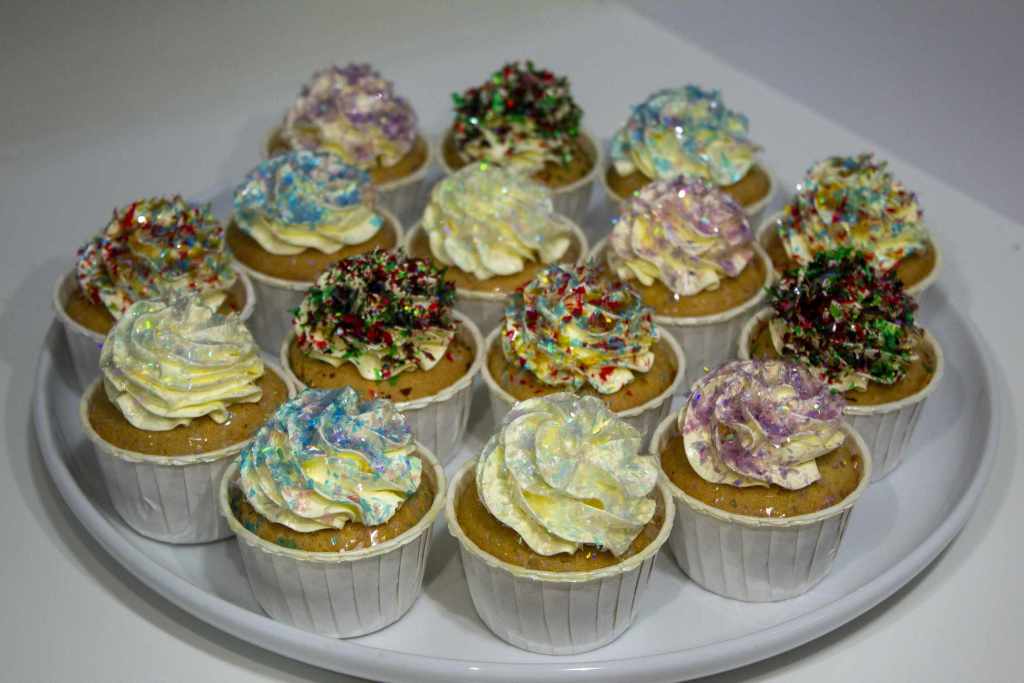
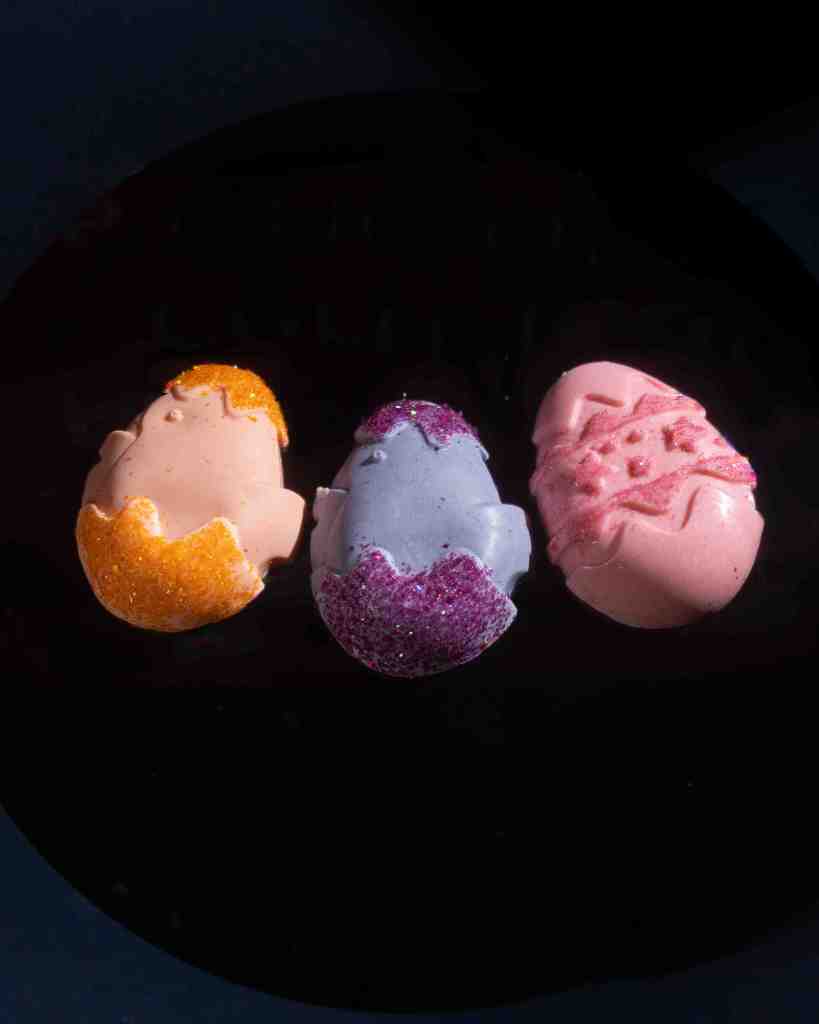
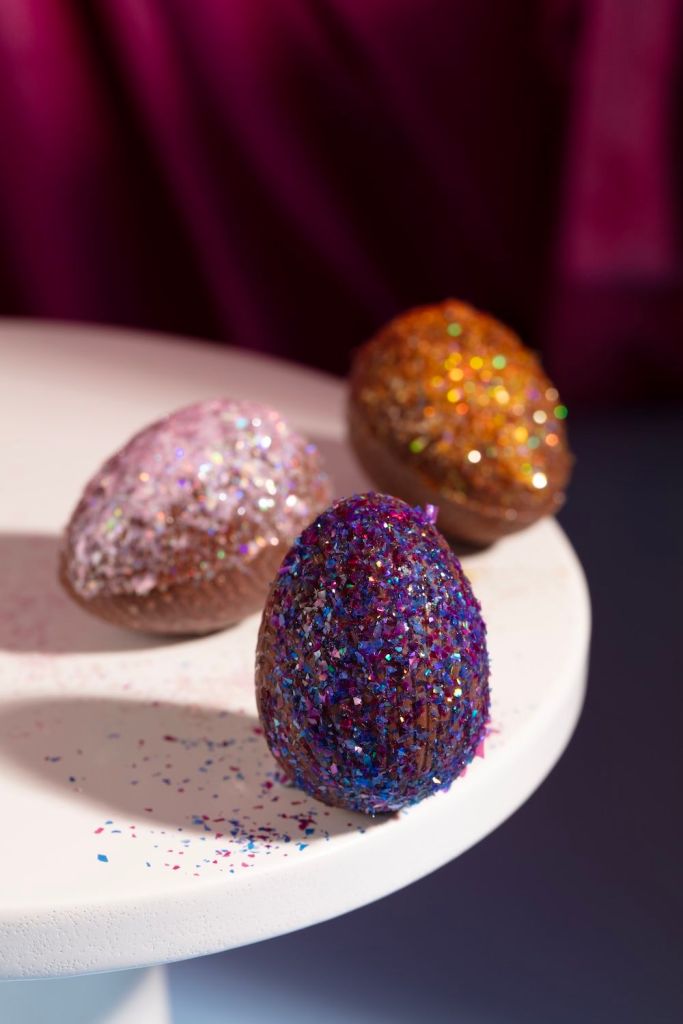
When choosing colours for edible glitter, flakes, or sprinkles, think beyond shade. The choice between synthetic vs natural food colours impacts your final product differently.
For truly edible decorations:
Look for products using natural food colouring for baking. Plant-based options with short ingredient lists.
The industry is moving toward transparency. Clean label baking is what customers expect.
You don’t need to switch everything to plant-based colourings overnight. But understand the difference between synthetic vs natural food colours well enough to make informed choices. Choose decorations that match your clean-label commitment find out where to buy natural edible glitter free from synthetic additives.
FAQ
Are artificial food colourings safe in the UK?
Yes. Approved colours meet strict UK safety standards. The debate today is less about safety and more about brand perception and consumer preference.
Why do some colours need a hyperactivity warning?
Some synthetic colours are linked to increased hyperactivity in children, so EU law requires a warning label. Many bakers switch to natural colours to avoid this entirely.
Do natural colours fade in baking?
Often, yes. Heat, light, and pH can soften natural pigments. They perform best in buttercream and no-bake applications.
How do I get bright colours without artificial dyes?
Natural colours won’t go neon. Use concentrated powders, layer pigments, and frame softer tones as intentional, premium, and refined.