


How to Use Edible Glitter on Fresh Fruit Without Moisture Damage
Knowing how to use edible glitter on fresh fruit is one of those skills that looks deceptively simple until you try it for the first time. The glitter goes on perfectly, the strawberries look stunning, and then within fifteen minutes the sparkle has started to dissolve, bleed, or disappear entirely into the fruit's surface moisture. If that sounds familiar, you are dealing with the same challenge every baker and food stylist faces when applying edible glitter to fresh produce.
The good news is that achieving perfect results with edible glitter on fruit is completely achievable. It just requires understanding why moisture is the problem, and then taking a few targeted steps to manage it before you even open your glitter jar. This guide covers everything from fruit preparation to adhesive choice to storage, so your decorations look exactly as intended from platter to table.
Why Moisture Is The Biggest Challenge When Decorating Fresh Fruit
Fresh fruit is naturally high in surface moisture. Strawberries, blueberries, raspberries, grapes, and other popular decorating choices all release water as they sit at room temperature, and their skins are often still damp even after drying. This ambient moisture is the primary reason decorating fruit with edible glitter is more challenging than decorating a cake.
Most edible glitters are made from hygroscopic ingredients, primarily sugar or maltodextrin, that attract and absorb moisture from surrounding surfaces. On a dry buttercream or fondant, this is not a problem. On fresh fruit, the glitter encounters continuous moisture from the fruit's surface and begins to dissolve almost immediately — making surface preparation the single most important factor in how long your decoration holds.
Sugar-based glitters dissolve fastest. Maltodextrin-based glitters, like Magic Sparkles, are more resistant because maltodextrin absorbs moisture more slowly than refined sugar. However, even the most moisture-stable edible glitter needs a properly prepared fruit surface to perform well. The preparation is non-negotiable.
Choosing The Right Edible Glitter For Fruit Platters
The first decision that affects your results is which glitter you choose. Not all products are suitable for edible glitter for fruit platters, and the difference in performance between a sugar-based and a maltodextrin-based glitter in a moisture-rich environment is significant.
For decorating fruit with edible glitter, look for products made from food-grade maltodextrin with natural plant-based colorings. Magic Sparkles products tick both boxes. Their crystal structure refracts light prismatically and holds together longer in the presence of surface moisture than sugar alternatives.
Avoid any glitter labeled "non-toxic" but not "edible." These products are made from polyester or plastic particles and have no place on food, let alone fresh fruit that will be eaten with no further preparation. Truly edible, food-grade glitter is the only category appropriate for direct fruit decoration.
For fruit platters specifically, finer glitter particles or edible sparkle powder tend to work better than large flake glitters. Fine particles adhere more evenly to curved, slightly irregular fruit surfaces and are less likely to slide off when the fruit moves.
How To Properly Wash And Dry Strawberries And Fresh Berries
Surface dryness is the foundation of everything else in this guide. No adhesive or glitter choice will compensate for wet fruit. Edible glitter on strawberries will not hold if the strawberry surface is damp.
Wash your fruit gently under cool water and then spread it in a single layer on a clean kitchen towel. Pat the tops and sides dry as thoroughly as possible without crushing the fruit. Then leave the fruit to air dry at room temperature for at least 20 to 30 minutes before you begin decorating.
For glitter on fresh berries, this drying window matters enormously. Small berries like blueberries and raspberries have more surface area relative to their size and release moisture more readily than larger fruits. Give them additional drying time and avoid refrigerating them immediately before decorating, as cold fruit brought into a warm room will develop condensation on the surface.
If you are working under time pressure, placing washed and patted fruit on a wire rack near a fan significantly speeds up surface drying without damaging the fruit.
Pre-Treatment Methods To Reduce Surface Moisture
Beyond standard drying, there are pre-treatment methods that help create a more stable surface for edible glitter on strawberries and other fresh fruit.
A very light dusting of cornstarch over the dried fruit surface absorbs residual surface moisture before you apply your adhesive layer. Use a dry pastry brush to apply the smallest possible amount. Too much cornstarch will create a chalky appearance, but a barely-there dusting is invisible once the glitter is applied on top.
Some food stylists use a very thin spray or brush of clear alcohol, such as vodka, over the fruit surface before glitter application. The alcohol evaporates quickly, taking surface moisture with it, and leaves a slightly tacky surface that helps the glitter adhere. This technique works particularly well for edible glitter on strawberries, where the surface has a natural sheen.
Another approach used in professional settings is a brief blast from a food-safe heat gun or hair dryer on the lowest cool setting across the fruit surface. This evaporates surface moisture rapidly without cooking the fruit. Keep the heat source moving constantly and maintain at least 20 centimetres of distance.
How To Make Glitter Stick To Fruit Without Syrup
Knowing how to make glitter stick to fruit without relying on syrup or other wet adhesives is the key to preventing glitter from dissolving on fruit. Syrup adds moisture to an already moisture-rich surface, which defeats the purpose.
The most effective approach is using piping gel applied in the thinnest possible layer with a fine brush. Piping gel is water-based but sets to a slightly tacky, stable surface. When applied sparingly, it provides enough grip for glitter without adding significant moisture.
Clear edible glue applied with a fine brush is another reliable option. Like piping gel, it is designed to be used in small quantities. The key with both products is restraint. A thin layer works. A thick layer traps moisture and causes the glitter to dissolve from below.
For fruit cake decoration tips in professional settings, food-safe lustre spray or aerosol glitter can also be applied directly over pre-dried fruit. The aerosol format distributes product in a fine, even layer that adheres without pooling.
Best Edible Adhesives That Won't Cause Moisture Damage
These are the adhesives worth having in your toolkit for decorating fruit with edible glitter.
Piping gel: Applied in the thinnest possible layer with a fine brush. Sets to a stable, grippy surface without adding significant moisture to the fruit skin. Best for individual pieces where precision matters.
Clear edible glue: Similar application to piping gel. Dries slightly firmer, which can be an advantage for pieces that need to hold longer before serving.
Lightly beaten egg white: A traditional option that dries clear and has good adhesive properties. Apply with a brush, allow to just barely set for thirty seconds, then apply glitter immediately. Not suitable for vegan applications.
Clear alcohol: Brushed onto the fruit surface, it evaporates quickly and leaves minimal residue while improving glitter adhesion. Best for immediate service situations rather than advance preparation.
All of these are moisture-safe cake decorations approaches when used correctly. The common thread is minimal application. More adhesive does not mean better adhesion. It means more moisture, which means faster glitter dissolution.
Techniques For Decorating Fruit With Edible Glitter Evenly
Even application is what separates a polished result from a patchy one. These techniques help you achieve consistent coverage when decorating fresh fruit with edible glitter is your goal.
Work on one piece of fruit at a time. Apply your adhesive, then immediately apply glitter before moving to the next piece. Working in batches of ten or more pieces means by the time you return to the first piece, the adhesive may have dried past its optimal tacky window.
Use a small spoon to scatter glitter over the top surface and a dry brush to press it gently into the sides. The spoon gives you coverage; the brush gives you precision. For edible glitter on strawberries, brush glitter from the tip upward toward the hull for the most natural-looking coverage.
For edible glitter for fruit platters where you are decorating a large number of pieces, set up an efficient workstation. Adhesive on the left, glitter in the centre, finished fruit on the right. Keep your tools dry between uses. A damp brush transfers moisture into your glitter jar, which will ruin the remaining product over time.
How To Use Edible Glitter on Fresh Fruit Without It Dissolving
Prevent glitter from dissolving on fruit by managing three things: surface moisture, adhesive quantity, and timing.
Surface moisture is addressed through thorough drying and pre-treatment as described above. Adhesive quantity should always be minimal. Timing is perhaps the most underrated factor. Glitter fruit decorations are not a prepare-two-days-ahead situation. They are best completed one to two hours before serving and kept in a cool, low-humidity environment until display. In high-volume event catering, timing glitter application within a 90-minute service window is considered best practice for maintaining maximum sparkle through service.
If you are preparing fruit cake decoration tips for an event, communicate clearly to your clients about this timing reality. Sparkle on fresh fruit is a beautiful but time-sensitive decoration. Setting that expectation in advance avoids disappointment on the day.
Choosing a maltodextrin-based glitter rather than a sugar-based one gives you more time within that window. The structural stability of maltodextrin crystals means they hold their shimmer longer in the presence of ambient moisture.
Storage Tips To Keep Glitter Stable On Fresh Fruit
Once your glittered fruit is ready, how you store it until serving makes a significant difference to the final appearance.
Keep decorated fruit in a single layer on a flat tray. Never stack glittered fruit pieces, as the contact between pieces will dislodge glitter and cause bleeding between surfaces.
Store in a cool room rather than a refrigerator if serving within two hours. Refrigeration introduces a condensation risk when the fruit is brought back out. If refrigeration is necessary, cover the tray loosely with parchment paper rather than cling film, which traps moisture against the fruit surface.
Avoid placing decorated fruit near other dishes that generate steam or heat. Even indirect heat from warming trays nearby can raise the ambient humidity around your fruit display enough to accelerate glitter dissolution.
For outdoor events, keep glittered fruit in a cool box or shaded display until as close to serving time as possible. Direct sunlight on fresh fruit raises the fruit temperature and accelerates surface moisture release.
For consistent, professional results with fruit decoration, find trusted edible glitter suppliers near you.
Conclusion
Knowing how to use edible glitter on fresh fruit is genuinely one of the most satisfying decoration skills to develop. The results, when done correctly, are extraordinary. Sparkling strawberries, shimmering blueberries, and glitter-kissed grapes on a dessert platter create a visual impact that far exceeds the effort involved once you understand the process.
The core principles are simple: dry your fruit thoroughly, use adhesive sparingly, choose a moisture-stable glitter, and time your decoration close to serving. These four steps, applied consistently, will transform your fruit decoration results completely. For professional kitchens, choosing a moisture-stable glitter like Magic Sparkles ensures consistent presentation at scale, whether you are decorating twenty pieces or two hundred.
Fresh fruit and edible glitter are a combination worth mastering. Give it the preparation it deserves and the results will speak for themselves.
When you have the technique right, the glitter you choose matters just as much — find out where to buy edible glitter for fresh fruit that is moisture-stable, food-grade, and built to hold its sparkle.
FAQ
Is edible glitter safe to use on fresh fruit?
Yes, as long as you are using truly edible glitter made from food-grade ingredients like maltodextrin and natural plant-based colorings. Products labeled "non-toxic" but not "edible" are made from polyester or plastic and should never be placed on food. Magic Sparkles products are vegan certified, halal certified, kosher certified, and made from genuinely food-safe ingredients.
How do you make edible glitter stick to fruit without it dissolving?
Dry your fruit thoroughly before applying any adhesive. Use a minimal amount of piping gel or clear edible glue applied with a fine brush. Apply glitter immediately while the adhesive is still tacky. Choose a maltodextrin-based glitter rather than a sugar-based one for better moisture resistance, and decorate as close to serving time as possible.
Can moisture ruin edible glitter on strawberries and berries?
Yes. Surface moisture is the primary cause of glitter dissolution on fresh fruit. Strawberries and berries naturally release moisture as they sit at room temperature, and this moisture dissolves the crystalline structure of edible glitters over time. Thorough drying before decoration and minimising adhesive moisture significantly extends how long glitter holds its sparkle.
What is the best way to prepare fruit before applying edible glitter?
Wash fruit gently, pat dry with a clean kitchen towel, and allow to air dry for at least 20 to 30 minutes on a wire rack before decorating. For additional surface preparation, a very light dusting of cornstarch or a thin brush of clear alcohol over the surface removes residual moisture and improves glitter adhesion.
How do you prevent edible glitter from bleeding or fading on fresh fruit?
Use a moisture-stable maltodextrin-based glitter, apply adhesive in the smallest effective quantity, and decorate as close to serving time as practically possible. Store decorated fruit in a single layer in a cool, low-humidity environment away from direct sunlight and heat sources. Avoid refrigeration immediately before serving to prevent condensation forming on the fruit surface.
Read More >Available In 22 Other Colours

How Do I Buy?
Find Retailer here:
How much do I need?


Edible Glitter Wholesale International Shipping: Magic Sparkles Export Guide
If you are exploring Edible glitter wholesale international shipping, you are likely looking for a s...


Cake Decorating Tools: Essential Guide For Bakers (2026)
The finish on a cake tells a story before anyone takes a bite. Whether you are just beginning or ref...

High-Protein Cake Recipe For Home Bakers: Healthy, Handmade & Beautifully Decorated
If you have been searching for a high-protein cake recipe that feels indulgent yet supports your hea...

Edible Glitter Colours Bulk Order Guide For Bakeries & Cake Decorators
If you are planning your next purchase, this guide will help you make confident, cost-effective deci...

Buying Edible Glitter in Bulk: A Guide for Wholesale Bakers
Why Wholesale Bakers Buy Edible Glitter In Bulk Buying edible glitter in bulk is not just about s...

How to Fix Too Much Edible Glitter on a Cake
Why Over-Applying Edible Glitter Is a Common Mistake Knowing how to fix too much edible glitter o...

Gold vs Silver Edible Glitter: Which Colour Works Best on Different Desserts
Gold vs Silver Edible Glitter: Why The Colour Choice Matters Gold vs silver edible glitter is one...

Can You Use Edible Glitter on Savoury Food? What Actually Works
Can You Actually Use Edible Glitter on Savoury Food Yes. Edible glitter on savoury food is a real...

How to Start a Glitter Cake Business from Home: Costs, Tools and Suppliers
Why Glitter Cake Businesses Are Growing If you have been thinking about how to start a glitter ca...

Edible Glitter for Allergen-Free Baking: What to Look for on the Label
Why Allergen-Free Edible Glitter Matters for Bakers Allergen free edible glitter for baking is no...

How to Use Edible Glitter on Fresh Fruit Without Moisture Damage
Knowing how to use edible glitter on fresh fruit is one of those skills that looks deceptively simpl...

Beyond the Sparkle: Magic Sparkles Making Truly Safe Edible Glitter for Everyone
When you pick up a jar of glitter from a baking supply shop, how do you know it is actually safe to ...

How to Create Homemade Natural Edible Glitter With Simple Ingredients
Homemade edible glitter is one of those ideas that sounds complicated but is actually very approacha...

Why Edible Glitter Fades in Humid Weather (And How to Prevent It on Cakes)
Humidity above 65% RH destabilises most sugar-based glitters within hours. The shimmer that looked p...

Kids Birthday Cake Design Ideas Using Edible Glitter
There is a moment at every kid's birthday party when the cake comes out and the room goes quiet for ...

How To Keep Cake Decorations From Melting in Warm Environments
You have spent hours on a cake. The buttercream is smooth, the glitter is perfect, the fondant detai...

Using Edible Glitter on Donuts: A Step-by-Step Guide
If you have ever scrolled past a tray of shimmering, prismatic donuts and thought "how did they do t...

101: Your Guide To Magic Sparkles Edible Glitter
If you have ever stood in a baking supply aisle staring at jars of glitter wondering which one is ac...

15 Unique Ways to Use Edible Glitter In the Kitchen and Beyond
Edible glitter has transformed how we think about food presentation. It is no longer reserved for sp...

Minimalist Cake Decoration Trends to Try Now
There is something quietly powerful about restraint. In a world where maximalism once ruled, today's...

Mica vs. Cellulose vs. Plant-Based Flakes: The Truth About Edible Glitter
Most people just grab whatever glitter looks prettiest on the shelf. And that is a problem. No...

5 Stunning Ways To Make Cupcakes Sparkle Using Edible Glitter
You want to know how to make cupcakes sparkle. Not a subtle hint of shimmer. Not 'kind of glitter...

How to Use Edible Glitter in Mocktails: Dos, Don’ts & Safety Tips
Why Edible Glitter Is Transforming the Mocktail Experience You served a drink. And the table w...

Sustainable Bakery Practices: The Complete Guide to Zero-Waste Baking
Sustainable bakery practices are no longer a nice-to-have. They are what your customers are start...

10 Instagram-Worthy Cake Designs Using Magic Sparkles Edible Glitter
You've seen those cakes. The ones that stop your thumb mid-scroll. Shimmering. Prismatic. Impossi...

Cake Decorating 101: FAQs Every Baker Should Know
What Is Cake Decorating and Why Learn the Basics? You really need to hear this. Because honest...

Luxury Cake Design Trends 2026: Silver Renaissance and Architectural Majesty
Luxury cake design trends are changing fast in 2026. And honestly? If you are still working off 2...

Synthetic Colours vs Natural Colours in Edible Decorations: What Bakers Should Know
You're standing in front of your baking supplies trying to figure out which food colouring to use. ...

What Is Edible Glitter Made Of? A Complete Guide to Sparkly, Safe Cake Decorations
When you're decorating a birthday cake or adding shimmer to holiday cookies, you've probably wondere...

Edible Glitter vs Luster Dust: Which to Use for Cakes, Cookies, and Cocktails.
When you're reaching for bakery decorating supplies to add shimmer to your latest creation, the choi...

How to Store & Preserve Edible Glitter for Best Results
You've invested in premium edible glitter to create stunning cakes and desserts, but are you storing...

Best Halal and Kosher Certified Glitters for Commercial Bakeries
Running a commercial bakery means serving diverse communities with different dietary requirements. W...

Edible vs. Non-Toxic: Is Your Cake Glitter Actually Safe to Eat?
When you sprinkle sparkle onto a birthday cake, you assume it's safe to eat. But the glitter sitting...

Is Your Glitter Legal? A 2025 Guide to E171 and Clean Label Compliance
If you've been using the same edible glitter for years without checking ingredient labels lately, yo...

Why Coverage Matters More Than Cost Per Kilo in Bakery Ingredients
When comparing suppliers for your bakery, the cheapest cost per kilo bakery ingredients might seem l...

How to Apply Edible Glitter to Buttercream, Fondant, and Chocolate: A Professional Guide
Knowing the right application techniques transforms amateur-looking cakes into stunning professional...

No E171 in our Magic Sparkles
Sarah Hadland sparked controversy a decade ago on The Great British Bake-Off when she pointed out ...

How “edible” is your food glitter?
There’s a special occasion coming up: a birthday, a wedding or an anniversary and you’re plannin...
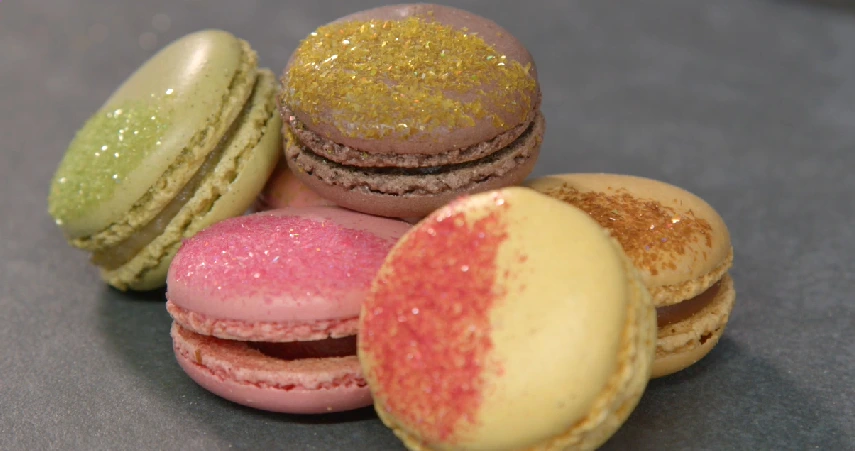
Simply sprinkle on to enhance your foods
Kim shows how you can easily enhance your food creations by using Magic Sparkles and Magic Twinkles ...
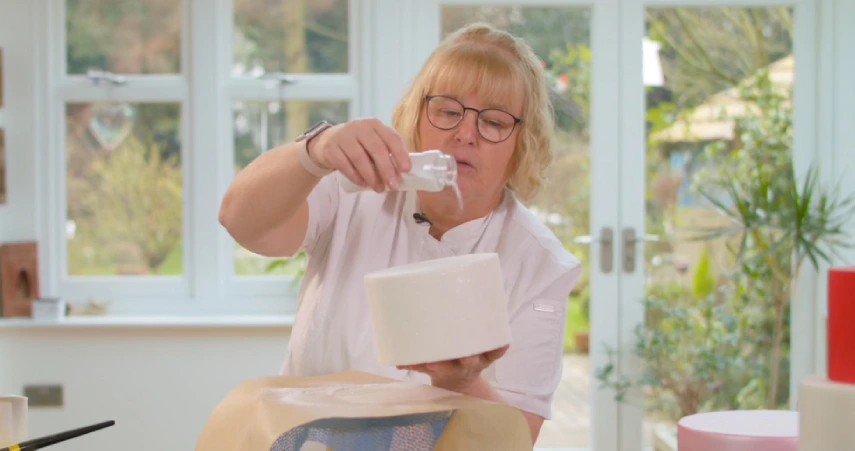
Applying to large surfaces
Expert tips by award-winning Baker, Carol Smith founder of "Cakes by Carol" In this video, Carol ...