Mica vs. Cellulose vs. Plant-Based Flakes: The Truth About Edible Glitter

Most people just grab whatever glitter looks prettiest on the shelf.

And that is a problem.

Not all edible glitter is created equal. Some of it is not even edible. Some passes straight through your digestive system. Some contains allergens nobody mentions. And some is genuinely, completely safe to eat.

Knowing the difference matters. Especially if you have ever stared at a label that says 'non-toxic' and wondered if that is the same as 'safe to eat.'

Spoiler: it is not.

This is the full breakdown on mica vs cellulose edible glitter, plus plant-based flakes, so you can stop guessing.

The Great Glitter Debate: Why Your Choice Of Shimmer Matters

Here is the thing nobody talks about at the bakery supply store.

The word 'edible' on a glitter label is not legally protected in every market. A product can call itself edible while containing ingredients your body cannot digest.

The mica vs cellulose edible glitter debate has been running for years in the baking community, and it matters more now than ever. Plant-based flakes have entered as a third option. Each type carries different safety profiles, different visual results, and very different implications for the people eating your cakes.

This is not just a baking question. It is a food safety question.

Understanding The Three Main Types: Mica, Cellulose, And Plant-Based Flakes

Let us break these down.

Mica-based glitter

Mica is a mineral that creates shimmer by reflecting light. In food, mica coated with titanium dioxide (E171) has been used in decorating products for years. The problem? Mica does not digest. E171 was banned by the EU in 2022 for genotoxicity. The UK FSA has reviewed the same evidence, though no ban is currently in force.

Cellulose glitter

Cellulose glitter is derived from plant cell walls. Some are approved for food contact and classed as food-grade glitter. But cellulose does not fully metabolize as actual food. Biodegradable edible sparkles made from cellulose are better than plastic glitters, but 'biodegradable' does not mean 'digestible.'

Plant-based flakes: the plant-based edible glitter alternatives that are actual food

This is where Magic Sparkles sits. Products made from a maltodextrin base with plant-based natural colorings are not just 'edible' in a technical sense. They are food. They dissolve in the stomach and metabolize completely. That is what makes digestible glitter flakes from maltodextrin so different, and what separates mica vs cellulose edible glitter from the real thing.

The Complete Comparison: Safety, Appearance, And Performance

Here is the honest food-grade glitter comparison head-to-head.

Safety profile

Mica: does not digest, E171 concerns, not recommended for regular consumption in large quantities.

Cellulose: plant-derived, biodegradable, but not fully digestible. Better than plastic, not the same as food.

Plant-based maltodextrin flakes: fully digestible, metabolized as food, no E171, clean label, certified allergen-free edible sparkle options available.

Visual appearance

Mica: strong reflective shimmer, opaque, can look heavy on lighter-colored cakes.

Cellulose: holographic shimmer depending on thickness, less prismatic than maltodextrin options.

Plant-based: true prismatic, jewel-like refraction. Magic Sparkles' crystal structure bends light at multiple angles, creating a depth that flat reflective glitters simply cannot replicate.

Performance and coverage

Magic Sparkles' lightweight maltodextrin base means 1kg delivers significantly more coverage than denser competitors. Significant for professional bakers working at volume.

Benefits Of Choosing The Right Food-Grade Glitter For Your Creations

Choosing the right food-grade glitter comparison is not just about safety. It is about results.

A truly digestible product removes liability questions from professional work. No client should be asking whether the sparkle on their wedding cake is safe to eat.

Magic Sparkles is Vegan certified, Halal certified, Kosher certified, and SALSA approved, making it the go-to vegan-friendly food glitter for professional and home bakers alike.

And visually? Safe edible shimmer for cakes made from maltodextrin outperforms the competition under most lighting conditions because of how the crystal structure interacts with light.

Who Should Use Each Type Of Safe Edible Shimmer?

This depends on what you are making and who is eating it.

Mica-based: Fine for decorative elements not directly consumed, like display cakes or inedible toppers. Not recommended for regular or heavy consumption, especially for children.

Cellulose: Better than plastic glitters. Works for environmentally conscious bakers wanting biodegradable edible sparkles without microplastics. Not the same as actual digestible glitter flakes.

Plant-based maltodextrin (Magic Sparkles): The leading plant-based edible glitter alternatives for safe edible shimmer for cakes that will be eaten by real people, including children, allergy-aware clients, and anyone with dietary certifications. The right choice for beverages and cocktail rims too.

How Magic Sparkles Meets Certified Food-Safe Standards

Magic Sparkles was founded by Harish Patel, a former Cadbury engineer who worked on iconic Cadbury products including the Creme Egg and Wispa. He applied food science to create a truly edible decorating product from scratch.

The result is a maltodextrin-based shimmer that dissolves completely in the stomach. No plastic. No E171. No synthetic preservatives. Short, recognizable ingredient list. That is what clean label means.

Magic Sparkles is produced in a SALSA-approved facility in Nuneaton, UK. Fiona Cairns, the royal baker who made Prince William and Kate Middleton's wedding cake, is a brand ambassador.

Safety Precautions: What To Check Before Buying Non-Toxic Cake Decorating Shimmer

Before buying any non-toxic cake decorating shimmer, check these things.

Does it say 'edible' or just 'non-toxic'? Non-toxic means it will not harm you. Edible means it is food. Different things.

Is E171 listed? Titanium dioxide is banned in EU food products. Put it back.

Does it carry certification? Halal, Kosher, Vegan, or SALSA. These require ingredient transparency.

Can you find the manufacturer? No address, no certifications, vague sourcing: all red flags.

Is it a food ingredient or food contact material? Food contact approval is not the same as safe to eat in quantity.

Beginner's Guide To Working With Natural Sparkle Decorations

New to natural sparkle decorations? Here is what works.

On buttercream: Apply while slightly tacky using a large fluffy brush in circular motions. No adhesive needed.

On fondant: Brush lightly with clear alcohol or edible glaze spray first, then apply by brush or gentle tap.

On chocolate: Apply while slightly warm. The glitter adheres naturally.

In drinks: Magic Sparkles dissolves completely, making it one of the only vegan-friendly food glitter options suitable for beverages. Mica and cellulose will settle or float.

Start with one technique before combining colors. The maltodextrin formula is lightweight. A little goes a very long way.

Common Mistakes When Selecting Biodegradable Edible Sparkles

These come up constantly.

Assuming 'biodegradable' means 'digestible.' Cellulose is biodegradable. Biodegradable edible sparkles break down in the environment. That does not mean your stomach handles them the same way.

Buying based on price alone. The cheapest marketplace glitter is almost never food-grade. No certifications plus no manufacturer details equals not a safe product.

Ignoring allergen information. Some plant-based colorings contain allergens. Genuinely allergen-free edible sparkle products carry that certification explicitly.

Using display glitter on eaten cakes. Decorative-only glitters exist for a reason. Using them on consumed cakes because they 'look better' is a real risk.

Not checking for E171. Titanium dioxide is still in many legacy products. The mica vs cellulose edible glitter conversation has to include the coating, not just the base material.

Conclusion

The mica vs cellulose edible glitter debate has a clear answer when safety is the priority. And if you have been researching mica vs cellulose edible glitter for your bakes, you already know this clarity is long overdue.

Mica reflects. Cellulose biodegrades. In the mica vs cellulose edible glitter comparison, plant-based maltodextrin flakes dissolve as food because they are food.

Magic Sparkles sits in a category of its own. Truly digestible. Clean label. Certified safe. Visually superior.

Ready to make the switch to truly safe shimmer? Find out where to buy edible glitter that is clean-label, compliant, and genuinely food-grade.

FAQ

What is the difference between "non-toxic" and "edible" glitter?

Non-toxic means it will not harm you. Edible means your body can digest it. Many glitters are non-toxic but not truly food-grade. Maltodextrin-based options are genuinely edible.

Can mica-based glitter cause digestive issues?

Mica is not digestible, it passes through the body. Mica with E171 raised safety concerns and was banned in the EU. Regular consumption is not recommended.

Are plant-based edible glitters allergen-free?

Not always. It depends on the color sources. Look for certified vegan, halal, kosher, or allergen-free labels.

How do I verify glitter is truly food-safe?

Check certifications (Vegan, Halal, Kosher, SALSA), review the manufacturer, and avoid products containing E171. No transparency equals not food-grade.

Does cellulose glitter dissolve in drinks or stay suspended?

No, it does not dissolve. It floats or settles. Maltodextrin-based glitter dissolves fully, making it ideal for cocktails and prosecco shimmer.

Read More >

Available In 22 Other Colours

  • Red Color Swatch

How Do I Buy?

Find Retailer here:

How much do I need?

Edible Glitter Wholesale International Shipping: Magic Sparkles Export Guide

If you are exploring Edible glitter wholesale international shipping, you are likely looking for a s...

Cake Decorating Tools: Essential Guide For Bakers (2026)

The finish on a cake tells a story before anyone takes a bite. Whether you are just beginning or ref...

High-Protein Cake Recipe For Home Bakers: Healthy, Handmade & Beautifully Decorated

If you have been searching for a high-protein cake recipe that feels indulgent yet supports your hea...

Edible Glitter Colours Bulk Order Guide For Bakeries & Cake Decorators

If you are planning your next purchase, this guide will help you make confident, cost-effective deci...

Buying Edible Glitter in Bulk: A Guide for Wholesale Bakers

Why Wholesale Bakers Buy Edible Glitter In Bulk Buying edible glitter in bulk is not just about s...

How to Fix Too Much Edible Glitter on a Cake

Why Over-Applying Edible Glitter Is a Common Mistake Knowing how to fix too much edible glitter o...

Gold vs Silver Edible Glitter: Which Colour Works Best on Different Desserts

Gold vs Silver Edible Glitter: Why The Colour Choice Matters Gold vs silver edible glitter is one...

Can You Use Edible Glitter on Savoury Food? What Actually Works

Can You Actually Use Edible Glitter on Savoury Food Yes. Edible glitter on savoury food is a real...

How to Start a Glitter Cake Business from Home: Costs, Tools and Suppliers

Why Glitter Cake Businesses Are Growing If you have been thinking about how to start a glitter ca...

Edible Glitter for Allergen-Free Baking: What to Look for on the Label

Why Allergen-Free Edible Glitter Matters for Bakers Allergen free edible glitter for baking is no...

How to Use Edible Glitter on Fresh Fruit Without Moisture Damage

Knowing how to use edible glitter on fresh fruit is one of those skills that looks deceptively simpl...

Beyond the Sparkle: Magic Sparkles Making Truly Safe Edible Glitter for Everyone

When you pick up a jar of glitter from a baking supply shop, how do you know it is actually safe to ...

How to Create Homemade Natural Edible Glitter With Simple Ingredients

Homemade edible glitter is one of those ideas that sounds complicated but is actually very approacha...

Why Edible Glitter Fades in Humid Weather (And How to Prevent It on Cakes)

Humidity above 65% RH destabilises most sugar-based glitters within hours. The shimmer that looked p...

Kids Birthday Cake Design Ideas Using Edible Glitter

There is a moment at every kid's birthday party when the cake comes out and the room goes quiet for ...

How To Keep Cake Decorations From Melting in Warm Environments

You have spent hours on a cake. The buttercream is smooth, the glitter is perfect, the fondant detai...

Using Edible Glitter on Donuts: A Step-by-Step Guide

If you have ever scrolled past a tray of shimmering, prismatic donuts and thought "how did they do t...

101: Your Guide To Magic Sparkles Edible Glitter

If you have ever stood in a baking supply aisle staring at jars of glitter wondering which one is ac...

15 Unique Ways to Use Edible Glitter In the Kitchen and Beyond

Edible glitter has transformed how we think about food presentation. It is no longer reserved for sp...

Minimalist Cake Decoration Trends to Try Now

There is something quietly powerful about restraint. In a world where maximalism once ruled, today's...

Mica vs. Cellulose vs. Plant-Based Flakes: The Truth About Edible Glitter

Most people just grab whatever glitter looks prettiest on the shelf. And that is a problem. No...

5 Stunning Ways To Make Cupcakes Sparkle Using Edible Glitter

You want to know how to make cupcakes sparkle. Not a subtle hint of shimmer. Not 'kind of glitter...

How to Use Edible Glitter in Mocktails: Dos, Don’ts & Safety Tips

Why Edible Glitter Is Transforming the Mocktail Experience You served a drink. And the table w...

Sustainable Bakery Practices: The Complete Guide to Zero-Waste Baking

Sustainable bakery practices are no longer a nice-to-have. They are what your customers are start...

10 Instagram-Worthy Cake Designs Using Magic Sparkles Edible Glitter

You've seen those cakes. The ones that stop your thumb mid-scroll. Shimmering. Prismatic. Impossi...

Cake Decorating 101: FAQs Every Baker Should Know

What Is Cake Decorating and Why Learn the Basics? You really need to hear this. Because honest...

Luxury Cake Design Trends 2026: Silver Renaissance and Architectural Majesty

Luxury cake design trends are changing fast in 2026. And honestly? If you are still working off 2...

Synthetic Colours vs Natural Colours in Edible Decorations: What Bakers Should Know

You're standing in front of your baking supplies trying to figure out which food colouring to use. ...

What Is Edible Glitter Made Of? A Complete Guide to Sparkly, Safe Cake Decorations

When you're decorating a birthday cake or adding shimmer to holiday cookies, you've probably wondere...

Edible Glitter vs Luster Dust: Which to Use for Cakes, Cookies, and Cocktails.

When you're reaching for bakery decorating supplies to add shimmer to your latest creation, the choi...

How to Store & Preserve Edible Glitter for Best Results

You've invested in premium edible glitter to create stunning cakes and desserts, but are you storing...

Best Halal and Kosher Certified Glitters for Commercial Bakeries

Running a commercial bakery means serving diverse communities with different dietary requirements. W...

Edible vs. Non-Toxic: Is Your Cake Glitter Actually Safe to Eat?

When you sprinkle sparkle onto a birthday cake, you assume it's safe to eat. But the glitter sitting...

Is Your Glitter Legal? A 2025 Guide to E171 and Clean Label Compliance

If you've been using the same edible glitter for years without checking ingredient labels lately, yo...

Why Coverage Matters More Than Cost Per Kilo in Bakery Ingredients

When comparing suppliers for your bakery, the cheapest cost per kilo bakery ingredients might seem l...

How to Apply Edible Glitter to Buttercream, Fondant, and Chocolate: A Professional Guide

Knowing the right application techniques transforms amateur-looking cakes into stunning professional...

No E171 in our Magic Sparkles

Sarah Hadland sparked controversy a decade ago on The Great British Bake-Off when she pointed out ...

How “edible” is your food glitter?

There’s a special occasion coming up: a birthday, a wedding or an anniversary and you’re plannin...

Simply sprinkle on to enhance your foods

Kim shows how you can easily enhance your food creations by using Magic Sparkles and Magic Twinkles ...

Applying to large surfaces

Expert tips by award-winning Baker, Carol Smith founder of "Cakes by Carol" In this video, Carol ...

5 Stunning Ways To Make Cupcakes Sparkle Using Edible Glitter

You want to know how to make cupcakes sparkle.

Not a subtle hint of shimmer. Not 'kind of glittery in the right light.' Actually sparkle. The kind that makes someone stop mid-scroll and ask who made them.

This guide gives you exactly that.

What Makes Cupcakes Sparkle: Understanding Edible Glitter Effects

Before anything else, you need to know what you are actually working with.

Not all glitter is the same. And this is where most people go wrong before they even start.

Three types of products get sold as 'edible glitter.' Truly edible glitter, made from food-grade ingredients like maltodextrin that your body can actually digest. 'Non-toxic' glitter, which is usually polyester or mica-coated plastic that passes through your body without breaking down. And craft glitter, which should never touch food. Ever.

Truly edible glitter also performs differently. Its crystal structure refracts light prismatically, meaning it catches light from multiple angles at once. That is what creates professional bakery sparkle effects. The holographic, jewel-like shimmer that looks expensive and intentional. Standard non-edible glitters reflect light flat. They look dull by comparison, even in good lighting.

Knowing how to make cupcakes sparkle properly starts with choosing the right product.

5 Step-By-Step Techniques To Make Cupcakes Sparkle With Professional Results

Here are five glittery cupcake decorating techniques that actually deliver.

Technique 1: The Dry Brush Dust Method

The most beginner-friendly way to learn how to make cupcakes sparkle.

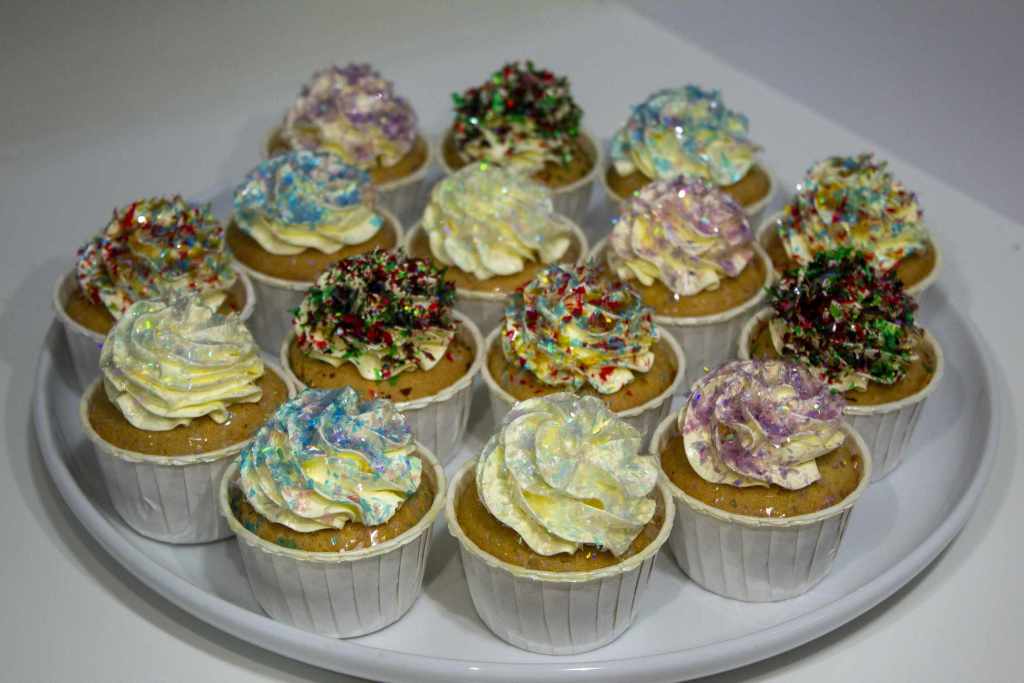
Frost your cupcake. Let the buttercream crust for about 10 minutes. Take a clean, dry food-safe brush, dip lightly into your edible glitter, tap off the excess, and sweep across the frosting surface. Work from the outer edge inward. The slightly set frosting grips the glitter without it sliding everywhere.

Simple. Fast. Genuinely stunning.

Technique 2: The Spray Mist Method

Mix truly edible glitter with a small amount of clear alcohol, like vodka or food-grade rose spirit, to a thin consistency. Pour into a small spray bottle. Hold it about 30cm from the cupcake and mist evenly across the frosting.

The alcohol evaporates almost instantly. What stays is an even, all-over shimmer. This is one of the most efficient edible shimmer application methods when you are decorating a large batch.

Technique 3: The Pressed Glitter Topper

Pipe your buttercream swirl. While it is still soft, press a fondant round coated in edible glitter directly onto the top. Press gently so it sits flush.

You get a defined, opulent shimmery cupcake topper that looks like it came from a high-end patisserie. Make your own glitter discs by rolling thin fondant circles and coating them in edible glitter before they dry.

Technique 4: The Glitter Drip Edge

Frost your cupcake with a smooth, flat top. Let it set. Use a fine brush dipped in edible glitter mixed with a tiny amount of clear piping gel to paint a delicate glitter border around the outer edge.

The result is a glamorous cupcake presentation that looks precise and editorial. It photographs beautifully because the light hits the edge from every direction.

Technique 5: The Ombre Glitter Fade

This is the one that stops people completely.

Start with your darkest glitter at the base of the frosting swirl. Dry brush in circular strokes. Move to your mid shade halfway up, blending where the two meet. Finish the peak with your lightest or most prismatic shade.

That is your glitter gradient cupcake design. It looks like hours of work. It takes minutes once you know what you are doing.

The Benefits Of Adding Glittery Cupcake Decorating Techniques To Your Repertoire

Learning how to make cupcakes sparkle pays off in more ways than you might expect.

Your work photographs better instantly: Shimmer catches light in ways plain frosting never will. Even a simple swirl looks premium with the right glitter on top.

You can charge more: Sparkly frosting ideas and glitter finishes are associated with premium pricing by customers almost automatically. Same base recipe. Higher perceived value.

You become memorable: Most bakers in a given area are not executing professional bakery sparkle effects consistently. Being known for sparkly cupcakes is a real, ownable brand position.

It is quick to learn: Unlike sugar flowers or complex piping, glitter dusting for desserts is forgiving. Even imperfect application looks beautiful because shimmer is inherently eye-catching.

Who Should Try These Sparkly Frosting Ideas?

Honestly? Anyone baking for other people.

Home bakers making cupcakes for birthdays, weddings, or baby showers will find sparkly frosting ideas dramatically elevate their work without adding significant time or cost.

Small bakery owners looking for eye-catching menu additions will find glitter cupcakes photograph brilliantly and attract new customers consistently.

Complete beginners wanting to know how to make cupcakes sparkle will find edible shimmer application methods are among the most accessible decoration techniques available. If you can hold a brush, you can do this.

How Magic Sparkles Elevates Your Shimmery Cupcake Toppers

This is where product choice changes your results.

Magic Sparkles was created by Harish Patel, a former Cadbury engineer who worked on iconic Cadbury products including the Creme Egg and the Wispa. It uses a proprietary maltodextrin-based process to create a truly edible product that dissolves in your stomach and metabolizes as food. No polyester. No microplastics. No Titanium Dioxide (E171). Natural, plant-based colorings only.

That crystal structure is what you actually see on your cupcakes.

Standard glitters reflect light flat. Magic Sparkles refracts light prismatically, catching it from multiple angles simultaneously. When you use it for shimmery cupcake toppers or a DIY glitter cupcakes tutorial finish, the shimmer shifts as the light moves. That is professional bakery sparkle effects. Not craft store glitter pretending to be something it is not.

Magic Sparkles is also SALSA Approved, Vegan Certified, Kosher Certified, and Halal Certified. For bakers decorating for guests with varied dietary needs, that certification matters. And because it covers significantly more surface area than standard glitter, it is significantly more cost-effective per cupcake over time.

For anyone serious about how to make cupcakes sparkle at a level that genuinely impresses people, this is the product that makes it happen.

Essential Precautions When Using Glitter Dusting For Desserts

A few things to know before you start.

Always verify your glitter is truly edible, not just 'non-toxic.' These are not the same thing. Non-toxic products are not food-grade and are not suitable for glitter dusting for desserts that people will actually eat. Read the full ingredient list. Check for third-party food safety certifications.

Work in a dry environment. Moisture causes glitter to clump and apply unevenly, which kills the fine shimmer effect you are after. Keep your glitter container sealed between uses. If your kitchen is humid, work in short sessions.

Wash your hands before touching finished cupcakes and keep glitter away from your eyes during application. Basic food hygiene. Worth saying anyway.

Beginner Tips For Perfect Edible Shimmer Application Methods

Starting out with edible shimmer application methods? These save you frustration.

Before diving into any DIY glitter cupcakes tutorial, the single most important thing you can do is start simple and build from there.

→ Start with less glitter than you think you need. You can add more. You cannot take it off.

→ Let your frosting crust before applying. Wet buttercream grabs too much glitter at once and creates a heavy, uneven finish. Ten minutes of resting time makes a real difference.

→ Use a separate brush for each glitter color. Cross-contamination muddies your shades fast.

→ Practice the dry brush technique on a plate of frosting before touching your actual batch. Confidence on the real ones comes from one practice run.

Common Mistakes To Avoid With Sparkling Buttercream Recipes

Learning how to make cupcakes sparkle means learning what not to do.

Using the wrong product is the biggest one. Craft glitter does not belong on sparkling buttercream recipes or any food. Use certified, truly edible products only.

Applying glitter to frosting that is too wet causes clumping and a muddy finish instead of fine shimmer. Let it set first.

Overloading the brush is another common issue. Dip, then tap gently against the container edge to remove excess before touching the cupcake. A lighter touch always delivers a more refined result.

Storing glitter cupcakes in sealed airtight boxes while still fresh causes condensation that dulls the glitter. Let decorated cupcakes sit uncovered for 20 minutes before boxing.

Creating Glitter Gradient Cupcake Designs: Advanced Techniques

Glitter gradient cupcake designs look incredibly complex. They are not.

Choose shades that are adjacent on the color wheel or variations of the same color at different intensities. Rose gold to gold to champagne. Deep purple to lilac to white crystal. Navy to silver to ice white.

Pipe your swirl first. Apply your darkest shade at the base with circular dry brush strokes. Before moving to the next shade, use a clean brush to gently blend the edge so there is no hard line. Apply the mid shade, blend again. Finish with the lightest shade at the peak.

The blending step is everything. That is what separates polished glitter gradient cupcake designs from ones that just look patchy. Take your time there and the rest falls into place.

Conclusion

Knowing how to make cupcakes sparkle is one of those skills that looks much harder than it actually is.

Five techniques. One truly edible, high-quality glitter product. A few simple rules about timing and application. That is genuinely all it takes to go from plain frosted cupcakes to the kind of glamorous cupcake presentation that gets people asking questions.

Start with the dry brush method. Work up to glitter gradient cupcake designs once you feel comfortable. And always make sure what you are putting on your cupcakes is truly edible, not just non-toxic.

Your cupcakes should sparkle. Now you know exactly how to make that happen.

Related Reading: The Best Edible Glitter Colors for Every Occasion Related Reading: Glitter for Cake Pops: Find out where to buy edible glitter for cupcakes that gives you professional shimmer with every sprinkle.

Frequently Asked Questions

What piping tip creates the best base for adding glitter to cupcakes?

Use a 1M or 2D star tip for textured swirls that catch glitter beautifully. A smooth round tip works for flat, modern glitter gradients.

Should I apply glitter before or after frosting sets?

After. Let frosting crust for 10–15 minutes so it grips glitter without absorbing it. Apply to fresh frosting only for pressed toppers.

How do I prevent glitter from clumping?

Keep everything dry. Use a light brush touch, store glitter sealed, and add silica gel in humid climates.

Can I mix glitter into buttercream?

Yes, for an all-over shimmer. Use fine edible glitter or lustre dust, not flakes, for a smooth finish.

How should I store glitter cupcakes?

Room temperature, cool and dry, up to two days. Avoid refrigeration, condensation dulls shimmer. If chilled, bring to room temp uncovered before serving.

Read More >

Available In 22 Other Colours

  • Red Color Swatch

How Do I Buy?

Find Retailer here:

How much do I need?

Edible Glitter Wholesale International Shipping: Magic Sparkles Export Guide

If you are exploring Edible glitter wholesale international shipping, you are likely looking for a s...

Cake Decorating Tools: Essential Guide For Bakers (2026)

The finish on a cake tells a story before anyone takes a bite. Whether you are just beginning or ref...

High-Protein Cake Recipe For Home Bakers: Healthy, Handmade & Beautifully Decorated

If you have been searching for a high-protein cake recipe that feels indulgent yet supports your hea...

Edible Glitter Colours Bulk Order Guide For Bakeries & Cake Decorators

If you are planning your next purchase, this guide will help you make confident, cost-effective deci...

Buying Edible Glitter in Bulk: A Guide for Wholesale Bakers

Why Wholesale Bakers Buy Edible Glitter In Bulk Buying edible glitter in bulk is not just about s...

How to Fix Too Much Edible Glitter on a Cake

Why Over-Applying Edible Glitter Is a Common Mistake Knowing how to fix too much edible glitter o...

Gold vs Silver Edible Glitter: Which Colour Works Best on Different Desserts

Gold vs Silver Edible Glitter: Why The Colour Choice Matters Gold vs silver edible glitter is one...

Can You Use Edible Glitter on Savoury Food? What Actually Works

Can You Actually Use Edible Glitter on Savoury Food Yes. Edible glitter on savoury food is a real...

How to Start a Glitter Cake Business from Home: Costs, Tools and Suppliers

Why Glitter Cake Businesses Are Growing If you have been thinking about how to start a glitter ca...

Edible Glitter for Allergen-Free Baking: What to Look for on the Label

Why Allergen-Free Edible Glitter Matters for Bakers Allergen free edible glitter for baking is no...

How to Use Edible Glitter on Fresh Fruit Without Moisture Damage

Knowing how to use edible glitter on fresh fruit is one of those skills that looks deceptively simpl...

Beyond the Sparkle: Magic Sparkles Making Truly Safe Edible Glitter for Everyone

When you pick up a jar of glitter from a baking supply shop, how do you know it is actually safe to ...

How to Create Homemade Natural Edible Glitter With Simple Ingredients

Homemade edible glitter is one of those ideas that sounds complicated but is actually very approacha...

Why Edible Glitter Fades in Humid Weather (And How to Prevent It on Cakes)

Humidity above 65% RH destabilises most sugar-based glitters within hours. The shimmer that looked p...

Kids Birthday Cake Design Ideas Using Edible Glitter

There is a moment at every kid's birthday party when the cake comes out and the room goes quiet for ...

How To Keep Cake Decorations From Melting in Warm Environments

You have spent hours on a cake. The buttercream is smooth, the glitter is perfect, the fondant detai...

Using Edible Glitter on Donuts: A Step-by-Step Guide

If you have ever scrolled past a tray of shimmering, prismatic donuts and thought "how did they do t...

101: Your Guide To Magic Sparkles Edible Glitter

If you have ever stood in a baking supply aisle staring at jars of glitter wondering which one is ac...

15 Unique Ways to Use Edible Glitter In the Kitchen and Beyond

Edible glitter has transformed how we think about food presentation. It is no longer reserved for sp...

Minimalist Cake Decoration Trends to Try Now

There is something quietly powerful about restraint. In a world where maximalism once ruled, today's...

Mica vs. Cellulose vs. Plant-Based Flakes: The Truth About Edible Glitter

Most people just grab whatever glitter looks prettiest on the shelf. And that is a problem. No...

5 Stunning Ways To Make Cupcakes Sparkle Using Edible Glitter

You want to know how to make cupcakes sparkle. Not a subtle hint of shimmer. Not 'kind of glitter...

How to Use Edible Glitter in Mocktails: Dos, Don’ts & Safety Tips

Why Edible Glitter Is Transforming the Mocktail Experience You served a drink. And the table w...

Sustainable Bakery Practices: The Complete Guide to Zero-Waste Baking

Sustainable bakery practices are no longer a nice-to-have. They are what your customers are start...

10 Instagram-Worthy Cake Designs Using Magic Sparkles Edible Glitter

You've seen those cakes. The ones that stop your thumb mid-scroll. Shimmering. Prismatic. Impossi...

Cake Decorating 101: FAQs Every Baker Should Know

What Is Cake Decorating and Why Learn the Basics? You really need to hear this. Because honest...

Luxury Cake Design Trends 2026: Silver Renaissance and Architectural Majesty

Luxury cake design trends are changing fast in 2026. And honestly? If you are still working off 2...

Synthetic Colours vs Natural Colours in Edible Decorations: What Bakers Should Know

You're standing in front of your baking supplies trying to figure out which food colouring to use. ...

What Is Edible Glitter Made Of? A Complete Guide to Sparkly, Safe Cake Decorations

When you're decorating a birthday cake or adding shimmer to holiday cookies, you've probably wondere...

Edible Glitter vs Luster Dust: Which to Use for Cakes, Cookies, and Cocktails.

When you're reaching for bakery decorating supplies to add shimmer to your latest creation, the choi...

How to Store & Preserve Edible Glitter for Best Results

You've invested in premium edible glitter to create stunning cakes and desserts, but are you storing...

Best Halal and Kosher Certified Glitters for Commercial Bakeries

Running a commercial bakery means serving diverse communities with different dietary requirements. W...

Edible vs. Non-Toxic: Is Your Cake Glitter Actually Safe to Eat?

When you sprinkle sparkle onto a birthday cake, you assume it's safe to eat. But the glitter sitting...

Is Your Glitter Legal? A 2025 Guide to E171 and Clean Label Compliance

If you've been using the same edible glitter for years without checking ingredient labels lately, yo...

Why Coverage Matters More Than Cost Per Kilo in Bakery Ingredients

When comparing suppliers for your bakery, the cheapest cost per kilo bakery ingredients might seem l...

How to Apply Edible Glitter to Buttercream, Fondant, and Chocolate: A Professional Guide

Knowing the right application techniques transforms amateur-looking cakes into stunning professional...

No E171 in our Magic Sparkles

Sarah Hadland sparked controversy a decade ago on The Great British Bake-Off when she pointed out ...

How “edible” is your food glitter?

There’s a special occasion coming up: a birthday, a wedding or an anniversary and you’re plannin...

Simply sprinkle on to enhance your foods

Kim shows how you can easily enhance your food creations by using Magic Sparkles and Magic Twinkles ...

Applying to large surfaces

Expert tips by award-winning Baker, Carol Smith founder of "Cakes by Carol" In this video, Carol ...

How to Use Edible Glitter in Mocktails: Dos, Don’ts & Safety Tips

Why Edible Glitter Is Transforming the Mocktail Experience

You served a drink.

And the table went completely silent.

Not because it tasted bad. Because it looked like someone had bottled actual starlight.

That is what edible glitter for mocktails does to a room. It stops people mid-conversation. Phones appear. A simple non-alcoholic drink becomes the most photographed thing at the party.

But here is what most people do not know.

Not everything sold as 'edible glitter' belongs in your drink. Some products labeled 'non-toxic' are made from polyester. They pass through your body without dissolving. Putting plastic in someone's drink happens constantly because the labeling is genuinely confusing.

Edible glitter for mocktails, done right, is actual food. Maltodextrin-based, plant-colored, metabolized by your body the same way food is. The difference matters when serving children, pregnant guests, or anyone with dietary requirements.

Step-by-Step Guide to Adding Sparkly Drink Recipes to Your Menu

Sparkly drink recipes are not complicated. They just require the right product and the right method.

Here is the process:

Choose truly edible glitter. Not 'non-toxic'. Truly edible. Maltodextrin-based. Plant colorings only. No E171. This matters more than anything else.

Pour your base first. Lemonade, juice blends, coconut water, whatever your sparkly drink recipes call for. Liquid in the glass first, always.

Add glitter last. A small pinch, a light dusting. For edible glitter for mocktails, less is more at first. You can add. You cannot take away.

Stir gently. A slow stir disperses shimmer evenly. Vigorous stirring kills the visual effect, especially in sparkling water glitter effects where carbonation does the work.

Serve immediately. Edible glitter for mocktails looks most spectacular in the first few minutes. Serve right after adding for the full shimmer.

Benefits Of Using Food-Grade Sparkle in Drinks for Special Occasions

Non-alcoholic drinks at parties have always had a visibility problem.

The champagne crowd gets the beautiful glassware. The sparkling water crowd gets a glass that looks like an afterthought.

Food-grade sparkle in drinks fixes that instantly. One pinch and the non-alcoholic option suddenly looks like the premium choice. Intentional. Celebratory. Cared about.

For baby showers, weddings, kids' parties, and sober celebrations, edible glitter for mocktails transforms the drinks table. Non-alcoholic glittery beverages become the option everyone wants. And because food-grade sparkle in drinks metabolizes like actual food, it is safe for vegan, Halal, Kosher, and children's requirements alike.

Who Needs to Follow Glitter Beverage Safety Guidelines?

Everyone serving drinks at an event. Not just the person making them. Everyone.

The most common glitter beverage safety guidelines mistake happens before the drink is even made. Someone buys a product online, it says 'edible' on the label, and they assume that is enough. It is not.

Glitter beverage safety guidelines to know before you buy:

Check the ingredient list. Truly edible glitter contains food-grade ingredients like maltodextrin. Polyester or non-food materials means it is not for drinking.

Look for certifications. Vegan, Halal, Kosher, and SALSA approved products have been third-party verified.

Check for E171. Titanium Dioxide was banned in the EU in 2022 due to genotoxicity concerns. If your glitter contains it, keep it out of drinks.

How Magic Sparkles Ensures Safe Drink Decorating Products

Magic Sparkles was built on exactly this problem.

Magic Sparkles was founded by Harish Patel, a former Cadbury engineer who worked on iconic Cadbury products including the Creme Egg and the Wispa. He knows what belongs in food and what does not.

Magic Sparkles safe drink decorating products are made from maltodextrin and natural plant-based colorings. No E171. Every Magic Sparkles product carries full Vegan, Halal, Kosher, and SALSA certification, manufactured in the Nuneaton facility.

When you add Magic Sparkles to a glass, you are adding food to a drink.

Critical Precautions And Glitter Beverage Safety Guidelines

The drink decoration market has a real problem. Products that look identical on the shelf can be completely different inside.

Critical glitter beverage safety guidelines to follow every time:

Never use craft glitter. Not even once. Craft glitter is plastic. It does not belong near food or drink.

'Non-toxic' is not 'edible'. Non-toxic means it will not immediately harm you. Edible means it is food. Different things.

'Food safe' does not mean consumable. Some products are safe to touch food surfaces but not to eat. Edible glitter for mocktails must be fully consumable.

Be especially careful with children's drinks. For non-alcoholic glittery beverages served to kids, certified truly edible products only. No exceptions.

Beginner's Tips For Non-Alcoholic Glittery Beverages

Starting out with non-alcoholic glittery beverages? Here is what actually helps.

Start with still drinks before sparkling. Still liquids show the shimmer more clearly without bubbles competing. Once confident, move to sparkling water glitter effects for extra visual movement.

Match glitter color to the drink. Gold in mango or turmeric lemonade. White Crystal in clear coconut water. Rose Quartz in hibiscus or raspberry blends. The edible glitter for mocktails and the drink color should work together, not fight each other.

Use far less than you think. Magic Sparkles is maltodextrin-based and lightweight, giving significantly more coverage than denser competitor products.

Pair with mocktail garnish ideas that frame the shimmer. A sugar-rimmed glass, a dried citrus wheel, a rosemary sprig. These mocktail garnish ideas make the presentation feel intentional.

Common Mistakes With Dissolving Glitter for Drinks

People ask about dissolving glitter for drinks constantly.

The answer surprises them every time.

Truly edible glitter does not fully dissolve. It suspends. It catches light as it moves through the drink. The shimmer effect comes from this suspension. Dissolving glitter for drinks completely would remove the visual effect entirely.

The most common mistake with dissolving glitter for drinks is adding too much and stirring too vigorously, then wondering why the drink looks murky. Less edible glitter for mocktails, a gentle stir, immediate serving. That is the formula.

The second mistake is adding glitter to an empty glass before pouring. Always add to the drink after pouring. Glitter in an empty glass clumps and never redistributes.

Mastering Shimmer Cocktail Presentation And Party Mocktail Decoration Tips

Shimmer cocktail presentation is about the whole picture. Not just the glitter.

Party mocktail decoration tips that actually make a difference:

Use clear glassware. Shimmer cocktail presentation depends on light passing through the drink. Tall, clear glasses show edible glitter for mocktails at its best. Opaque cups block the effect.

Light matters. Candles, fairy lights, or direct overhead lighting interact beautifully with prismatic shimmer. Position your drinks station where light hits the glasses.

Restraint is elegance. The best party mocktail decoration tips all say the same thing. One well-chosen garnish alongside the shimmer looks better than three competing ones.

Add glitter per serving, not per batch. Prepare the mocktail base in a jug. Add edible glitter for mocktails to each glass individually so every guest gets the full fresh shimmer effect.

Conclusion

Edible glitter for mocktails changes how a drink feels to receive.

But only when you use the right product.

Truly edible. Maltodextrin-based. Plant-colored. E171-free. Certified. That is the Magic Sparkles standard. Ready to sparkle up your drinks menu? Find out where to buy edible glitter for mocktails that is certified safe to consume.
gic Sparkles was built to deliver.

FAQ

Will edible glitter sink to the bottom of my drink or float?

Edible glitter for mocktails suspends in liquid and moves as the drink moves. In still drinks it settles slightly over time. In sparkling water glitter effects, carbonation keeps it moving. A gentle stir before serving brings the shimmer back up.

How much glitter should I use per serving without overwhelming the drink?

A small pinch. Edible glitter for mocktails from Magic Sparkles is lightweight with significantly more coverage than denser products. Start small. Easy to add, impossible to remove.

Can edible glitter change the taste or texture of my mocktail?

No. Edible glitter for mocktails made from maltodextrin is essentially tasteless. Food-grade sparkle in drinks adds no discernible flavor or texture, unlike some alternatives that feel gritty in excess.

Is it safe to use any brand of glitter in acidic drinks like lemonade?

No. This is precisely why glitter beverage safety guidelines matter. Always verify your product is certified for full consumption. Magic Sparkles products are tested and certified safe across all drink types including acidic ones.

Do I need to stir the drink after adding glitter, or will it disperse naturally?

A gentle stir distributes edible glitter for mocktails evenly. Without stirring it concentrates in one spot. In sparkling drinks carbonation helps, but one slow stir still gives a more consistent shimmer across the whole glass.

Read More >

Available In 22 Other Colours

  • Red Color Swatch

How Do I Buy?

Find Retailer here:

How much do I need?

Edible Glitter Wholesale International Shipping: Magic Sparkles Export Guide

If you are exploring Edible glitter wholesale international shipping, you are likely looking for a s...

Cake Decorating Tools: Essential Guide For Bakers (2026)

The finish on a cake tells a story before anyone takes a bite. Whether you are just beginning or ref...

High-Protein Cake Recipe For Home Bakers: Healthy, Handmade & Beautifully Decorated

If you have been searching for a high-protein cake recipe that feels indulgent yet supports your hea...

Edible Glitter Colours Bulk Order Guide For Bakeries & Cake Decorators

If you are planning your next purchase, this guide will help you make confident, cost-effective deci...

Buying Edible Glitter in Bulk: A Guide for Wholesale Bakers

Why Wholesale Bakers Buy Edible Glitter In Bulk Buying edible glitter in bulk is not just about s...

How to Fix Too Much Edible Glitter on a Cake

Why Over-Applying Edible Glitter Is a Common Mistake Knowing how to fix too much edible glitter o...

Gold vs Silver Edible Glitter: Which Colour Works Best on Different Desserts

Gold vs Silver Edible Glitter: Why The Colour Choice Matters Gold vs silver edible glitter is one...

Can You Use Edible Glitter on Savoury Food? What Actually Works

Can You Actually Use Edible Glitter on Savoury Food Yes. Edible glitter on savoury food is a real...

How to Start a Glitter Cake Business from Home: Costs, Tools and Suppliers

Why Glitter Cake Businesses Are Growing If you have been thinking about how to start a glitter ca...

Edible Glitter for Allergen-Free Baking: What to Look for on the Label

Why Allergen-Free Edible Glitter Matters for Bakers Allergen free edible glitter for baking is no...

How to Use Edible Glitter on Fresh Fruit Without Moisture Damage

Knowing how to use edible glitter on fresh fruit is one of those skills that looks deceptively simpl...

Beyond the Sparkle: Magic Sparkles Making Truly Safe Edible Glitter for Everyone

When you pick up a jar of glitter from a baking supply shop, how do you know it is actually safe to ...

How to Create Homemade Natural Edible Glitter With Simple Ingredients

Homemade edible glitter is one of those ideas that sounds complicated but is actually very approacha...

Why Edible Glitter Fades in Humid Weather (And How to Prevent It on Cakes)

Humidity above 65% RH destabilises most sugar-based glitters within hours. The shimmer that looked p...

Kids Birthday Cake Design Ideas Using Edible Glitter

There is a moment at every kid's birthday party when the cake comes out and the room goes quiet for ...

How To Keep Cake Decorations From Melting in Warm Environments

You have spent hours on a cake. The buttercream is smooth, the glitter is perfect, the fondant detai...

Using Edible Glitter on Donuts: A Step-by-Step Guide

If you have ever scrolled past a tray of shimmering, prismatic donuts and thought "how did they do t...

101: Your Guide To Magic Sparkles Edible Glitter

If you have ever stood in a baking supply aisle staring at jars of glitter wondering which one is ac...

15 Unique Ways to Use Edible Glitter In the Kitchen and Beyond

Edible glitter has transformed how we think about food presentation. It is no longer reserved for sp...

Minimalist Cake Decoration Trends to Try Now

There is something quietly powerful about restraint. In a world where maximalism once ruled, today's...

Mica vs. Cellulose vs. Plant-Based Flakes: The Truth About Edible Glitter

Most people just grab whatever glitter looks prettiest on the shelf. And that is a problem. No...

5 Stunning Ways To Make Cupcakes Sparkle Using Edible Glitter

You want to know how to make cupcakes sparkle. Not a subtle hint of shimmer. Not 'kind of glitter...

How to Use Edible Glitter in Mocktails: Dos, Don’ts & Safety Tips

Why Edible Glitter Is Transforming the Mocktail Experience You served a drink. And the table w...

Sustainable Bakery Practices: The Complete Guide to Zero-Waste Baking

Sustainable bakery practices are no longer a nice-to-have. They are what your customers are start...

10 Instagram-Worthy Cake Designs Using Magic Sparkles Edible Glitter

You've seen those cakes. The ones that stop your thumb mid-scroll. Shimmering. Prismatic. Impossi...

Cake Decorating 101: FAQs Every Baker Should Know

What Is Cake Decorating and Why Learn the Basics? You really need to hear this. Because honest...

Luxury Cake Design Trends 2026: Silver Renaissance and Architectural Majesty

Luxury cake design trends are changing fast in 2026. And honestly? If you are still working off 2...

Synthetic Colours vs Natural Colours in Edible Decorations: What Bakers Should Know

You're standing in front of your baking supplies trying to figure out which food colouring to use. ...

What Is Edible Glitter Made Of? A Complete Guide to Sparkly, Safe Cake Decorations

When you're decorating a birthday cake or adding shimmer to holiday cookies, you've probably wondere...

Edible Glitter vs Luster Dust: Which to Use for Cakes, Cookies, and Cocktails.

When you're reaching for bakery decorating supplies to add shimmer to your latest creation, the choi...

How to Store & Preserve Edible Glitter for Best Results

You've invested in premium edible glitter to create stunning cakes and desserts, but are you storing...

Best Halal and Kosher Certified Glitters for Commercial Bakeries

Running a commercial bakery means serving diverse communities with different dietary requirements. W...

Edible vs. Non-Toxic: Is Your Cake Glitter Actually Safe to Eat?

When you sprinkle sparkle onto a birthday cake, you assume it's safe to eat. But the glitter sitting...

Is Your Glitter Legal? A 2025 Guide to E171 and Clean Label Compliance

If you've been using the same edible glitter for years without checking ingredient labels lately, yo...

Why Coverage Matters More Than Cost Per Kilo in Bakery Ingredients

When comparing suppliers for your bakery, the cheapest cost per kilo bakery ingredients might seem l...

How to Apply Edible Glitter to Buttercream, Fondant, and Chocolate: A Professional Guide

Knowing the right application techniques transforms amateur-looking cakes into stunning professional...

No E171 in our Magic Sparkles

Sarah Hadland sparked controversy a decade ago on The Great British Bake-Off when she pointed out ...

How “edible” is your food glitter?

There’s a special occasion coming up: a birthday, a wedding or an anniversary and you’re plannin...
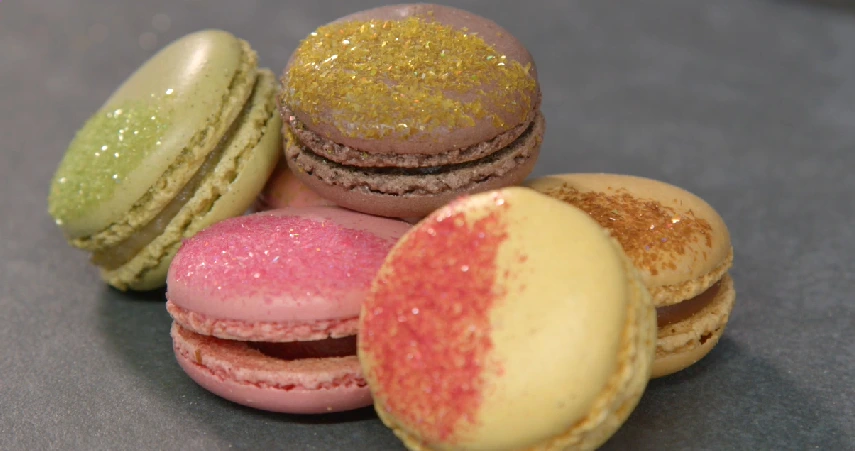
Simply sprinkle on to enhance your foods

Kim shows how you can easily enhance your food creations by using Magic Sparkles and Magic Twinkles ...
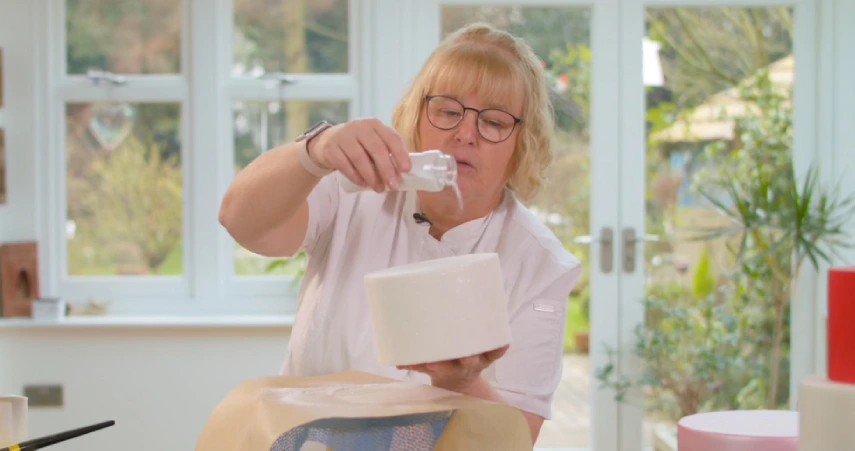
Applying to large surfaces

Expert tips by award-winning Baker, Carol Smith founder of "Cakes by Carol" In this video, Carol ...

Sustainable Bakery Practices: The Complete Guide to Zero-Waste Baking

Sustainable bakery practices are no longer a nice-to-have.

They are what your customers are starting to expect. And honestly? The bakeries ignoring this right now are going to feel it.

The good news is that going green does not mean reinventing your entire operation overnight. It means making smarter decisions, one at a time, until they add up to something real. This guide walks you through exactly how to do that.

What Are Sustainable Bakery Practices And Why Do They Matter?

Sustainable bakery practices are any decisions you make in your business that reduce environmental harm without wrecking your output or your profit.

Simple definition. Complicated execution. But very worth it.

Here is some context. The global food industry generates about one third of all human-caused greenhouse gas emissions. Bakeries contribute to that through energy use, ingredient waste, plastic packaging, and supply chain choices. None of that is invisible anymore. Customers are reading labels. They are asking questions. Bakeries that have switched to compostable cake packaging and shared that journey publicly have seen genuine increases in customer loyalty and footfall. People notice. People care. And increasingly, people vote with their wallets.

Sustainable bakery practices also matter for a reason that nobody talks about enough: they save money. Reducing food waste in bakeries cuts your ingredient costs. Smarter energy use cuts your utility bills. Better stock management cuts your overordering. Going green and running a leaner, more profitable operation are not opposites. They are the same thing.

Step-By-Step Guide To Implementing Zero-Waste Baking Techniques

Zero-waste baking techniques sound overwhelming until you break them into actual steps.

Here is a practical sequence that works.

Step 1: audit what you are actually wasting

You cannot fix what you have not measured.

Spend one week tracking everything that goes in the bin. Leftover dough, unsold baked goods, packaging material, offcuts. Write it down or photograph it. At the end of the week you will have a clear picture of where your biggest losses are happening. That is your starting point.

Step 2: adjust your production quantities

Most bakeries overproduce because the fear of running out feels worse than the cost of waste.

Start using sales data to guide your daily production numbers. If you consistently sell 40 croissants on a Tuesday, stop baking 65. Use a rolling average from the previous four weeks. This single change is one of the most effective zero-waste baking techniques available and it costs you nothing to implement.

Step 3: find a use for every offcut and leftover

Stale bread becomes breadcrumbs or croutons. Cake trimmings become cake pops or trifle layers. Bruised fruit becomes compote or jam filling. Imperfect pastries become staff meals or discounted 'wonky box' sales.

Sustainable bakery practices are built on this thinking. Nothing leaves your kitchen without having served a purpose.

Step 4: overhaul your packaging

Switch to compostable cake packaging wherever possible. Kraft boxes, plant-based cellophane, paper tape, and compostable bags are widely available now and more affordable than they were two years ago. Label your packaging so customers know it is compostable. That information builds trust.

Step 5: review your suppliers

Who you buy from is as important as what you do with what you buy. More on sustainable ingredient sourcing shortly.

Benefits Of Eco-Friendly Bakery Operations For Your Business And Planet

Let us be real about both sides of this.

Cost savings that compound: Eco-friendly bakery operations reduce ingredient waste, energy consumption, and packaging spend. Those savings are not dramatic in week one. But after six months of tighter production and smarter stock management, they become very visible on your balance sheet.

A customer base that stays loyal: Customers who choose you because of your values tend to be far more loyal than customers who chose you because you were convenient. A green bakery business model builds a community, not just a customer list.

Genuine competitive advantage: Most bakeries in your area are probably not doing this comprehensively yet. Being known as the sustainable option in your local market is a positioning most businesses would pay a lot for. You can earn it through action.

Positive press and organic reach: Journalists, local bloggers, and social media accounts love a good sustainability story. Eco-friendly bakery operations give you content, credibility, and coverage that paid advertising rarely delivers.

Personal satisfaction that actually matters: Running a business that aligns with your values changes how you show up every day. That is not a small thing.

Who Should Adopt A Green Bakery Business Model?

Honestly? Everyone baking professionally should be thinking about this.

But let us be specific.

If you run a small independent bakery, a green bakery business model gives you something the big chains genuinely struggle to replicate: authenticity. You can make real changes and tell real stories about them. That is powerful.

If you are a home baker building toward a small business, now is the best time to start. Sustainable bakery practices baked into your operation from day one are infinitely easier to maintain than habits you have to break later.

If you run a larger commercial bakery, the stakes are higher and so are the opportunities. Waste reduction strategies for bakers at scale have a significant financial impact. Even a five percent reduction in ingredient waste across a high-volume operation translates to serious savings.

And if you are a cake decorator buying decoration products for client orders, your sourcing choices count too. Every part of the supply chain matters.

How Magic Sparkles Supports Sustainable Ingredient Sourcing

Sustainable ingredient sourcing is one of the pillars of serious sustainable bakery practices. And it includes every single ingredient you put on or in your products, including decoration.

Magic Sparkles is one of the cleanest options on the market for edible decoration. Founded by Harish Patel, a former Cadbury engineer who worked on iconic Cadbury products including the Creme Egg and the Wispa, Magic Sparkles uses a maltodextrin-based manufacturing process to create its prismatic edible glitters and sparkles. The ingredient list is short. The colorings are natural and plant-based. There is no Titanium Dioxide (E171), no synthetic additives, and no plastics anywhere in the formulation.

That matters for sustainable ingredient sourcing because so many competing glitter products are made from polyester microplastics. They are marketed as 'non-toxic,' but they are not truly edible, and they are not environmentally responsible. They persist in water systems and contribute to microplastic contamination. Choosing Magic Sparkles instead is a small but genuinely meaningful sourcing decision.

Magic Sparkles is also SALSA-approved, vegan-certified, kosher-certified, and halal-certified. It is manufactured in the UK at the Nuneaton facility, which reduces the carbon footprint of international shipping compared to imported alternatives. One kilogram of Magic Sparkles also provides significantly more coverage than standard glitter. Less product needed means less packaging waste and lower cost-in-use across your operation.

For bakeries building serious sustainable bakery practices, decoration choices are part of the picture. Magic Sparkles makes that part easy.

Precautions When Switching To Compostable Cake Packaging

Compostable cake packaging is one of the most visible sustainable bakery practices you can adopt.

But there are things to know before you make the switch.

Not all compostable packaging breaks down in home compost. Some requires industrial composting facilities. If your customers do not have access to those, your 'compostable' packaging ends up in landfill anyway. Check the certification. Look for EN13432 in Europe or ASTM D6400 in the US. These standards confirm proper breakdown conditions.

Also, compostable packaging behaves differently. It can be less moisture-resistant than plastic. For products like cream cakes or anything with high moisture content, test your packaging thoroughly before rolling it out to all your orders. There is nothing worse than a beautiful cake arriving with a collapsed box.

Price is a real consideration too. Compostable cake packaging does cost more upfront. Factor that into your pricing honestly rather than absorbing the cost silently.

Tips For Beginners: Starting Your Waste Reduction Strategies For Bakers

If you are just getting started with waste reduction strategies for bakers, here is what to focus on first.

Start with your bin. Literally look at what is in it after every bake day. That is your data.

Pick one thing to change this week. Not five things. One. Maybe it is switching to paper bags. Maybe it is making a 'yesterday's bake' box at half price each morning. Start somewhere real.

Tell people what you are doing. Sustainable bakery practices are more powerful when they are visible. A small sign, a social media post, a note on your menu. Customers respond to honesty and effort.

Connect with other bakers doing this. The sustainable baking community is generous. Someone has already figured out the compostable packaging supplier that works in your region. Ask around.

Common Mistakes In Reducing Food Waste In Bakeries

Reducing food waste in bakeries is where most sustainability efforts either succeed or quietly fall apart.

The biggest mistake is producing the same quantities every day regardless of demand. Tuesday is not Saturday. Your production should not look the same on both days.

The second mistake is treating imperfect products as unsellable. A slightly lopsided muffin tastes identical to a perfect one. A discounted 'wonky' tray sells fast and reduces your end-of-day waste significantly. Reducing food waste in bakeries often means simply reframing what counts as sellable.

The third mistake is not having a plan for what does not sell. Before close of business every day, you should know exactly what happens to remaining stock. Staff take-home? Food bank donation? Compost? Having no plan means waste by default.

Advanced Carbon-Neutral Baking Methods And Ethical Bakery Supply Chain

Once your basics are solid, carbon-neutral baking methods and a fully considered ethical bakery supply chain are the next level.

Carbon-neutral baking methods include switching to renewable energy suppliers for your kitchen, investing in energy-efficient ovens and proofing equipment, and calculating your actual carbon output so you can offset what you cannot yet eliminate. Some bakeries are also moving toward carbon labeling on their products, showing customers the footprint of each item. That level of transparency is becoming a genuine differentiator.

An ethical bakery supply chain means knowing where your flour comes from, who milled it, and under what conditions. It means choosing suppliers who pay fair prices to farmers and who have environmental certifications of their own. Environmental bakery certifications like B Corp, Soil Association organic, or Rainforest Alliance for specific ingredients are worth pursuing as your operation matures. They take time to achieve but they carry real credibility.

Sustainable bakery practices at this level also involve looking at your water usage, your cleaning product choices, and your staff travel to work. Nothing is too small to consider when the goal is genuine sustainability rather than surface-level greenwashing.

Conclusion

Sustainable bakery practices are not a trend.

They are the direction the entire food industry is moving. The bakeries building these habits now are the ones that will be positioned well in five years, both commercially and reputationally.

You do not need to do everything at once. Start with your waste audit. Switch one packaging product. Review one supplier. Tell your customers what you are doing. Build from there.

Zero-waste baking techniques, eco-friendly bakery operations, smarter ingredient sourcing, and compostable cake packaging are all available to you right now. The only thing that separates bakeries doing this from bakeries not doing it is a decision to start.

Choose decoration ingredients that match your sustainability values — find out where to buy edible glitter that is clean-label and responsibly made.

Frequently Asked Questions

What can I do with leftover dough and stale baked goods?

Refrigerate unused dough for up to 72 hours. Repurpose stale bread into crumbs, croutons, or pudding. Turn cakes into trifles or cake pops. Donate end-of-day stock to local charities or waste-reduction apps.

How do I calculate ingredients to minimize waste?

Base production on a four-week rolling sales average. Add a modest buffer: not excess. Review and refine weekly as demand shifts.

Are compostable packaging options more expensive?

Yes, typically higher upfront than standard plastic alternatives. Most bakeries offset this with slight price adjustments and transparent sustainability messaging that resonates with customers.

How can I reduce energy costs in a bakery?

Batch bake to maximize oven cycles. Minimize preheat time, fix door seals, and switch to LED lighting. Small changes, consistent savings.

Can I donate day-old baked goods safely?

Yes, in most regions. Donate items past "best before" but not "use by" dates through registered charities, and document the process.

Read More >

Available In 22 Other Colours

  • Red Color Swatch

How Do I Buy?

Find Retailer here:

How much do I need?

Edible Glitter Wholesale International Shipping: Magic Sparkles Export Guide

If you are exploring Edible glitter wholesale international shipping, you are likely looking for a s...

Cake Decorating Tools: Essential Guide For Bakers (2026)

The finish on a cake tells a story before anyone takes a bite. Whether you are just beginning or ref...

High-Protein Cake Recipe For Home Bakers: Healthy, Handmade & Beautifully Decorated

If you have been searching for a high-protein cake recipe that feels indulgent yet supports your hea...

Edible Glitter Colours Bulk Order Guide For Bakeries & Cake Decorators

If you are planning your next purchase, this guide will help you make confident, cost-effective deci...

Buying Edible Glitter in Bulk: A Guide for Wholesale Bakers

Why Wholesale Bakers Buy Edible Glitter In Bulk Buying edible glitter in bulk is not just about s...

How to Fix Too Much Edible Glitter on a Cake

Why Over-Applying Edible Glitter Is a Common Mistake Knowing how to fix too much edible glitter o...

Gold vs Silver Edible Glitter: Which Colour Works Best on Different Desserts

Gold vs Silver Edible Glitter: Why The Colour Choice Matters Gold vs silver edible glitter is one...

Can You Use Edible Glitter on Savoury Food? What Actually Works

Can You Actually Use Edible Glitter on Savoury Food Yes. Edible glitter on savoury food is a real...

How to Start a Glitter Cake Business from Home: Costs, Tools and Suppliers

Why Glitter Cake Businesses Are Growing If you have been thinking about how to start a glitter ca...

Edible Glitter for Allergen-Free Baking: What to Look for on the Label

Why Allergen-Free Edible Glitter Matters for Bakers Allergen free edible glitter for baking is no...

How to Use Edible Glitter on Fresh Fruit Without Moisture Damage

Knowing how to use edible glitter on fresh fruit is one of those skills that looks deceptively simpl...

Beyond the Sparkle: Magic Sparkles Making Truly Safe Edible Glitter for Everyone

When you pick up a jar of glitter from a baking supply shop, how do you know it is actually safe to ...

How to Create Homemade Natural Edible Glitter With Simple Ingredients

Homemade edible glitter is one of those ideas that sounds complicated but is actually very approacha...

Why Edible Glitter Fades in Humid Weather (And How to Prevent It on Cakes)

Humidity above 65% RH destabilises most sugar-based glitters within hours. The shimmer that looked p...

Kids Birthday Cake Design Ideas Using Edible Glitter

There is a moment at every kid's birthday party when the cake comes out and the room goes quiet for ...

How To Keep Cake Decorations From Melting in Warm Environments

You have spent hours on a cake. The buttercream is smooth, the glitter is perfect, the fondant detai...

Using Edible Glitter on Donuts: A Step-by-Step Guide

If you have ever scrolled past a tray of shimmering, prismatic donuts and thought "how did they do t...

101: Your Guide To Magic Sparkles Edible Glitter

If you have ever stood in a baking supply aisle staring at jars of glitter wondering which one is ac...

15 Unique Ways to Use Edible Glitter In the Kitchen and Beyond

Edible glitter has transformed how we think about food presentation. It is no longer reserved for sp...

Minimalist Cake Decoration Trends to Try Now

There is something quietly powerful about restraint. In a world where maximalism once ruled, today's...

Mica vs. Cellulose vs. Plant-Based Flakes: The Truth About Edible Glitter

Most people just grab whatever glitter looks prettiest on the shelf. And that is a problem. No...

5 Stunning Ways To Make Cupcakes Sparkle Using Edible Glitter

You want to know how to make cupcakes sparkle. Not a subtle hint of shimmer. Not 'kind of glitter...

How to Use Edible Glitter in Mocktails: Dos, Don’ts & Safety Tips

Why Edible Glitter Is Transforming the Mocktail Experience You served a drink. And the table w...

Sustainable Bakery Practices: The Complete Guide to Zero-Waste Baking

Sustainable bakery practices are no longer a nice-to-have. They are what your customers are start...

10 Instagram-Worthy Cake Designs Using Magic Sparkles Edible Glitter

You've seen those cakes. The ones that stop your thumb mid-scroll. Shimmering. Prismatic. Impossi...

Cake Decorating 101: FAQs Every Baker Should Know

What Is Cake Decorating and Why Learn the Basics? You really need to hear this. Because honest...

Luxury Cake Design Trends 2026: Silver Renaissance and Architectural Majesty

Luxury cake design trends are changing fast in 2026. And honestly? If you are still working off 2...

Synthetic Colours vs Natural Colours in Edible Decorations: What Bakers Should Know

You're standing in front of your baking supplies trying to figure out which food colouring to use. ...

What Is Edible Glitter Made Of? A Complete Guide to Sparkly, Safe Cake Decorations

When you're decorating a birthday cake or adding shimmer to holiday cookies, you've probably wondere...

Edible Glitter vs Luster Dust: Which to Use for Cakes, Cookies, and Cocktails.

When you're reaching for bakery decorating supplies to add shimmer to your latest creation, the choi...

How to Store & Preserve Edible Glitter for Best Results

You've invested in premium edible glitter to create stunning cakes and desserts, but are you storing...

Best Halal and Kosher Certified Glitters for Commercial Bakeries

Running a commercial bakery means serving diverse communities with different dietary requirements. W...

Edible vs. Non-Toxic: Is Your Cake Glitter Actually Safe to Eat?

When you sprinkle sparkle onto a birthday cake, you assume it's safe to eat. But the glitter sitting...

Is Your Glitter Legal? A 2025 Guide to E171 and Clean Label Compliance

If you've been using the same edible glitter for years without checking ingredient labels lately, yo...

Why Coverage Matters More Than Cost Per Kilo in Bakery Ingredients

When comparing suppliers for your bakery, the cheapest cost per kilo bakery ingredients might seem l...

How to Apply Edible Glitter to Buttercream, Fondant, and Chocolate: A Professional Guide

Knowing the right application techniques transforms amateur-looking cakes into stunning professional...

No E171 in our Magic Sparkles

Sarah Hadland sparked controversy a decade ago on The Great British Bake-Off when she pointed out ...

How “edible” is your food glitter?

There’s a special occasion coming up: a birthday, a wedding or an anniversary and you’re plannin...

Simply sprinkle on to enhance your foods

Kim shows how you can easily enhance your food creations by using Magic Sparkles and Magic Twinkles ...

Applying to large surfaces

Expert tips by award-winning Baker, Carol Smith founder of "Cakes by Carol" In this video, Carol ...

10 Instagram-Worthy Cake Designs Using Magic Sparkles Edible Glitter

You've seen those cakes. The ones that stop your thumb mid-scroll.

Shimmering. Prismatic. Impossibly beautiful.

And your first thought is, how?

The answer is cake decorating with edible glitter. Specifically, the kind that actually refracts light instead of sitting flat and looking dull. Magic Sparkles are made from maltodextrin crystals. That structure creates the prismatic, jewel-like shimmer you see on high-end bakes. It catches light from multiple angles. It photographs like a dream.

And unlike the plastic 'non-toxic' glitters flooding the market? It metabolizes as actual food. No E171. No synthetic dyes. No polyester particles. Just clean-label, plant-based, truly edible shimmer.

That difference matters more than most people realize.

What Makes Cake Decorating With Edible Glitter Instagram-Worthy?

Light. Specifically, what the glitter does with it.

Magic Sparkles have a maltodextrin crystal structure that bends light at multiple angles simultaneously. That is where the holographic, prismatic effect comes from. That is why these cakes look lit from within whether you're shooting by a window or under a ring light.

Flat mineral-based competitors reflect. Magic Sparkles refract. The difference is visible the second you hold both up to the same light source. And for bakers who care what they're actually serving? 'Non-toxic' means it won't poison you. It does not mean it is food. Magic Sparkles dissolves and metabolizes. Halal certified. Kosher certified. Vegan certified. SALSA approved.

That is what you're putting on your client's wedding cake.

10 Step-By-Step Viral Cake Design Ideas For Maximum Impact

These are the designs lighting up bakery feeds right now. Each one uses cake decorating with edible glitter differently.

1. The full glitter coat

Cover a buttercream tier entirely in White Crystal Magic Sparkles. Apply while the surface is slightly tacky using a large fluffy brush in sweeping circular motions. One of the cleanest viral cake design ideas you can execute at any skill level.

2. The glitter ombre cake tutorial gradient

Start with a deep-colored base, fade to white at the top. Apply Rose Quartz glitter heavily at the base and reduce as you move upward. Blend the transition while the buttercream is still workable. This glitter ombre cake tutorial effect photographs beautifully in flat-lay and performs even better on video reels.

3. Gold drip with glitter dusting

Pour warm ganache down a smooth fondant cake. While it is still setting, dust the entire surface with Gold Magic Sparkles. The glitter adheres to both fondant and ganache, creating two distinct textures. A signature look in glittery drip cake designs that never goes out of style.

4. Naked cake with shimmer accents

Apply a light dusting of Silver Magic Sparkles to exposed sponge edges and cream layers. The contrast between rustic structure and delicate shimmer is one of the most effective photogenic dessert styling moves you can make with minimal effort.

5. Galaxy statement cake

Layer deep navy, purple, and black buttercream. Apply Blue, Violet, and White Crystal Magic Sparkles in scattered patches. Blend edges with a dry brush. Against a dark background, this becomes one of the most striking statement celebration cakes you will ever photograph.

6. Classic sparkly wedding cake inspiration

Dust white fondant tiers with Gold Magic Sparkles, add sugar flowers, then give those a second light dusting. In natural light, this creates a glowing effect that defines what sparkly wedding cake inspiration should look like. Fiona Cairns, the royal baker and Magic Sparkles ambassador who made Prince William and Kate Middleton's wedding cake, works with exactly this kind of finish.

7. Geode cake with glitter veining

Sculpt a geode cavity into your fondant cake. Dust the inner surfaces with Rose Quartz and Amethyst Magic Sparkles. The contrast between the matte exterior and sparkling interior is one of the most dramatic effects in cake decorating with edible glitter.

8. Mirror glaze with suspended glitter

Stir Silver or Gold Magic Sparkles directly into your glaze just before pouring. The prismatic particles suspend throughout as it sets. This is one of those luxury shimmer cake techniques that food photographers genuinely love to shoot.

9. Textured buttercream with peak shimmer

Create a heavily textured finish using a palette knife or comb. Apply glitter only to the raised peaks, leaving the valleys matte. The depth this creates is one of the most effective professional cake finishing techniques in this list.

10. Prosecco-inspired edible glitter layer cake

Coat a champagne-flavored sponge in White Crystal Magic Sparkles and pair with glitter-rimmed flutes using the same product. This crossover between beverage and dessert is among the most shared viral cake design ideas in luxury event catering right now.

Benefits Of Mastering Social Media Cake Trends

Social media cake trends move fast. The bakers who understand them well enough to lead rather than follow are the ones getting the commissions and the shares.

Cake decorating with edible glitter photographs consistently across every format. Natural light, ring lights, flat lay, video reel. The prismatic effect does most of the work. And the coverage ratio matters: Magic Sparkles' lightweight formula means 1kg delivers five times the coverage of standard glitter. For professionals producing in volume, that cost-in-use advantage is significant.

Who Should Try Photogenic Dessert Styling Techniques?

Three groups benefit most from photogenic dessert styling with edible glitter.

Home bakers building an audience: Glitter cakes get shared. Plain sponges do not. If growth is your goal, this is one of the most reliable shortcuts available.

Professional cake artists: You're competing for high-value commissions where clients decide based on portfolio photos. Cake decorating with edible glitter is a repeatable visual hook that makes your work recognizable.

Wedding and event stylists: Sparkly wedding cake inspiration content is consistently among the highest-engaged categories on Pinterest and Instagram. It builds authority in one of the most lucrative event niches available.

How Magic Sparkles Application Guide Creates Sparkly Wedding Cake Inspiration

The Magic Sparkles application guide approach is simple. The results are not.

On buttercream: Apply while slightly chilled. Use a large, fluffy brush in circular motions. No additional adhesive needed.

On fondant: Brush lightly with clear alcohol or edible glaze spray first. Apply glitter by brush or gentle tapping.

On chocolate: Apply while the surface is slightly warm and tacky. The glitter bonds naturally.

A single 3g pot covers significantly more surface area than denser competitor products. More coverage. Less product used. Lower actual cost.

Precautions For Luxury Shimmer Cake Techniques

A few things protect your work even when using a truly edible product.

Store correctly: Keep Magic Sparkles cool and dry. Moisture causes clumping, which affects the even flow you need for luxury shimmer cake techniques.

Check allergen requirements: Always verify the specific product label for clients with dietary requirements even though Magic Sparkles products are Vegan, Kosher, and Halal certified.

Do not over-apply: Too much product obscures the prismatic refraction effect. A confident light hand produces more impressive results than a heavy one.

Beginner Tips For Glitter Ombre Cake Tutorial Success

Three things matter most for a first glitter ombre cake tutorial attempt.

Start with a smooth base. Uneven buttercream creates uneven coverage. Take the extra time before any glitter goes on.

Use a clean brush for each color. Cross-contamination muddies the transition. One brush per shade.

Blend while the surface is still workable. A dry, clean brush in light sweeping motions diffuses the boundary naturally.

Once you've mastered this, cake decorating with edible glitter opens into more complex applications. Galaxy designs. Geode effects. Multi-color gradients. The ombre technique is the foundation.

Common Mistakes In Professional Cake Finishing

Using non-edible glitter: 'Non-toxic' is not the same as edible. Polyester glitter passes through the body undigested. This is not a small distinction for professional cake finishing.

Applying to fully set, cold fondant: Glitter won't adhere without a bonding agent on a dry cold surface. Always use a light brush of clear alcohol or edible glaze spray first.

Photographing immediately: Give the glitter two to three minutes to settle. This is when the prismatic effect reaches its peak.

Creating Statement Celebration Cakes And Glittery Drip Cake Designs

The two designs that convert the most clients through social media are statement celebration cakes and glittery drip cake designs.

Drip cakes already have a built-in focal point. When you add cake decorating with edible glitter over a drip design, you're adding a second visual layer. Texture on top of texture. The cake holds attention in a photo for longer. Longer attention leads to more engagement.

For statement celebration cakes, the key is contrast. Heavy glitter coverage with a simple, bold design. A matte black fondant cake almost entirely covered in Gold Magic Sparkles with a single sugar flower on top sells itself.

Cake decorating with edible glitter works in every direction. Subtle and minimalist. Bold and theatrical. The creative decisions are entirely yours.

Conclusion

Cake decorating with edible glitter is not a gimmick.

It is a skill with real depth backed by a product that actually delivers. Magic Sparkles gives you true prismatic refraction from a maltodextrin crystal structure in a clean-label, fully certified, truly edible product.

Pick one design from this list. Master it. Photograph it well. Then push further.

With cake decorating with edible glitter in your toolkit, the gap between the cakes you are making now and the ones stopping people mid-scroll is smaller than you think.
Ready to create your most scroll-stopping cake yet? Find out where to buy edible glitter for professional cake decorating.
s smaller than you think.

FAQ

What lighting setup works best for photographing glitter cakes?

Natural side lighting near a window is best for cake decorating with edible glitter. It creates the shadow and highlight contrast that makes prismatic shimmer look most dramatic in still photography. Ring lights work well for video but can flatten the effect in photos.

How do I apply glitter to achieve a gradient or ombre effect on cakes?

Apply the heaviest concentration at the base in vertical sweeping strokes. Reduce product as you move upward. Use a separate dry brush to soften the transition zone. Work in thin layers. This is the core principle behind every effective glitter ombre cake tutorial.

Should I use a turntable when applying glitter to get even coverage?

Yes. A turntable lets you rotate the cake while keeping your brush stationary. This produces far more consistent coverage than moving around the cake yourself, especially for glitter ombre cake tutorial designs where consistency is everything.

What background colors make edible glitter stand out most in photos?

Dark, matte backgrounds create the most dramatic contrast for photogenic dessert styling. Deep navy, charcoal, and black make White Crystal and Silver shimmer pop. For gold glitters, neutral cream or terracotta backgrounds read beautifully in natural light.

Can I combine multiple glitter colors on one cake without them blending together?

Yes. Apply each color in defined zones and use a clean brush to create soft transitions. Allow brief settling time between applications. Magic Sparkles' lightweight formula makes controlled placement significantly easier than denser competitor products.

Read More >

Available In 22 Other Colours

  • Red Color Swatch

How Do I Buy?

Find Retailer here:

How much do I need?

Edible Glitter Wholesale International Shipping: Magic Sparkles Export Guide

If you are exploring Edible glitter wholesale international shipping, you are likely looking for a s...

Cake Decorating Tools: Essential Guide For Bakers (2026)

The finish on a cake tells a story before anyone takes a bite. Whether you are just beginning or ref...

High-Protein Cake Recipe For Home Bakers: Healthy, Handmade & Beautifully Decorated

If you have been searching for a high-protein cake recipe that feels indulgent yet supports your hea...

Edible Glitter Colours Bulk Order Guide For Bakeries & Cake Decorators

If you are planning your next purchase, this guide will help you make confident, cost-effective deci...

Buying Edible Glitter in Bulk: A Guide for Wholesale Bakers

Why Wholesale Bakers Buy Edible Glitter In Bulk Buying edible glitter in bulk is not just about s...

How to Fix Too Much Edible Glitter on a Cake

Why Over-Applying Edible Glitter Is a Common Mistake Knowing how to fix too much edible glitter o...

Gold vs Silver Edible Glitter: Which Colour Works Best on Different Desserts

Gold vs Silver Edible Glitter: Why The Colour Choice Matters Gold vs silver edible glitter is one...

Can You Use Edible Glitter on Savoury Food? What Actually Works

Can You Actually Use Edible Glitter on Savoury Food Yes. Edible glitter on savoury food is a real...

How to Start a Glitter Cake Business from Home: Costs, Tools and Suppliers

Why Glitter Cake Businesses Are Growing If you have been thinking about how to start a glitter ca...

Edible Glitter for Allergen-Free Baking: What to Look for on the Label

Why Allergen-Free Edible Glitter Matters for Bakers Allergen free edible glitter for baking is no...

How to Use Edible Glitter on Fresh Fruit Without Moisture Damage

Knowing how to use edible glitter on fresh fruit is one of those skills that looks deceptively simpl...

Beyond the Sparkle: Magic Sparkles Making Truly Safe Edible Glitter for Everyone

When you pick up a jar of glitter from a baking supply shop, how do you know it is actually safe to ...

How to Create Homemade Natural Edible Glitter With Simple Ingredients

Homemade edible glitter is one of those ideas that sounds complicated but is actually very approacha...

Why Edible Glitter Fades in Humid Weather (And How to Prevent It on Cakes)

Humidity above 65% RH destabilises most sugar-based glitters within hours. The shimmer that looked p...

Kids Birthday Cake Design Ideas Using Edible Glitter

There is a moment at every kid's birthday party when the cake comes out and the room goes quiet for ...

How To Keep Cake Decorations From Melting in Warm Environments

You have spent hours on a cake. The buttercream is smooth, the glitter is perfect, the fondant detai...

Using Edible Glitter on Donuts: A Step-by-Step Guide

If you have ever scrolled past a tray of shimmering, prismatic donuts and thought "how did they do t...

101: Your Guide To Magic Sparkles Edible Glitter

If you have ever stood in a baking supply aisle staring at jars of glitter wondering which one is ac...

15 Unique Ways to Use Edible Glitter In the Kitchen and Beyond

Edible glitter has transformed how we think about food presentation. It is no longer reserved for sp...

Minimalist Cake Decoration Trends to Try Now

There is something quietly powerful about restraint. In a world where maximalism once ruled, today's...

Mica vs. Cellulose vs. Plant-Based Flakes: The Truth About Edible Glitter

Most people just grab whatever glitter looks prettiest on the shelf. And that is a problem. No...

5 Stunning Ways To Make Cupcakes Sparkle Using Edible Glitter

You want to know how to make cupcakes sparkle. Not a subtle hint of shimmer. Not 'kind of glitter...

How to Use Edible Glitter in Mocktails: Dos, Don’ts & Safety Tips

Why Edible Glitter Is Transforming the Mocktail Experience You served a drink. And the table w...

Sustainable Bakery Practices: The Complete Guide to Zero-Waste Baking

Sustainable bakery practices are no longer a nice-to-have. They are what your customers are start...

10 Instagram-Worthy Cake Designs Using Magic Sparkles Edible Glitter

You've seen those cakes. The ones that stop your thumb mid-scroll. Shimmering. Prismatic. Impossi...

Cake Decorating 101: FAQs Every Baker Should Know

What Is Cake Decorating and Why Learn the Basics? You really need to hear this. Because honest...

Luxury Cake Design Trends 2026: Silver Renaissance and Architectural Majesty

Luxury cake design trends are changing fast in 2026. And honestly? If you are still working off 2...

Synthetic Colours vs Natural Colours in Edible Decorations: What Bakers Should Know

You're standing in front of your baking supplies trying to figure out which food colouring to use. ...

What Is Edible Glitter Made Of? A Complete Guide to Sparkly, Safe Cake Decorations

When you're decorating a birthday cake or adding shimmer to holiday cookies, you've probably wondere...

Edible Glitter vs Luster Dust: Which to Use for Cakes, Cookies, and Cocktails.

When you're reaching for bakery decorating supplies to add shimmer to your latest creation, the choi...

How to Store & Preserve Edible Glitter for Best Results

You've invested in premium edible glitter to create stunning cakes and desserts, but are you storing...

Best Halal and Kosher Certified Glitters for Commercial Bakeries

Running a commercial bakery means serving diverse communities with different dietary requirements. W...

Edible vs. Non-Toxic: Is Your Cake Glitter Actually Safe to Eat?

When you sprinkle sparkle onto a birthday cake, you assume it's safe to eat. But the glitter sitting...

Is Your Glitter Legal? A 2025 Guide to E171 and Clean Label Compliance

If you've been using the same edible glitter for years without checking ingredient labels lately, yo...

Why Coverage Matters More Than Cost Per Kilo in Bakery Ingredients

When comparing suppliers for your bakery, the cheapest cost per kilo bakery ingredients might seem l...

How to Apply Edible Glitter to Buttercream, Fondant, and Chocolate: A Professional Guide

Knowing the right application techniques transforms amateur-looking cakes into stunning professional...

No E171 in our Magic Sparkles

Sarah Hadland sparked controversy a decade ago on The Great British Bake-Off when she pointed out ...

How “edible” is your food glitter?

There’s a special occasion coming up: a birthday, a wedding or an anniversary and you’re plannin...

Simply sprinkle on to enhance your foods

Kim shows how you can easily enhance your food creations by using Magic Sparkles and Magic Twinkles ...

Applying to large surfaces

Expert tips by award-winning Baker, Carol Smith founder of "Cakes by Carol" In this video, Carol ...

Cake Decorating 101: FAQs Every Baker Should Know

What Is Cake Decorating and Why Learn the Basics?

You really need to hear this.

Because honestly, cake decorating for beginners is not what most people think it is.

It is not about being naturally gifted.

It is not about owning hundreds of pounds worth of equipment.

And it is definitely not about getting it perfect on your first try.

Cake decorating for beginners is a skill. A learnable, teachable, totally-within-your-reach skill. And the people who make it look effortless? They started exactly where you are right now.

Confused.

A little intimidated.

Probably with flour somewhere on their forehead.

The basics of cake decorating cover everything from how to fill and level a cake, to how to get smooth frosting, to what tools you actually need versus what fancy shops try to convince you that you need. Master the basics and every other technique becomes so much easier to pick up.

Think about it this way.

If you do not know how to level a cake, your stacked tiers will lean. If you do not understand frosting consistency, your piping will collapse. If you skip the crumb coat, your final layer will be full of crumbs.

The basics are not boring.

They are the difference between a cake that wows a room and a cake that politely embarrasses you.

Cake decorating for beginners starts with understanding why every step exists. Not just following steps blindly. When you understand the 'why', you can fix problems on the fly, adapt to whatever your kitchen throws at you, and actually enjoy the process.

Step-by-Step Guide to Essential Basic Cake Decorating Tools

Here is the truth no one tells you.

You do not need everything in the catalog.

You need the right things.

And there is a difference.

The basic cake decorating tools that will genuinely change your results are not the most expensive ones. They are the most functional ones. The ones that solve the specific problems beginners run into every single time they decorate a cake.

Here is what belongs in every beginner's toolkit:

A turntable: Non-negotiable. A rotating cake stand is one of the basic cake decorating tools that turns a frustrating process into a smooth one. It lets you frost, smooth, and detail your cake without awkwardly repositioning yourself every 30 seconds. Even a basic plastic one works.

An offset spatula: Regular spatulas create drag marks. An offset spatula gives you the angle and control to apply frosting without your knuckles ruining the surface. One of the most underrated basic cake decorating tools you will ever own.

A bench scraper: This is what gives cakes those sharp, clean sides you see in bakeries. Hold it against the side of your cake, spin the turntable, and watch the magic happen. Genuinely one of the best basic cake decorating tools to invest in early.

Piping bags and a basic nozzle set: You do not need every tip in existence. A round tip, a star tip, and a petal tip cover the vast majority of beginner designs and easy piping techniques you will want to learn first.

A cake leveler or serrated knife: Domed cakes are the enemy of beautiful decoration. A leveler takes care of this problem in about ten seconds flat.

A food-safe brush: For applying luster, edible glitter, or shimmer to your finished cakes. You will use this more than you expect.

Six items. That is your foundation. Everything else can wait until you have actually used these consistently and know what else you need.

Benefits Of Mastering Frosting Techniques for Novices

Learning frosting techniques for novices is genuinely one of the most satisfying things you can do in the kitchen.

Because once you understand how frosting behaves, everything else starts to click.

A friend of ours spent three weekends in a row trying to get smooth sides on a birthday cake. Nothing was working. The frosting kept dragging, tearing, showing crumbs. She was ready to give up.

Then she learned two things.

The crumb coat. And chilling between layers.

One thin layer, 20 minutes in the fridge, final coat applied to a cold surface.

That was it.

Her results completely transformed. Same recipe. Same frosting. Different outcome because the frosting techniques for novices she was missing were finally in place.

This is what learning proper frosting techniques for novices actually unlocks. It is not just a smoother surface. It is control. Once you understand how temperature and consistency affect your frosting, you stop fighting it and start working with it.

The main areas that matter for frosting techniques for novices:

Spreading and smoothing: Different tools, different pressures, different results.

Crumb coating: That essential thin first layer that seals everything in before your final coat goes on.

Layering: Building up frosting evenly so the finished cake has consistent thickness all the way round.

Piping: Which leads us into beginner buttercream tips, because buttercream and piping go hand in hand.

Who Should Start with Beginner Buttercream Tips?

Everyone.

Honestly, everyone.

Buttercream is the most forgiving, versatile frosting that exists. It is perfect for cake decorating for beginners because you can adjust it, fix it, scrape it off and start again, and it will still cooperate with you.

The beginner buttercream tips that matter most all come back to two things.

Consistency and temperature.

That is it. Those two variables control literally everything.

Consistency too stiff? It will tear the surface of your cake as you try to spread it. It will also crack when you pipe it.

Consistency too soft? It will slide around, never hold its shape, and make your piped designs collapse into blobs.

The beginner buttercream tips worth memorizing:

→ For smooth sides, you want a medium consistency that spreads easily under light pressure but still holds its shape when you pull the spatula away.

→ For piping rosettes, stars, or shells, go slightly stiffer. Your designs need to hold their structure once they hit the cake.

→ Adjust consistency by adding small amounts of milk to loosen, or powdered sugar to stiffen. Small amounts. Not glug, glug, glug.

→ If your buttercream feels too soft mid-session, 10 minutes in the fridge usually fixes it.

→ If it feels grainy, your butter was probably too cold when you started. Beat it longer before adding the sugar.

These beginner buttercream tips sound simple. And they are. But most of the decorating disasters you will ever have trace back to not getting these basics right first.

🧁

🎂

The Ultimate
Baking Quiz!

Test your baking knowledge and see how you rank!

🧁 5 Questions
⏱ 20 Secs
🏆 3 Ranks

Welcome to the Magic Sparkles Baking Quiz – the most fun baking quiz for UK home bakers! Whether you're just starting out or think you're a baking knowledge expert, our baking trivia questions will put you to the test. From cake decorating secrets to ingredient science, discover how much you really know. Ready to rise to the challenge? 🍰

5 questions · Instant results · Shareable score

20
Question 1 of 5 · 0%
🎂
🧁 Baking Basics
Loading...
🏆
Pro Baker
Pro Baker! Amazing baking knowledge!
0Score
0%Correct

How Magic Sparkles Simplifies Simple Cake Design Tutorials

Here is the part where we talk about the finishing touch.

Because cake decorating for beginners does not have to mean basic-looking cakes.

Simple cake design tutorials focus on technique. But the detail that takes a cake from 'nice' to genuinely stunning is usually the finishing layer. And nothing delivers that prismatic, jewel-like impact faster than truly edible glitter.

Magic Sparkles was founded by Harish Patel, a former Cadbury engineer with a decade of food science experience. Our products are made from maltodextrin, a food-derived ingredient that dissolves in the stomach and metabolizes as food. Magic Sparkles products are made from maltodextrin, a food-derived ingredient that dissolves in the stomach and metabolizes as food. Not plastic. Not synthetic. Actual food. Every Magic Sparkles product is Vegan Certified, Halal Certified, Kosher Certified, SALSA Approved, and completely E171-free. Magic Sparkles never used Titanium Dioxide. Ever.

This matters a lot when you are following simple cake design tutorials online and see products labeled 'edible' that are technically non-toxic but made from polyester. They pass through your digestive system without dissolving. That is not edible. That is a marketing trick.

Magic Sparkles takes the simplest cake design tutorials and makes the results look extraordinary.

A freshly frosted buttercream cake. A light dusting of Magic Sparkles in White Crystal or Rose Quartz. Suddenly that beginner cake looks like it came from a professional bakery.

No advanced skill required. No complicated technique to master. The prismatic, holographic effect comes from the maltodextrin crystal structure, not from how you applied it. You just sprinkle it and the science does the rest.

Every Magic Sparkles product is Vegan Certified, Halal Certified, Kosher Certified, SALSA Approved, and completely E171-free. Which means no Titanium Dioxide. Ever. We never used it.

So whether you are baking for children, for a wedding, or for a professional client, the finishing glitter on that cake is 100% safe and 100% genuinely edible.

Precautions And Common Cake Decorating Mistakes to Avoid

Right.

Let's talk about the cake decorating mistakes to avoid.

Because everyone makes them. And most of them are completely preventable once you know they exist.

The most expensive lessons in cake decorating for beginners tend to happen right at the end, right when you thought the hard part was over.

Here are the cake decorating mistakes to avoid before you ever pick up a piping bag:

Decorating a warm cake: Hot or even room-temperature cakes cause frosting to melt, slide, and behave in ways that will make you want to throw the whole thing out. Always let your layers cool completely. Two hours minimum at room temperature, or refrigerate overnight. This is one of the cake decorating mistakes to avoid that beginners always learn the hard way.

Skipping the crumb coat: We know it feels like an extra step. It is not an extra step. It is the step that makes every other step work. Skip it and you will drag crumbs through your final layer every single time.

Using the wrong frosting consistency: Probably the most common of all cake decorating mistakes to avoid. The frosting consistency you need for smooth sides is different from what you need for piping. Using the same batch for both without adjusting will always end in frustration.

Buying decorations without checking the ingredients: Not all glitters, sprinkles, and dusts sold as 'edible' are what they claim to be. Some products labeled 'non-toxic' contain polyester microplastics. Always verify that your finishing decorations are truly edible, not just technically safe to accidentally ingest. Magic Sparkles uses only natural plant-based colorings and maltodextrin with zero synthetic additives.

Overworking fondant: Fondant basics for newbies always include this warning for a reason. Over-kneaded fondant becomes crumbly and dry. Knead until smooth and stop the moment it is workable.

Essential Tips: Your Starter Cake Decorating Kit

Building your starter cake decorating kit does not have to happen all at once.

In fact, buying everything simultaneously before you know what you actually need is one of the quieter cake decorating mistakes to avoid. You end up with tools you never touch and gaps in the things that would have actually helped.

Build your starter cake decorating kit in stages.

Stage one (start here): Turntable, offset spatula, bench scraper, piping bags, a basic three-tip set.

Stage two (add when ready): Cake leveler, fondant smoother, additional piping tips, food-safe brushes.

Stage three (the fun part): Truly edible finishing touches. This is where Magic Sparkles comes in.

A pot of Magic Sparkles edible glitter belongs in your starter cake decorating kit from day one. Not because you need it to master the technique. But because a light, even dusting over your finished buttercream immediately elevates the visual result. For cake decorating for beginners who are still building confidence in their technique, a dazzling sparkle finish makes even a simple design look intentional and beautiful.

And since Magic Sparkles is lightweight, 1kg of Magic Sparkles yields five times the coverage of 1kg of standard glitter products. One pot goes a long, long way.
ong way.

Easy Piping Techniques And Fondant Basics for Newbies

Easy piping techniques are genuinely easier than their results suggest.

The secret is not talent. It is the right consistency and a bit of practice.

The easiest piping techniques to start with:

The rosette: Hold your piping bag straight up, apply steady pressure, move in a circular motion from outside to centre, release pressure and lift. Practice ten on a plate before you touch the cake. You will be amazed how quickly your hands figure it out.

The shell border: Works along the base of a cake to cover any gaps. Angle your bag at 45 degrees, squeeze, ease up and pull. Repeat. This is one of the easy piping techniques that looks impressive but takes about 20 minutes to learn.

The star: Straight bag, straight down, squeeze and lift without swirling. Perfect for filling in spaces on a piped design.

Now for fondant basics for newbies.

Fondant intimidates people far more than it should.

The fondant basics for newbies that make the biggest difference:

→ Knead until the fondant is smooth, warm, and pliable. Cold fondant tears and cracks.

→ Use cornstarch or powdered sugar on your surface to stop it sticking. Not too much or it will dry out.

→ Roll to an even thickness. Uneven fondant shows every imperfection underneath.

→ Lift carefully. Drape gently over your chilled, frosted cake.

→ Smooth from the top down using a fondant smoother in circular motions. Work out the air bubbles before they set.

→ Trim at the base with a sharp knife or pizza cutter.

The fondant basics for newbies that most tutorials skip: fondant covers imperfections but it also reveals them. A smooth buttercream base under your fondant makes a massive difference to your final result. Do not skip that step.

Cake Leveling And Stacking Guide Plus Beginner-Friendly Icing Recipes

A proper cake leveling and stacking guide is the difference between a cake that looks professional and one that looks like it survived a small earthquake.

Uneven layers create leaning towers. Proper leveling creates the balanced, clean look that makes people think you trained somewhere.

The cake leveling and stacking guide basics:

For leveling: Use a serrated knife or dedicated cake leveler. Place your cooled cake on a flat surface. Rotate slowly as you cut, keeping the blade horizontal and your hand steady. Remove the dome. Repeat for every layer.

For stacking: Apply a generous layer of frosting between each tier. Press the layers together gently and check for straightness before moving on. For taller cakes with three or more tiers, use dowels inserted through the layers to support the weight above.

Now for beginner-friendly icing recipes.

Two that work beautifully and are forgiving enough for cake decorating for beginners:

Classic American buttercream (beginner-friendly icing recipe #1): Beat 250g unsalted softened butter until pale. Gradually add 500g sifted icing sugar. Add 2 tablespoons of whole milk and a pinch of salt. Beat on high for 3 minutes. Done. This beginner-friendly icing recipe handles beautifully for both smoothing and piping and takes about 10 minutes to make.

Cream cheese frosting (beginner-friendly icing recipe #2): Beat 200g full-fat cream cheese with 100g softened butter until smooth. Gradually add 400g sifted icing sugar and a splash of vanilla extract. Rich, tangy, and works perfectly on carrot or red velvet cakes. Chill slightly before using if it feels too soft.

Once your cake is leveled, stacked, frosted, and perfectly smooth, the last step is the one that people always remember.

A light drift of Magic Sparkles edible glitter over the finished surface. White Crystal for a clean, elegant finish. Gold for something warm and celebratory. Rose Quartz for a dreamy, feminine effect.

The holographic prismatic shimmer catches the light in every direction. And when someone walks into the room and sees that cake sitting on the table, they will not be looking at whether your piping is perfectly even. They will be reaching for their phone to take a photo.

That is the power of a truly edible finish that is actually food, not plastic dressed up in glitter packaging.

Conclusion

Cake decorating for beginners does not have to feel overwhelming.

It feels overwhelming when you try to learn everything at once.

Start with the right basic cake decorating tools. Understand what your frosting is actually doing. Master one frosting technique for novices at a time. Practice your beginner buttercream tips until consistency adjustment becomes second nature. Follow a solid cake leveling and stacking guide for every layered project. Experiment with easy piping techniques before you attempt complicated designs.

Learn your fondant basics for newbies properly. Keep beginner-friendly icing recipes bookmarked for the days your brain does not want to think. Avoid the cake decorating mistakes to avoid by reading about them before you experience them.

And when your cake is ready and you want it to look genuinely extraordinary, reach for Magic Sparkles.

Truly edible. Made from maltodextrin and natural plant-based colorings. Never E171. Vegan, Halal, Kosher, SALSA Approved, and manufactured right here in the UK.

Cake decorating for beginners is not about being perfect. It is about showing up in the kitchen, making something with your hands, and getting a little better every single time.

The sparkle at the end is just the part that makes the whole thing unforgettable.Build your decoration kit with ingredients you can trust — find out where to buy edible glitter for beginners and professionals alike.

FAQ

Why is my frosting sliding off the cake?

Your cake was warm or your buttercream too soft. Work with fully chilled layers, use a crumb coat, and chill between coats, especially in warm kitchens.

How long should cake layers cool before decorating?

Minimum two hours. Ideally, wrap and refrigerate overnight. Cold cake is easier to level, frost, and stack cleanly.

How do I fix a domed cake top?

Level it with a serrated knife or cake leveler once fully cool. Rotate the cake, keep the blade horizontal. Always level, don’t rely on compression.

Do I really need a crumb coat?

Yes. It seals crumbs and gives you a flawless final finish. Skipping it shows.

What’s the ideal buttercream consistency?

Soft and spreadable for smooth sides. Slightly stiff for piping. Adjust with milk to loosen, powdered sugar to firm.

Read More >

Available In 22 Other Colours

  • Red Color Swatch

How Do I Buy?

Find Retailer here:

How much do I need?

Edible Glitter Wholesale International Shipping: Magic Sparkles Export Guide

If you are exploring Edible glitter wholesale international shipping, you are likely looking for a s...

Cake Decorating Tools: Essential Guide For Bakers (2026)

The finish on a cake tells a story before anyone takes a bite. Whether you are just beginning or ref...

High-Protein Cake Recipe For Home Bakers: Healthy, Handmade & Beautifully Decorated

If you have been searching for a high-protein cake recipe that feels indulgent yet supports your hea...

Edible Glitter Colours Bulk Order Guide For Bakeries & Cake Decorators

If you are planning your next purchase, this guide will help you make confident, cost-effective deci...

Buying Edible Glitter in Bulk: A Guide for Wholesale Bakers

Why Wholesale Bakers Buy Edible Glitter In Bulk Buying edible glitter in bulk is not just about s...

How to Fix Too Much Edible Glitter on a Cake

Why Over-Applying Edible Glitter Is a Common Mistake Knowing how to fix too much edible glitter o...

Gold vs Silver Edible Glitter: Which Colour Works Best on Different Desserts

Gold vs Silver Edible Glitter: Why The Colour Choice Matters Gold vs silver edible glitter is one...

Can You Use Edible Glitter on Savoury Food? What Actually Works

Can You Actually Use Edible Glitter on Savoury Food Yes. Edible glitter on savoury food is a real...

How to Start a Glitter Cake Business from Home: Costs, Tools and Suppliers

Why Glitter Cake Businesses Are Growing If you have been thinking about how to start a glitter ca...

Edible Glitter for Allergen-Free Baking: What to Look for on the Label

Why Allergen-Free Edible Glitter Matters for Bakers Allergen free edible glitter for baking is no...

How to Use Edible Glitter on Fresh Fruit Without Moisture Damage

Knowing how to use edible glitter on fresh fruit is one of those skills that looks deceptively simpl...

Beyond the Sparkle: Magic Sparkles Making Truly Safe Edible Glitter for Everyone

When you pick up a jar of glitter from a baking supply shop, how do you know it is actually safe to ...

How to Create Homemade Natural Edible Glitter With Simple Ingredients

Homemade edible glitter is one of those ideas that sounds complicated but is actually very approacha...

Why Edible Glitter Fades in Humid Weather (And How to Prevent It on Cakes)

Humidity above 65% RH destabilises most sugar-based glitters within hours. The shimmer that looked p...

Kids Birthday Cake Design Ideas Using Edible Glitter

There is a moment at every kid's birthday party when the cake comes out and the room goes quiet for ...

How To Keep Cake Decorations From Melting in Warm Environments

You have spent hours on a cake. The buttercream is smooth, the glitter is perfect, the fondant detai...

Using Edible Glitter on Donuts: A Step-by-Step Guide

If you have ever scrolled past a tray of shimmering, prismatic donuts and thought "how did they do t...

101: Your Guide To Magic Sparkles Edible Glitter

If you have ever stood in a baking supply aisle staring at jars of glitter wondering which one is ac...

15 Unique Ways to Use Edible Glitter In the Kitchen and Beyond

Edible glitter has transformed how we think about food presentation. It is no longer reserved for sp...

Minimalist Cake Decoration Trends to Try Now

There is something quietly powerful about restraint. In a world where maximalism once ruled, today's...

Mica vs. Cellulose vs. Plant-Based Flakes: The Truth About Edible Glitter

Most people just grab whatever glitter looks prettiest on the shelf. And that is a problem. No...

5 Stunning Ways To Make Cupcakes Sparkle Using Edible Glitter

You want to know how to make cupcakes sparkle. Not a subtle hint of shimmer. Not 'kind of glitter...

How to Use Edible Glitter in Mocktails: Dos, Don’ts & Safety Tips

Why Edible Glitter Is Transforming the Mocktail Experience You served a drink. And the table w...

Sustainable Bakery Practices: The Complete Guide to Zero-Waste Baking

Sustainable bakery practices are no longer a nice-to-have. They are what your customers are start...

10 Instagram-Worthy Cake Designs Using Magic Sparkles Edible Glitter

You've seen those cakes. The ones that stop your thumb mid-scroll. Shimmering. Prismatic. Impossi...

Cake Decorating 101: FAQs Every Baker Should Know

What Is Cake Decorating and Why Learn the Basics? You really need to hear this. Because honest...

Luxury Cake Design Trends 2026: Silver Renaissance and Architectural Majesty

Luxury cake design trends are changing fast in 2026. And honestly? If you are still working off 2...

Synthetic Colours vs Natural Colours in Edible Decorations: What Bakers Should Know

You're standing in front of your baking supplies trying to figure out which food colouring to use. ...

What Is Edible Glitter Made Of? A Complete Guide to Sparkly, Safe Cake Decorations

When you're decorating a birthday cake or adding shimmer to holiday cookies, you've probably wondere...

Edible Glitter vs Luster Dust: Which to Use for Cakes, Cookies, and Cocktails.

When you're reaching for bakery decorating supplies to add shimmer to your latest creation, the choi...

How to Store & Preserve Edible Glitter for Best Results

You've invested in premium edible glitter to create stunning cakes and desserts, but are you storing...

Best Halal and Kosher Certified Glitters for Commercial Bakeries

Running a commercial bakery means serving diverse communities with different dietary requirements. W...

Edible vs. Non-Toxic: Is Your Cake Glitter Actually Safe to Eat?

When you sprinkle sparkle onto a birthday cake, you assume it's safe to eat. But the glitter sitting...

Is Your Glitter Legal? A 2025 Guide to E171 and Clean Label Compliance

If you've been using the same edible glitter for years without checking ingredient labels lately, yo...

Why Coverage Matters More Than Cost Per Kilo in Bakery Ingredients

When comparing suppliers for your bakery, the cheapest cost per kilo bakery ingredients might seem l...

How to Apply Edible Glitter to Buttercream, Fondant, and Chocolate: A Professional Guide

Knowing the right application techniques transforms amateur-looking cakes into stunning professional...

No E171 in our Magic Sparkles

Sarah Hadland sparked controversy a decade ago on The Great British Bake-Off when she pointed out ...

How “edible” is your food glitter?

There’s a special occasion coming up: a birthday, a wedding or an anniversary and you’re plannin...

Simply sprinkle on to enhance your foods

Kim shows how you can easily enhance your food creations by using Magic Sparkles and Magic Twinkles ...

Applying to large surfaces

Expert tips by award-winning Baker, Carol Smith founder of "Cakes by Carol" In this video, Carol ...

Luxury Cake Design Trends 2026: Silver Renaissance and Architectural Majesty

Luxury cake design trends are changing fast in 2026.

And honestly? If you are still working off 2023 inspiration boards, your clients can tell.

The high-end wedding cake styles that elite clients are requesting this year look nothing like what was trending even two seasons ago. We are talking about structural drama. Metallic coldness. Geometry that makes you stop mid-sentence. These are not just cakes anymore. They are moments.

So let us get into it.

What Defines Luxury Cake Design In 2026?

Here is the honest truth about luxury cake design trends right now.

They are not about doing more. They are about doing less, but doing it with total intention.

The Sugar Atelier in Paris shared something recently that stuck: their highest-paying clients in 2026 stopped asking for flowers. They started bringing in references from architecture studios and luxury fashion weeks. That shift tells you everything.

Luxury cake design trends in 2026 are built around two dominant movements.

The first is the Silver Renaissance. Think metallic silver cake finishes that catch light like polished chrome. Cool. Controlled. Quietly commanding. Not shiny for the sake of shiny. Shiny with purpose.

The second is Architectural Majesty. This is where sophisticated celebration cakes start looking like they belong in a gallery. Angular tiers. Asymmetry that feels deliberate, not accidental. Architectural cake structures that make guests genuinely question whether they are looking at a dessert or a sculpture.

Both of these premium cake decorating trends share one thing: they demand precision. There is no room to hide behind extra sugar flowers or excessive ruffles. Every decision is visible.

That is what makes them so powerful. And so unforgiving if you get it wrong.

Step-By-Step Guide To Creating High-End Wedding Cake Styles

You want to create high-end wedding cake styles that actually look the part. Here is exactly how to do it without guessing.

Step 1: lock in your design language first

Before you touch fondant or a spatula, you need to know what story the cake is telling.

Is it Silver Renaissance, all cool and polished? Is it Architectural Majesty with bold geometric luxury cakes and tilted tiers? Or a hybrid of both? Pull references. Build a moodboard. Know your direction.

Designers who skip this step end up with a cake that looks confused. That is never a good thing when someone is paying for luxury cake design trends.

Step 2: engineer the structure before you decorate

Architectural cake structures do not happen by accident. They need invisible support systems doing serious work underneath.

Use food-grade dowels. Use acrylic support plates rated for the weight of each tier. If you are doing tilted or asymmetrical tiers, calculate the center of gravity. Refrigerate between builds to keep your base firm.

The most photogenic geometric luxury cakes you have seen online? Ninety percent of that wow factor is structural. The decoration just finishes the story.

Step 3: achieve the metallic silver finish properly

Metallic silver cake finishes require a seriously smooth base. Either polished ganache or fondant that has been worked until it looks like ceramic.

Then apply edible silver lustre dust. Dry brush for a moonlit matte effect. Mix it with a small amount of clear alcohol for a high-gloss mirror finish. The method depends on the look your client wants.

This is the exact point where your decoration products either elevate the work or let it down. More on that shortly.

Step 4: add luxury edible gold accents with restraint

Luxury edible gold accents are one of the most searched elements in the current designer cake trend forecast. And the number one mistake bakers make? They use too much.

One gilded edge on a clean tier. A scatter of prismatic gold flake across a silver base. A single metallic detail that draws the eye without competing with the overall structure. That is enough. That is more than enough, actually.

Step 5: audit before you deliver

Step back. Look at the full cake. Then look again.

Luxury cake design trends demand a near-zero tolerance for anything that looks unfinished. Clean lines. Deliberate placement. Negative space used as a design tool, not an oversight.

This final step separates great cake work from truly sophisticated celebration cakes.

Benefits Of Embracing Metallic Silver Cake Finishes And Architectural Cake Structures

Honestly, the reasons to invest in these luxury cake design trends go beyond aesthetics.

Your pricing justifies itself: Metallic silver cake finishes and clean architectural structures visually communicate premium craftsmanship before the client even cuts the cake. Clients who want this look are not haggling over cost. They are looking for someone who can actually execute it.

Social media does the marketing for you: Geometric luxury cakes and architectural cake structures photograph extraordinarily well. Under any lighting condition. From any angle. One strong image of a well-executed piece drives more enquiries than months of regular posting could.

The skill has staying power: Premium cake decorating trends grounded in architecture and metallics are not going to vanish in a season. They are rooted in fashion and design movements that evolve slowly. Your investment in these techniques compounds over time.

Clients become advocates: When a sophisticated celebration cake genuinely matches a client's broader aesthetic vision, from their venue to their florals to their stationery, you become the baker they tell every newly-engaged friend about.

Who Should Explore Premium Cake Decorating Trends?

Short answer? Anyone who wants to grow.

Professional cake artists and couture bakery owners will find that luxury cake design trends in 2026 match exactly what high-end clients are already moving toward. If your enquiries have been shifting toward 'something different' or 'more editorial,' this is the answer.

Ambitious home bakers who want to turn their skill into a business should pay close attention too. Mastering even one element of these luxury cake design trends, whether that is a flawless metallic finish or one perfectly executed geometric tier, can completely change how your work is perceived and priced.

Event planners and stylists who work with bakers will also benefit from understanding avant-garde cake artistry. It helps them brief their suppliers properly and deliver events where every element speaks the same visual language.

How Magic Sparkles Enables Couture Bakery Designs

Here is where science becomes genuinely exciting.

Achieving luxury cake design trends at a professional level requires decoration products that perform at the same level as the design itself. This is not the place to cut corners.

Magic Sparkles was built for exactly this. Founded by Harish Patel, a former Cadbury engineer who invented the Cadbury Creme Egg and the Wispa bar, Magic Sparkles brings real food science to couture bakery designs. Every single product is 100% truly edible, made from a maltodextrin base that dissolves in the stomach and metabolizes as actual food.

No plastics. No Titanium Dioxide (E171). No synthetic additives.

What you get instead is a prismatic, jewel-like shimmer that behaves differently from anything else on the market. The unique crystal structure refracts light in a way standard glitters cannot replicate, which means geometric luxury cakes finished with Magic Sparkles have that holographic quality that photographs beautifully from every angle and every distance.

There is also a practical advantage that matters enormously for professionals. One kilogram of Magic Sparkles gives five times the coverage of standard glitter. That is not a small detail. That is a meaningful cost-in-use benefit that makes premium cake decorating trends genuinely viable without compromising finish or food safety.

When you are applying metallic silver cake finishes or placing luxury edible gold accents, the quality of your decoration product is visible to everyone in the room and in every photograph. Magic Sparkles is the product that belongs at the level these designs demand.

All products carry SALSA Approval, Vegan Certification, Kosher Certification, and Halal Certification. They are proudly manufactured in the UK at the Nuneaton facility. For designers creating sophisticated celebration cakes for clients with diverse dietary requirements, that certification removes every concern before it arises.

Precautions When Working With Luxury Edible Gold Accents

Luxury edible gold accents are everywhere in the current designer cake trend forecast.

But here is something a lot of bakers do not know. The market is crowded with products labeled 'non-toxic' that are actually made from polyester or mica-coated plastic. Non-toxic does not mean edible. It simply means a product will pass through the digestive system without causing immediate harm.

Truly edible means the product is made from food-grade ingredients the body can actually metabolize. For any high-end wedding cake styles you are presenting to paying clients, this distinction is not optional. It is your professional responsibility.

Beyond sourcing, storage matters. Moisture is the enemy of prismatic metallic finishes. Keep your products in a cool, dry environment. Apply metallic details as close to delivery time as possible to preserve maximum vibrancy, especially for sophisticated celebration cakes that will be on display at a venue for several hours before cutting.

Tips For Beginners Entering Geometric Luxury Cakes

Every expert in avant-garde cake artistry started at zero. Including the ones whose work you save to your inspiration folders.

Start small. One tier. One geometric element. Get one thing completely right before you add complexity. A flawlessly executed hexagonal edge on a single-tier cake will always impress more than an ambitious multi-tiered structure with visible mistakes.

Tools matter more than most beginners realize. A good bench scraper, an offset spatula, and a stable rotating turntable are non-negotiable for achieving clean metallic silver cake finishes. Practice smoothing ganache until it feels almost automatic. The surface is the canvas for everything else.

And please, match your decoration quality to your design ambition. A beautifully structured geometric luxury cake finished with flat, dull, low-quality glitter will not land the way you want. Luxury cake design trends require every element to perform at the same level. The structure and the decoration both have to earn their place.

Common Mistakes In Avant-Garde Cake Artistry

Tbh, even talented designers fall into these traps. Knowing them in advance saves you a lot of frustration.

Trying to include every trend at once: Geometric luxury cakes, metallic finishes, sculptural sugar flowers, textured panels, and luxury edible gold accents all competing on the same cake creates visual chaos. Not luxury. Choose one dominant idea. Let everything else support it.

Using decoration products that do not perform: Cheap glitters dull fast, look flat in photographs, and sometimes contain ingredients that raise food safety questions. For any sophisticated celebration cake presented to a client, this is a non-starter. Your decoration is part of the product you are selling.

Skipping structural planning: Architectural cake structures need internal engineering before they need external decoration. Without proper support, even the most beautifully finished cake can lean or collapse before the celebration starts. Plan structure first. Always.

Losing sight of the client brief: Avant-garde cake artistry should serve the client's vision, not showcase the designer's preferences. A spectacular couture bakery design that clashes with the event's overall aesthetic is a missed opportunity regardless of how technically impressive it is. Listen first. Design second.

Mastering Sophisticated Celebration Cakes: Designer Cake Trend Forecast

Looking ahead, the designer cake trend forecast for the rest of 2026 and into early 2027 is pointing in a few clear directions.

Warm metallics alongside cool silver are gaining serious ground. Champagne golds and brushed bronze tones are creating a softer, more romantic expression of the Silver Renaissance aesthetic. For high-end wedding cake styles specifically, this warmer palette bridges the gap between the cool precision of architectural design and the emotional warmth wedding clients still want.

Organic-architectural contrast is another direction the best couture bakery designs are exploring right now. Designers are pairing ultra-smooth metallic panels with deliberately rough, tactile surfaces, such as cracked chocolate bark or hand-torn sugar sheets. The tension between 'machine precision' and 'human imperfection' is one of the most compelling ideas in current luxury cake design trends.

Monochromatic luxury is also establishing itself as a defining look in sophisticated celebration cakes. One color, executed across multiple finishes and textures, from matte fondant to mirror-gloss ganache to prismatic sparkle, demonstrates a level of mastery that goes far beyond color matching. It is a pure skill statement.

The message from the designer cake trend forecast is consistent. Invest in your techniques. Invest in truly edible, high-quality materials. The clients seeking luxury cake design trends in 2026 are informed, have excellent taste, and are willing to pay for someone who can genuinely deliver.

Conclusion

Luxury cake design trends in 2026 are not about decorating more. They are about designing better.

The Silver Renaissance brings refined, light-catching elegance through metallic silver cake finishes and luxury edible gold accents that stop a room. Architectural Majesty introduces structural drama through geometric luxury cakes, bold architectural cake structures, and avant-garde cake artistry that redefines what a celebration cake can even be.

For every designer ready to create sophisticated celebration cakes at this level, the path forward is precision, intention, and materials that match the ambition. Magic Sparkles exists exactly at that intersection. Certified-safe, truly edible, scientifically superior decoration products built for every baker chasing couture bakery designs that belong in a gallery as much as on a dessert table.

Elevate your next luxury creation — find out where to buy edible glitter for high-end cake design.

Frequently Asked Questions

What makes a cake design “architectural”?

It’s engineered, not just styled. Think geometry, structure, and intentional form, where the design feels built, not decorated.

Are metallic finishes like silver food-safe?

Yes, if they’re truly edible, not just non-toxic. Look for certified, E171-free, food-grade products with clear ingredient lists.

How do I create sculptural shapes without collapse?

Support is everything. Use dowels, acrylic plates, dense sponge, and chill between layers. Precision over speed.

Minimalist luxury vs traditional wedding cakes, what’s the difference?

Traditional is ornate and abundant. Minimalist luxury is restrained, intentional, and flawless in execution.

Can I mix silver accents and florals?

Yes, if done with restraint. One focal point per tier. Sculptural florals, not sprawling blooms. Contrast, curated.

Read More >

Available In 22 Other Colours

  • Red Color Swatch

How Do I Buy?

Find Retailer here:

How much do I need?

Edible Glitter Wholesale International Shipping: Magic Sparkles Export Guide

If you are exploring Edible glitter wholesale international shipping, you are likely looking for a s...

Cake Decorating Tools: Essential Guide For Bakers (2026)

The finish on a cake tells a story before anyone takes a bite. Whether you are just beginning or ref...

High-Protein Cake Recipe For Home Bakers: Healthy, Handmade & Beautifully Decorated

If you have been searching for a high-protein cake recipe that feels indulgent yet supports your hea...

Edible Glitter Colours Bulk Order Guide For Bakeries & Cake Decorators

If you are planning your next purchase, this guide will help you make confident, cost-effective deci...

Buying Edible Glitter in Bulk: A Guide for Wholesale Bakers

Why Wholesale Bakers Buy Edible Glitter In Bulk Buying edible glitter in bulk is not just about s...

How to Fix Too Much Edible Glitter on a Cake

Why Over-Applying Edible Glitter Is a Common Mistake Knowing how to fix too much edible glitter o...

Gold vs Silver Edible Glitter: Which Colour Works Best on Different Desserts

Gold vs Silver Edible Glitter: Why The Colour Choice Matters Gold vs silver edible glitter is one...

Can You Use Edible Glitter on Savoury Food? What Actually Works

Can You Actually Use Edible Glitter on Savoury Food Yes. Edible glitter on savoury food is a real...

How to Start a Glitter Cake Business from Home: Costs, Tools and Suppliers

Why Glitter Cake Businesses Are Growing If you have been thinking about how to start a glitter ca...

Edible Glitter for Allergen-Free Baking: What to Look for on the Label

Why Allergen-Free Edible Glitter Matters for Bakers Allergen free edible glitter for baking is no...

How to Use Edible Glitter on Fresh Fruit Without Moisture Damage

Knowing how to use edible glitter on fresh fruit is one of those skills that looks deceptively simpl...

Beyond the Sparkle: Magic Sparkles Making Truly Safe Edible Glitter for Everyone

When you pick up a jar of glitter from a baking supply shop, how do you know it is actually safe to ...

How to Create Homemade Natural Edible Glitter With Simple Ingredients

Homemade edible glitter is one of those ideas that sounds complicated but is actually very approacha...

Why Edible Glitter Fades in Humid Weather (And How to Prevent It on Cakes)

Humidity above 65% RH destabilises most sugar-based glitters within hours. The shimmer that looked p...

Kids Birthday Cake Design Ideas Using Edible Glitter

There is a moment at every kid's birthday party when the cake comes out and the room goes quiet for ...

How To Keep Cake Decorations From Melting in Warm Environments

You have spent hours on a cake. The buttercream is smooth, the glitter is perfect, the fondant detai...

Using Edible Glitter on Donuts: A Step-by-Step Guide

If you have ever scrolled past a tray of shimmering, prismatic donuts and thought "how did they do t...

101: Your Guide To Magic Sparkles Edible Glitter

If you have ever stood in a baking supply aisle staring at jars of glitter wondering which one is ac...

15 Unique Ways to Use Edible Glitter In the Kitchen and Beyond

Edible glitter has transformed how we think about food presentation. It is no longer reserved for sp...

Minimalist Cake Decoration Trends to Try Now

There is something quietly powerful about restraint. In a world where maximalism once ruled, today's...

Mica vs. Cellulose vs. Plant-Based Flakes: The Truth About Edible Glitter

Most people just grab whatever glitter looks prettiest on the shelf. And that is a problem. No...

5 Stunning Ways To Make Cupcakes Sparkle Using Edible Glitter

You want to know how to make cupcakes sparkle. Not a subtle hint of shimmer. Not 'kind of glitter...

How to Use Edible Glitter in Mocktails: Dos, Don’ts & Safety Tips

Why Edible Glitter Is Transforming the Mocktail Experience You served a drink. And the table w...

Sustainable Bakery Practices: The Complete Guide to Zero-Waste Baking

Sustainable bakery practices are no longer a nice-to-have. They are what your customers are start...

10 Instagram-Worthy Cake Designs Using Magic Sparkles Edible Glitter

You've seen those cakes. The ones that stop your thumb mid-scroll. Shimmering. Prismatic. Impossi...

Cake Decorating 101: FAQs Every Baker Should Know

What Is Cake Decorating and Why Learn the Basics? You really need to hear this. Because honest...

Luxury Cake Design Trends 2026: Silver Renaissance and Architectural Majesty

Luxury cake design trends are changing fast in 2026. And honestly? If you are still working off 2...

Synthetic Colours vs Natural Colours in Edible Decorations: What Bakers Should Know

You're standing in front of your baking supplies trying to figure out which food colouring to use. ...

What Is Edible Glitter Made Of? A Complete Guide to Sparkly, Safe Cake Decorations

When you're decorating a birthday cake or adding shimmer to holiday cookies, you've probably wondere...

Edible Glitter vs Luster Dust: Which to Use for Cakes, Cookies, and Cocktails.

When you're reaching for bakery decorating supplies to add shimmer to your latest creation, the choi...

How to Store & Preserve Edible Glitter for Best Results

You've invested in premium edible glitter to create stunning cakes and desserts, but are you storing...

Best Halal and Kosher Certified Glitters for Commercial Bakeries

Running a commercial bakery means serving diverse communities with different dietary requirements. W...

Edible vs. Non-Toxic: Is Your Cake Glitter Actually Safe to Eat?

When you sprinkle sparkle onto a birthday cake, you assume it's safe to eat. But the glitter sitting...

Is Your Glitter Legal? A 2025 Guide to E171 and Clean Label Compliance

If you've been using the same edible glitter for years without checking ingredient labels lately, yo...

Why Coverage Matters More Than Cost Per Kilo in Bakery Ingredients

When comparing suppliers for your bakery, the cheapest cost per kilo bakery ingredients might seem l...

How to Apply Edible Glitter to Buttercream, Fondant, and Chocolate: A Professional Guide

Knowing the right application techniques transforms amateur-looking cakes into stunning professional...

No E171 in our Magic Sparkles

Sarah Hadland sparked controversy a decade ago on The Great British Bake-Off when she pointed out ...

How “edible” is your food glitter?

There’s a special occasion coming up: a birthday, a wedding or an anniversary and you’re plannin...

Simply sprinkle on to enhance your foods

Kim shows how you can easily enhance your food creations by using Magic Sparkles and Magic Twinkles ...

Applying to large surfaces

Expert tips by award-winning Baker, Carol Smith founder of "Cakes by Carol" In this video, Carol ...
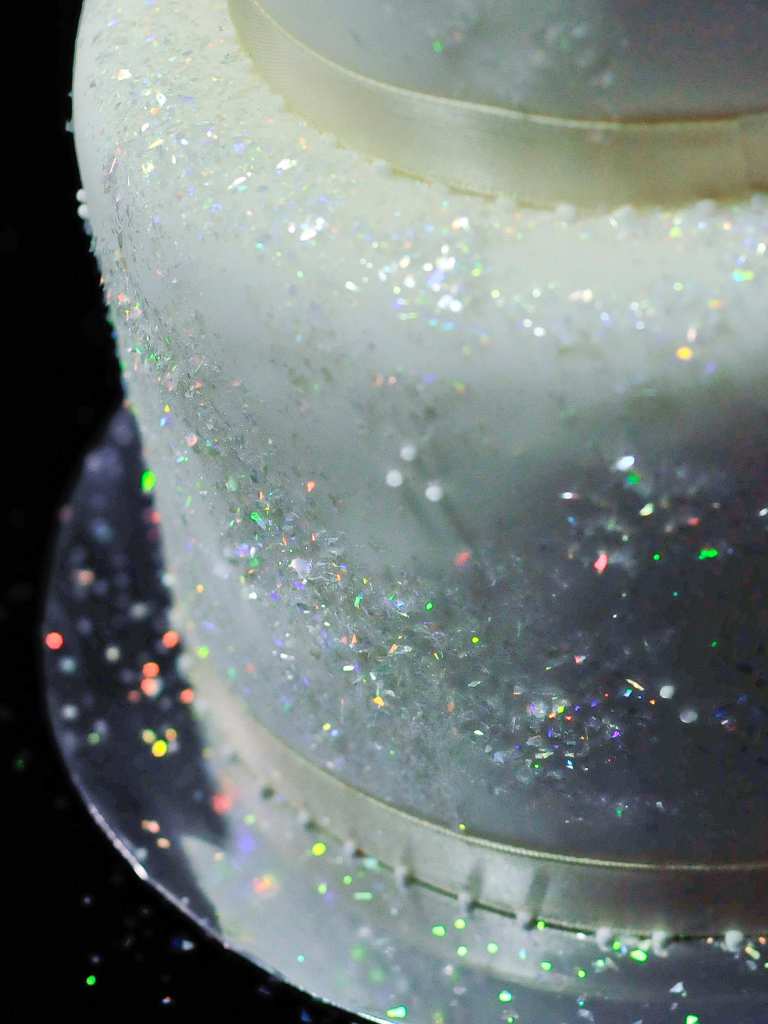
Synthetic Colours vs Natural Colours in Edible Decorations: What Bakers Should Know

You're standing in front of your baking supplies trying to figure out which food colouring to use.

Synthetic vs natural food colours. E-numbers everywhere. Warning labels that make you second-guess everything.

And that one client asking questions you can't answer.

Let's break this down, because understanding synthetic vs natural food colours isn't as complicated as it seems.

What "Natural" and "Artificial" Colourings Mean in the UK/EU

The industry loves words that sound good but mean different things.

Understanding synthetic vs natural food colours in the UK and EU means dealing with specific legal definitions.

Natural food colouring for baking comes from plants, minerals, or natural sources. Beetroot, turmeric, spirulina. These are called "colouring foods" in the EU because they're made from food ingredients.

Artificial food colouring in cakes is chemically synthesized. Made in labs. These get E-numbers.

Both can be safe. Both can be approved. But they behave totally differently when you're working with them.

How to Read Labels: E-Numbers, "Colouring Foods" and Compliance Claims

You flip over a bottle and see codes. E102. E133. What does this mean?

The debate around synthetic vs natural food colours starts with understanding labels.

E numbers food colourings are standardized codes for additives approved in the EU. If it has an E-number, it's been tested.

But not all E-numbers are synthetic. Some natural colours have them too. E100 is curcumin (turmeric). E162 is beetroot red.

"Colouring foods" on labels means plant-based colourings extracted from actual food sources.

What to look for on clean label baking products:

  • Short ingredient lists you can pronounce
  • Plant-based sources listed by name (spirulina, carrot)
  • No titanium dioxide (E171), banned in the EU
  • "Natural" or "plant-based" stated clearly

Performance in Baking: Shade, Heat, Acidity and Fade Resistance

This is where synthetic vs natural food colours really differ. Performance matters when delivering perfect cakes.

Natural food colouring for baking tends to be subtle. Earthy tones, pastels, softer shades. Want neon pink? Beetroot won't cut it.

Synthetic colours? Bright. Bold. Consistent.

Heat stable food colour facts:

Synthetic dyes handle high temperatures better. They don't fade in the oven.

Plant-based colourings can shift with heat. Anthocyanins (from berries) are pH-sensitive. Add lemon to blueberry frosting and watch it change from blue to pink.

Taste, Texture and Finish: What Changes in Buttercream, Chocolate and Glazes

Colour affects your recipe.

With artificial food colouring in cakes, you usually don't notice flavor. A few drops, done. No aftertaste. No texture changes.

Natural food colouring for baking? Sometimes you taste it. Beetroot is earthy. Turmeric brings warmth. Spirulina can be grassy.

In buttercream: Synthetic colours blend smoothly. Natural colours need more product for depth, which can thin buttercream. Adjust ratios.

In chocolate: Synthetic colours for chocolate are oil-based. Plant-based colourings are water-based, which seizes chocolate. Know before you ruin a batch.

Safety and Perception: What Regulators Say and Why Customers Ask Questions

The safety question around synthetic vs natural food colours is loaded, and customer perception drives many decisions.

Regulators in the UK and EU have approved both types. If it's legally sold, it's tested.

But perception? Different.

Food additive regulations UK EU are strict. Colours go through safety assessments. Maximum levels are set. Risk gets pulled.

Remember titanium dioxide? E171 was used for years. Studies raised genotoxicity concerns. EU banned it in 2022.

That's why customers ask for titanium dioxide free decorations. The debate around synthetic vs natural food colours isn't just about safety. It's about what feels right to customers.

Natural food colouring for baking feels safer to many. It's from plants. It's recognizable. It aligns with clean label baking.

The UK/EU Landscape: Required Warnings and Why Some Colours Raise Flags

Certain synthetic colours require warning labels in the EU.

The Southampton colours warning is the big one. Six synthetic dyes linked to hyperactivity in some children:

  • E102 (Tartrazine)
  • E104 (Quinoline Yellow)
  • E110 (Sunset Yellow)
  • E122 (Carmoisine)
  • E124 (Ponceau 4R)
  • E129 (Allura Red)

Products with these need this statement: "may have an adverse effect on activity and attention in children."

Not great for kids' cakes.

This is why plant-based colourings are gaining traction. No warnings. No parent panic.

Common Colour Sources: Anthocyanins, Turmeric, Spirulina and Caramel Tones

Anthocyanins from red cabbage, berries, purple sweet potatoes give reds, purples, blues. pH-sensitive though.

Turmeric (E100) gives yellows and golds. Warm tones. Can add slight earthy taste.

Spirulina is blue-green algae. Natural blue and green. Too much tastes like pond water.

Caramel colours range from tan to brown. Made by heating sugars. Super stable.

Beetroot gives pinks and reds. Works in icings but fades.

Plant-based colourings are concentrated vegetable and fruit extracts.

Choosing Colourings for Edible Decorations (Glitter, Flakes and Sprinkles)

When choosing colours for edible glitter, flakes, or sprinkles, think beyond shade. The choice between synthetic vs natural food colours impacts your final product differently.

For truly edible decorations:

Look for products using natural food colouring for baking. Plant-based options with short ingredient lists.

Avoid "non-toxic" products that aren't actually edible. Big difference between won't poison you and can digest.

Some decorative products use polyester-based "edible" glitters. Technically pass through your system but aren't food. They're plastic.

What to prioritize:

Clean label baking ingredients. Titanium dioxide free decorations. Heat stable food colour if applying before baking. Natural certifications (Vegan, Halal, Kosher).

The edible decoration market is shifting toward plant-based colourings. Customers ask questions. They want to know what they're eating.

Conclusion

Here's the truth about synthetic vs natural food colours that every baker should know.

Neither is inherently good or bad. Your choice between synthetic vs natural food colours depends on your priorities.

Synthetic colours give vibrant shades, consistency, heat stability. Brilliant for show-stopping cakes.

Natural food colouring for baking gives cleaner labels, no warning requirements, peace of mind. Trade-off? Subtle shades and performance quirks.

What matters is knowing what you're working with.

Read labels. Understand E numbers food colourings. Know which need Southampton warnings. Ask suppliers about sources.

When a parent asks about artificial food colouring in cakes, answer confidently.

When a bride wants titanium dioxide free decorations, know exactly which products to use.

The industry is moving toward transparency. Clean label baking is what customers expect.

You don't need to switch everything to plant-based colourings overnight. But understand the difference between synthetic vs natural food colours well enough to make informed choices.
Choose decorations that match your clean-label commitment — find out where to buy natural edible glitter free from synthetic additives.

FAQ

Are artificial food colourings safe in the UK?

Yes. Approved colours meet strict UK safety standards. The debate today is less about safety and more about brand perception and consumer preference.

Why do some colours need a hyperactivity warning?

Some synthetic colours are linked to increased hyperactivity in children, so EU law requires a warning label. Many bakers switch to natural colours to avoid this entirely.

Do natural colours fade in baking?

Often, yes. Heat, light, and pH can soften natural pigments. They perform best in buttercream and no-bake applications.

How do I get bright colours without artificial dyes?

Natural colours won’t go neon. Use concentrated powders, layer pigments, and frame softer tones as intentional, premium, and refined.

Read More >

Available In 22 Other Colours

  • Red Color Swatch

How Do I Buy?

Find Retailer here:

How much do I need?

Edible Glitter Wholesale International Shipping: Magic Sparkles Export Guide

If you are exploring Edible glitter wholesale international shipping, you are likely looking for a s...

Cake Decorating Tools: Essential Guide For Bakers (2026)

The finish on a cake tells a story before anyone takes a bite. Whether you are just beginning or ref...

High-Protein Cake Recipe For Home Bakers: Healthy, Handmade & Beautifully Decorated

If you have been searching for a high-protein cake recipe that feels indulgent yet supports your hea...

Edible Glitter Colours Bulk Order Guide For Bakeries & Cake Decorators

If you are planning your next purchase, this guide will help you make confident, cost-effective deci...

Buying Edible Glitter in Bulk: A Guide for Wholesale Bakers

Why Wholesale Bakers Buy Edible Glitter In Bulk Buying edible glitter in bulk is not just about s...

How to Fix Too Much Edible Glitter on a Cake

Why Over-Applying Edible Glitter Is a Common Mistake Knowing how to fix too much edible glitter o...

Gold vs Silver Edible Glitter: Which Colour Works Best on Different Desserts

Gold vs Silver Edible Glitter: Why The Colour Choice Matters Gold vs silver edible glitter is one...

Can You Use Edible Glitter on Savoury Food? What Actually Works

Can You Actually Use Edible Glitter on Savoury Food Yes. Edible glitter on savoury food is a real...

How to Start a Glitter Cake Business from Home: Costs, Tools and Suppliers

Why Glitter Cake Businesses Are Growing If you have been thinking about how to start a glitter ca...

Edible Glitter for Allergen-Free Baking: What to Look for on the Label

Why Allergen-Free Edible Glitter Matters for Bakers Allergen free edible glitter for baking is no...

How to Use Edible Glitter on Fresh Fruit Without Moisture Damage

Knowing how to use edible glitter on fresh fruit is one of those skills that looks deceptively simpl...

Beyond the Sparkle: Magic Sparkles Making Truly Safe Edible Glitter for Everyone

When you pick up a jar of glitter from a baking supply shop, how do you know it is actually safe to ...

How to Create Homemade Natural Edible Glitter With Simple Ingredients

Homemade edible glitter is one of those ideas that sounds complicated but is actually very approacha...

Why Edible Glitter Fades in Humid Weather (And How to Prevent It on Cakes)

Humidity above 65% RH destabilises most sugar-based glitters within hours. The shimmer that looked p...

Kids Birthday Cake Design Ideas Using Edible Glitter

There is a moment at every kid's birthday party when the cake comes out and the room goes quiet for ...

How To Keep Cake Decorations From Melting in Warm Environments

You have spent hours on a cake. The buttercream is smooth, the glitter is perfect, the fondant detai...

Using Edible Glitter on Donuts: A Step-by-Step Guide

If you have ever scrolled past a tray of shimmering, prismatic donuts and thought "how did they do t...

101: Your Guide To Magic Sparkles Edible Glitter

If you have ever stood in a baking supply aisle staring at jars of glitter wondering which one is ac...

15 Unique Ways to Use Edible Glitter In the Kitchen and Beyond

Edible glitter has transformed how we think about food presentation. It is no longer reserved for sp...

Minimalist Cake Decoration Trends to Try Now

There is something quietly powerful about restraint. In a world where maximalism once ruled, today's...

Mica vs. Cellulose vs. Plant-Based Flakes: The Truth About Edible Glitter

Most people just grab whatever glitter looks prettiest on the shelf. And that is a problem. No...

5 Stunning Ways To Make Cupcakes Sparkle Using Edible Glitter

You want to know how to make cupcakes sparkle. Not a subtle hint of shimmer. Not 'kind of glitter...

How to Use Edible Glitter in Mocktails: Dos, Don’ts & Safety Tips

Why Edible Glitter Is Transforming the Mocktail Experience You served a drink. And the table w...

Sustainable Bakery Practices: The Complete Guide to Zero-Waste Baking

Sustainable bakery practices are no longer a nice-to-have. They are what your customers are start...

10 Instagram-Worthy Cake Designs Using Magic Sparkles Edible Glitter

You've seen those cakes. The ones that stop your thumb mid-scroll. Shimmering. Prismatic. Impossi...

Cake Decorating 101: FAQs Every Baker Should Know

What Is Cake Decorating and Why Learn the Basics? You really need to hear this. Because honest...

Luxury Cake Design Trends 2026: Silver Renaissance and Architectural Majesty

Luxury cake design trends are changing fast in 2026. And honestly? If you are still working off 2...

Synthetic Colours vs Natural Colours in Edible Decorations: What Bakers Should Know

You're standing in front of your baking supplies trying to figure out which food colouring to use. ...

What Is Edible Glitter Made Of? A Complete Guide to Sparkly, Safe Cake Decorations

When you're decorating a birthday cake or adding shimmer to holiday cookies, you've probably wondere...

Edible Glitter vs Luster Dust: Which to Use for Cakes, Cookies, and Cocktails.

When you're reaching for bakery decorating supplies to add shimmer to your latest creation, the choi...

How to Store & Preserve Edible Glitter for Best Results

You've invested in premium edible glitter to create stunning cakes and desserts, but are you storing...

Best Halal and Kosher Certified Glitters for Commercial Bakeries

Running a commercial bakery means serving diverse communities with different dietary requirements. W...

Edible vs. Non-Toxic: Is Your Cake Glitter Actually Safe to Eat?

When you sprinkle sparkle onto a birthday cake, you assume it's safe to eat. But the glitter sitting...

Is Your Glitter Legal? A 2025 Guide to E171 and Clean Label Compliance

If you've been using the same edible glitter for years without checking ingredient labels lately, yo...

Why Coverage Matters More Than Cost Per Kilo in Bakery Ingredients

When comparing suppliers for your bakery, the cheapest cost per kilo bakery ingredients might seem l...

How to Apply Edible Glitter to Buttercream, Fondant, and Chocolate: A Professional Guide

Knowing the right application techniques transforms amateur-looking cakes into stunning professional...

No E171 in our Magic Sparkles

Sarah Hadland sparked controversy a decade ago on The Great British Bake-Off when she pointed out ...

How “edible” is your food glitter?

There’s a special occasion coming up: a birthday, a wedding or an anniversary and you’re plannin...

Simply sprinkle on to enhance your foods

Kim shows how you can easily enhance your food creations by using Magic Sparkles and Magic Twinkles ...

Applying to large surfaces

Expert tips by award-winning Baker, Carol Smith founder of "Cakes by Carol" In this video, Carol ...

What Is Edible Glitter Made Of? A Complete Guide to Sparkly, Safe Cake Decorations

When you're decorating a birthday cake or adding shimmer to holiday cookies, you've probably wondered: what is edible glitter made of? It's a question that matters more than you might think. 

Not all sparkly toppings are created equal, and understanding the ingredients can help you choose safe cake decorations that look stunning without compromising on safety.

Let's break down exactly what goes into that magical shimmer and why it matters for your family's health.

What edible glitter actually is and how it's classified

True edible glitter is classified as food. It's not just "non-toxic" or "food contact safe", it's an ingredient you can digest and metabolize just like sugar or flour.

When people ask what is edible glitter made of, they're often surprised to learn it's built from the same materials used in everyday foods.

The key ingredient in quality edible glitter is maltodextrin, a plant-based carbohydrate derived from corn, potato, or rice. This forms the base that creates those prismatic, jewel-like flakes.

But here's where things get confusing. The market is flooded with products labeled "edible" that are actually made from plastic.

These polyester-based glitters pass through your digestive system unchanged, they don't break down or provide nutrition. They're technically "non-toxic," but calling them food is a stretch.

Common ingredients used in edible glitter

So what is edible glitter made of when it's the real deal? The ingredient list should be short and recognizable.

Maltodextrin: This is the backbone of premium edible glitter ingredients. It's a polysaccharide (a type of carbohydrate) that dissolves in your stomach and metabolizes as food. Magic Sparkles uses pharmaceutical-grade maltodextrin to create flakes with superior light refraction, that's what gives our products their signature holographic effect.

Natural colorants: True food-safe sparkle decorations rely on plant-based pigments. These include extracts from spirulina (blue-green), beetroot (pink-red), turmeric (yellow), and purple sweet potato (violet). Some products use mineral-based colorants like iron oxide, which is FDA approved edible shimmer when processed to food-grade standards.

Modified starch: Often added to improve texture and prevent clumping in sparkly food topping products.

Gum arabic or similar binders: These natural tree resins help the flakes maintain their structure and adhesion to cake surfaces.

That's it. If you see a long list of chemicals you can't pronounce, or if the label says "polyethylene terephthalate" (plastic), you're not looking at truly edible glitter ingredients.

Why food-grade materials matter for safety

The difference between craft glitter and safe cake decorations isn't just semantic, it's biological.

Your digestive system treats real food differently than inert materials. When you consume maltodextrin-based edible glitter, enzymes in your saliva and stomach break it down into simple sugars. Your body absorbs the nutrients and eliminates waste naturally.

Plastic "edible" glitter? It travels through your entire digestive tract unchanged. While manufacturers claim these non-toxic baking glitter products are safe because they exit your system, that's not the same as being food.

Parents deserve to know what is edible glitter made of when they're serving it to children. Would you knowingly feed your kids plastic? The answer should guide your purchasing decisions.

Food-grade materials undergo rigorous testing for purity, contaminants, and biological safety. Manufacturing facilities for true edible glitter follow SALSA, BRC, or other food safety protocols. Craft glitter factories? They're held to different standards entirely.

How edible glitter differs from non-edible craft glitter

This is where understanding what is edible glitter made of becomes crucial for your family's safety.

Composition: Craft glitter is cut from sheets of polyester plastic coated with aluminum or other metals. Edible glitter uses sugar-based decorative glitter made from carbohydrates and natural colorants.

Manufacturing environment: Craft glitter is produced in facilities that may also handle toxic materials. True edible glitter ingredients are processed in food-grade facilities with contamination controls.

Particle size and shape: Craft glitter has sharp, irregular edges that can irritate digestive tissue. Quality cake decorating shimmer powder is designed with smoother edges and appropriate particle sizes for safe consumption.

Dissolution: Real edible glitter dissolves when exposed to moisture or digestive enzymes. Plastic glitter remains intact indefinitely.

Genuine edible glitter has a softer, prismatic shimmer, never the harsh metallic shine of plastic. Magic Sparkles creates a jewel-like glow as maltodextrin crystals gently refract light. The result is a finish that’s naturally more beautiful than plastic alternatives.

🧁

🎂

The Ultimate
Baking Quiz!

Test your baking knowledge and see how you rank!

🧁 5 Questions
⏱ 20 Secs
🏆 3 Ranks

Welcome to the Magic Sparkles Baking Quiz – the most fun baking quiz for UK home bakers! Whether you're just starting out or think you're a baking knowledge expert, our baking trivia questions will put you to the test. From cake decorating secrets to ingredient science, discover how much you really know. Ready to rise to the challenge? 🍰

5 questions · Instant results · Shareable score

20
Question 1 of 5 · 0%
🎂
🧁 Baking Basics
Loading...
🏆
Pro Baker
Pro Baker! Amazing baking knowledge!
0Score
0%Correct

Regulatory standards and food labeling to look for

When shopping for food-safe sparkle decorations, the label tells you everything you need to know about what is edible glitter made of.

Look for these certifications and claims:

FDA approved edible shimmer means the product meets U.S. Food and Drug Administration standards for food additives. In the UK and EU, look for compliance with Food Standards Agency (FSA) or European Food Safety Authority (EFSA) regulations.

E171-free: Titanium dioxide (E171) was banned in the EU in 2022 due to genotoxicity concerns. Quality manufacturers never used it. If a product highlights being "E171-free," that's a good sign they're staying ahead of safety regulations.

Vegan, Kosher, Halal certifications: These indicate the product contains only plant-based edible glitter ingredients and was manufactured according to strict protocols.

"Clean Label" or "Natural": While not regulated terms, they typically signal shorter ingredient lists with recognizable components.

Warning signs to avoid: Labels that say "for decoration only," "not intended for consumption," or "food contact safe" are admitting the product isn't truly edible. If the manufacturer won't commit to calling it food, why would you eat it?

How ingredient quality affects shine and texture

Not all edible glitter ingredients perform the same way. Understanding what is edible glitter made of helps explain why some products look flat and dull while others create that coveted sparkly food topping effect.

Maltodextrin quality matters. Higher-grade maltodextrin creates more uniform crystal structures, which means better light refraction and that holographic, prismatic effect. Lower-quality versions may look chalky or provide inconsistent coverage.

Particle size precision determines how the glitter catches light. Magic Sparkles produces large flake varieties for dramatic sparkle and fine dust versions (edible luster dust vs glitter) for subtle shimmer. The manufacturing process controls these particle distributions carefully.

Natural vs. synthetic colorants also impact appearance. Plant-based pigments tend to create softer, more sophisticated hues compared to synthetic FD&C dyes. They're also better aligned with clean eating trends.

The texture of your sparkly cake topping depends on these factors too. Premium products feel silky and distribute evenly. Lower-quality versions may clump, create gritty textures, or fail to adhere properly to frosting surfaces.

Related Reading: [Best Practices for Applying Edible Glitter to Cakes]

Allergen, vegan, and dietary considerations

Understanding what is edible glitter made of is essential for people with dietary restrictions or allergies.

Gluten concerns: While maltodextrin is often corn-based and naturally gluten-free, some manufacturers use wheat-derived maltodextrin. Always check labels if you're serving someone with celiac disease or gluten sensitivity.

Vegan-friendly: Most edible glitter ingredients are plant-based, but some products use shellac (derived from insects) as a coating agent. Certified vegan products guarantee no animal-derived components.

Allergen-free manufacturing: Cross-contamination is a real risk in facilities that process multiple products. Look for safe cake decorations manufactured in dedicated allergen-free environments if you're concerned about nuts, dairy, or other common allergens.

Kosher and Halal: These certifications verify that not just the edible glitter ingredients themselves, but also the equipment, processing methods, and facility cleanliness meet religious dietary laws.

Magic Sparkles products are certified vegan, kosher, and halal and manufactured in a dedicated facility in Nuneaton, UK, that maintains SALSA approval for food safety.

Color sources and how pigments are made food-safe

The vibrant hues in your cake decorating shimmer powder come from carefully selected and processed colorants.

Natural plant extracts provide most colors in quality products:

  • Reds and pinks from beetroot, carmine, or paprika
  • Yellows and golds from turmeric or annatto
  • Blues and greens from spirulina or blue spirulina
  • Purples from purple sweet potato or grape skin extract

Mineral-based pigments like iron oxides and titanium dioxide (in regions where it's still permitted) undergo purification to remove heavy metals and contaminants.

The FDA-approved edible shimmer designation means these minerals meet strict purity standards for human consumption.

Synthetic FD&C colors are permitted in the U.S. but increasingly avoided by health-conscious consumers. They're vivid and stable but don't align with "clean label" trends.

The processing method matters enormously. Food-grade pigments are milled to specific particle sizes, tested for contaminants, and combined with other edible glitter ingredients in temperature-controlled environments to prevent degradation.

How to verify if edible glitter is safe for consumption

You shouldn't have to wonder what is edible glitter made of or whether it's safe for your family. Here's how to verify before purchasing:

Read the ingredient list carefully. If you see words like "polyester," "PET," or "plastic," it's not food. Look for maltodextrin, gum arabic, natural colorants, and other recognizable edible glitter ingredients.

Check for certifications. FDA approved edible shimmer, SALSA approval, vegan certification, and other third-party verifications indicate the product has been tested and meets food safety standards.

Research the manufacturer. Do they specialize in food products? Are they transparent about their sourcing and manufacturing? 

Magic Sparkles, for example, was founded by Harish Patel, a former Cadbury engineer who invented the Creme Egg and applies food science principles to every product.

Ask direct questions. Contact customer service and ask, "Will this product dissolve in the stomach?" and "Is it manufactured in a food-grade facility?" A reputable company will answer confidently.

Test it yourself. Put a small amount on your tongue. Real food-safe sparkle decorations will begin dissolving with your saliva. Plastic glitter remains intact.

Conclusion

Understanding what is edible glitter made of empowers you to make informed choices for your family's celebrations. True edible glitter is food, made from maltodextrin, natural colorants, and other safe cake decorations that your body can digest and metabolize.

The sparkly food topping market is full of imposters: plastic glitters labeled "non-toxic" that pass through your system unchanged. These products prey on consumer confusion between "edible" and "safe to ingest."

Choose products with transparent ingredient lists, relevant certifications like FDA approved edible shimmer or SALSA approval, and manufacturers who prioritize food safety. 

Your cakes will look just as stunning, actually, more stunning with that prismatic, jewel-like effect and you'll have peace of mind knowing every ingredient is truly food.

Magic Sparkles products are formulated by food scientists, manufactured in certified facilities, and made from 100% edible glitter ingredients including pharmaceutical-grade maltodextrin and natural plant-based colorants. No plastics. No titanium dioxide. No compromises.

Because when you're celebrating life's special moments, you deserve safe cake decorations that sparkle with both beauty and integrity.

Now that you know what goes into truly edible glitter, find out where to buy edible glitter made from food-grade ingredients.

FAQ's

Can you eat the sparkles on birthday cakes?

Only if they're made from truly edible glitter ingredients like maltodextrin and natural colorants. Many "edible" sparkles are actually plastic polyester that's technically "non-toxic" but not food. Always check labels for what is edible glitter made of before serving to guests, especially children.

Is the shimmer on cupcakes safe for kids?

It depends entirely on what is edible glitter made of. FDA approved edible shimmer products made from sugar-based decorative glitter are perfectly safe.
However, plastic-based glitters labeled "for decoration only" should be removed before eating. Magic Sparkles products are genuinely edible and safe for all ages.

Does cake glitter contain real metal?

No. While some cake decorating shimmer powder uses food-grade mineral pigments like iron oxide to create metallic colors, these are processed to be safe for consumption. The shimmer effect comes from light refraction through maltodextrin crystals, not actual metal flakes.

Will decorative sparkles dissolve in your mouth?

Real food-safe sparkle decorations will begin dissolving when exposed to saliva and fully metabolize in your digestive system. Plastic "edible" glitters remain intact and pass through unchanged, a key indicator they're not truly food.

Are all sparkly cake toppings actually edible?

Absolutely not. Many products marketed as sparkly food toppings are plastic-based and labeled "non-toxic" rather than edible. Understanding what is edible glitter made of and demanding transparency from manufacturers is essential for choosing safe cake decorations.

Read More >

Available In 22 Other Colours

  • Red Color Swatch

How Do I Buy?

Find Retailer here:

How much do I need?

Edible Glitter Wholesale International Shipping: Magic Sparkles Export Guide

If you are exploring Edible glitter wholesale international shipping, you are likely looking for a s...

Cake Decorating Tools: Essential Guide For Bakers (2026)

The finish on a cake tells a story before anyone takes a bite. Whether you are just beginning or ref...

High-Protein Cake Recipe For Home Bakers: Healthy, Handmade & Beautifully Decorated

If you have been searching for a high-protein cake recipe that feels indulgent yet supports your hea...

Edible Glitter Colours Bulk Order Guide For Bakeries & Cake Decorators

If you are planning your next purchase, this guide will help you make confident, cost-effective deci...

Buying Edible Glitter in Bulk: A Guide for Wholesale Bakers

Why Wholesale Bakers Buy Edible Glitter In Bulk Buying edible glitter in bulk is not just about s...

How to Fix Too Much Edible Glitter on a Cake

Why Over-Applying Edible Glitter Is a Common Mistake Knowing how to fix too much edible glitter o...

Gold vs Silver Edible Glitter: Which Colour Works Best on Different Desserts

Gold vs Silver Edible Glitter: Why The Colour Choice Matters Gold vs silver edible glitter is one...

Can You Use Edible Glitter on Savoury Food? What Actually Works

Can You Actually Use Edible Glitter on Savoury Food Yes. Edible glitter on savoury food is a real...

How to Start a Glitter Cake Business from Home: Costs, Tools and Suppliers

Why Glitter Cake Businesses Are Growing If you have been thinking about how to start a glitter ca...

Edible Glitter for Allergen-Free Baking: What to Look for on the Label

Why Allergen-Free Edible Glitter Matters for Bakers Allergen free edible glitter for baking is no...

How to Use Edible Glitter on Fresh Fruit Without Moisture Damage

Knowing how to use edible glitter on fresh fruit is one of those skills that looks deceptively simpl...

Beyond the Sparkle: Magic Sparkles Making Truly Safe Edible Glitter for Everyone

When you pick up a jar of glitter from a baking supply shop, how do you know it is actually safe to ...

How to Create Homemade Natural Edible Glitter With Simple Ingredients

Homemade edible glitter is one of those ideas that sounds complicated but is actually very approacha...

Why Edible Glitter Fades in Humid Weather (And How to Prevent It on Cakes)

Humidity above 65% RH destabilises most sugar-based glitters within hours. The shimmer that looked p...

Kids Birthday Cake Design Ideas Using Edible Glitter

There is a moment at every kid's birthday party when the cake comes out and the room goes quiet for ...

How To Keep Cake Decorations From Melting in Warm Environments

You have spent hours on a cake. The buttercream is smooth, the glitter is perfect, the fondant detai...

Using Edible Glitter on Donuts: A Step-by-Step Guide

If you have ever scrolled past a tray of shimmering, prismatic donuts and thought "how did they do t...

101: Your Guide To Magic Sparkles Edible Glitter

If you have ever stood in a baking supply aisle staring at jars of glitter wondering which one is ac...

15 Unique Ways to Use Edible Glitter In the Kitchen and Beyond

Edible glitter has transformed how we think about food presentation. It is no longer reserved for sp...

Minimalist Cake Decoration Trends to Try Now

There is something quietly powerful about restraint. In a world where maximalism once ruled, today's...

Mica vs. Cellulose vs. Plant-Based Flakes: The Truth About Edible Glitter

Most people just grab whatever glitter looks prettiest on the shelf. And that is a problem. No...

5 Stunning Ways To Make Cupcakes Sparkle Using Edible Glitter

You want to know how to make cupcakes sparkle. Not a subtle hint of shimmer. Not 'kind of glitter...

How to Use Edible Glitter in Mocktails: Dos, Don’ts & Safety Tips

Why Edible Glitter Is Transforming the Mocktail Experience You served a drink. And the table w...

Sustainable Bakery Practices: The Complete Guide to Zero-Waste Baking

Sustainable bakery practices are no longer a nice-to-have. They are what your customers are start...

10 Instagram-Worthy Cake Designs Using Magic Sparkles Edible Glitter

You've seen those cakes. The ones that stop your thumb mid-scroll. Shimmering. Prismatic. Impossi...

Cake Decorating 101: FAQs Every Baker Should Know

What Is Cake Decorating and Why Learn the Basics? You really need to hear this. Because honest...

Luxury Cake Design Trends 2026: Silver Renaissance and Architectural Majesty

Luxury cake design trends are changing fast in 2026. And honestly? If you are still working off 2...

Synthetic Colours vs Natural Colours in Edible Decorations: What Bakers Should Know

You're standing in front of your baking supplies trying to figure out which food colouring to use. ...

What Is Edible Glitter Made Of? A Complete Guide to Sparkly, Safe Cake Decorations

When you're decorating a birthday cake or adding shimmer to holiday cookies, you've probably wondere...

Edible Glitter vs Luster Dust: Which to Use for Cakes, Cookies, and Cocktails.

When you're reaching for bakery decorating supplies to add shimmer to your latest creation, the choi...

How to Store & Preserve Edible Glitter for Best Results

You've invested in premium edible glitter to create stunning cakes and desserts, but are you storing...

Best Halal and Kosher Certified Glitters for Commercial Bakeries

Running a commercial bakery means serving diverse communities with different dietary requirements. W...

Edible vs. Non-Toxic: Is Your Cake Glitter Actually Safe to Eat?

When you sprinkle sparkle onto a birthday cake, you assume it's safe to eat. But the glitter sitting...

Is Your Glitter Legal? A 2025 Guide to E171 and Clean Label Compliance

If you've been using the same edible glitter for years without checking ingredient labels lately, yo...

Why Coverage Matters More Than Cost Per Kilo in Bakery Ingredients

When comparing suppliers for your bakery, the cheapest cost per kilo bakery ingredients might seem l...

How to Apply Edible Glitter to Buttercream, Fondant, and Chocolate: A Professional Guide

Knowing the right application techniques transforms amateur-looking cakes into stunning professional...

No E171 in our Magic Sparkles

Sarah Hadland sparked controversy a decade ago on The Great British Bake-Off when she pointed out ...

How “edible” is your food glitter?

There’s a special occasion coming up: a birthday, a wedding or an anniversary and you’re plannin...

Simply sprinkle on to enhance your foods

Kim shows how you can easily enhance your food creations by using Magic Sparkles and Magic Twinkles ...

Applying to large surfaces

Expert tips by award-winning Baker, Carol Smith founder of "Cakes by Carol" In this video, Carol ...
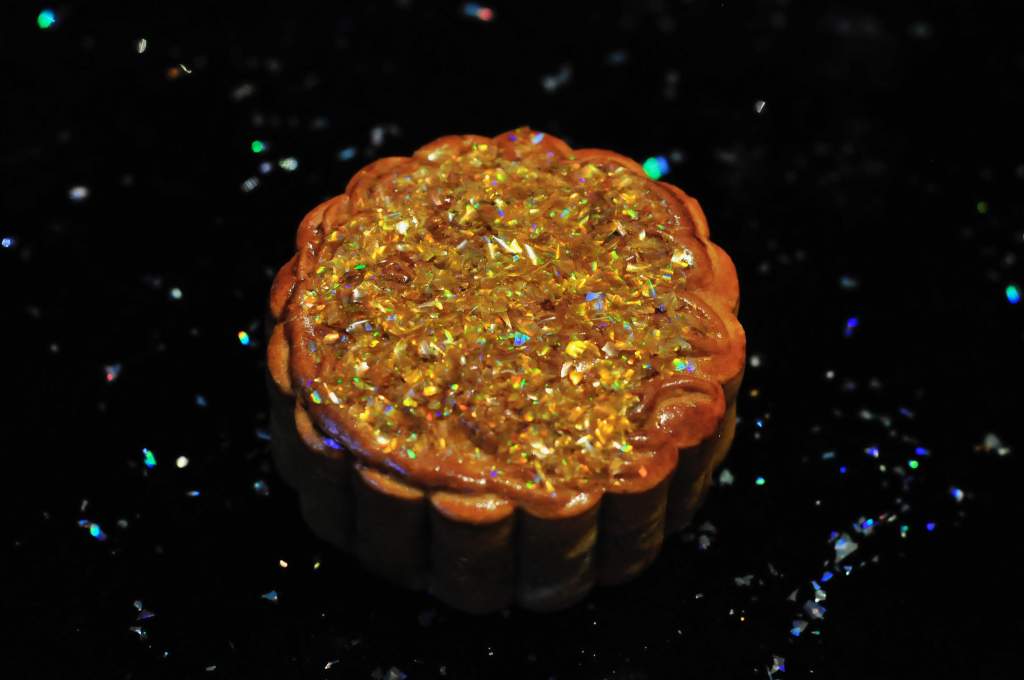
Edible Glitter vs Luster Dust: Which to Use for Cakes, Cookies, and Cocktails.

When you're reaching for bakery decorating supplies to add shimmer to your latest creation, the choice between edible glitter vs luster dust can feel confusing. Both promise sparkle, but they deliver dramatically different effects and knowing which to use can make or break your design.

Whether you're finishing a wedding cake, decorating sugar cookies, or rimming champagne flutes, understanding the edible glitter vs luster dust debate helps you achieve professional results every time. Let's break down exactly when to reach for each product.

What edible glitter is used for in food decoration

Edible glitter creates bold, prismatic sparkle that catches light from every angle. Think jewel-like flakes that shimmer as your cake rotates or guests move around the table.

True edible glitter is made from maltodextrin, a plant-based carbohydrate that dissolves in your stomach just like any other food. 

Quality products like Magic Sparkles use pharmaceutical-grade maltodextrin combined with natural plant-based colorants to create those gorgeous holographic effects.

You'll reach for edible glitter when you want drama and dimension. It's perfect for:

  • Birthday cakes that need that "wow" factor for Instagram photos
  • Wedding cakes where light refraction creates romance
  • Cake pops and donuts where coverage needs to be visible from a distance
  • Prosecco and cocktails where floating sparkle adds celebration

The larger particle size means edible glitter doesn't disappear into your frosting, it sits on top, reflecting light and creating movement. This makes it ideal when sparkle powder for cocktails or eye-catching cake decorations are your priority.

What luster dust is and how it's typically applied

Luster dust takes a completely different approach. This ultra-fine powder creates subtle shimmer rather than obvious sparkle, think elegant sheen instead of disco ball.

When comparing edible glitter vs luster dust, the particle size difference is everything. Luster dust is milled to an almost powdery consistency, which means it adheres differently and creates softer visual effects.

Luster dust works by coating surfaces with a thin layer of shimmer. It's commonly applied:

  • Dry brushing onto fondant, gum paste flowers, or chocolate
  • Mixed with clear alcohol (vodka or lemon extract) to paint metallic finishes
  • Dusted lightly over royal icing for subtle gleam
  • Airbrushed when mixed with appropriate solutions for even coverage

Professional bakers love luster dust for cookies because it creates that painted, hand-finished look you see in boutique bakeries. It's also the go-to choice for realistic sugar flowers where petals need natural-looking shimmer.

Key differences in ingredients and finish

The edible glitter vs luster dust conversation starts with understanding what these food grade sparkle products are actually made of.

Edible glitter ingredients:

  • Maltodextrin base (carbohydrate from corn, potato, or rice)
  • Natural plant-based colorants
  • Modified starches for structure
  • Gum arabic or similar natural binders

Luster dust composition:

  • Mica-based minerals or food-grade pigments
  • Titanium dioxide (in regions where permitted)
  • Iron oxides and other approved colorants
  • Extremely fine particle size for smooth application

The finish these ingredients create differs significantly. Edible glitter gives you prismatic, holographic sparkle with visible flakes that catch light dramatically. Luster dust provides a metallic sheen or pearlescent glow that looks more like it's part of the surface itself.

Think of it this way: edible glitter says, "Look at me!" while luster dust whispers, "Notice my elegance."

Disco Dust vs Pearl Dust: The Real Difference

Disco dust delivers an intense, mirror-like sparkle but it’s plastic, not food, despite being labeled “non-toxic.” Many decorators avoid it, especially for cakes meant to be eaten.

Pearl dust, on the other hand, is food-grade and designed for a soft, iridescent glow. Made for elegance, not drama, it adds a refined, pearlescent finish.

The choice is simple: pearl dust is genuinely edible; disco dust is not. When safety and intention matter, always choose food-safe beauty.

How each performs on cakes and cupcakes

When you're deciding between edible glitter vs luster dust for cakes, consider your frosting type and desired effect.

For buttercream frosting:

The best shimmer for buttercream is typically edible glitter. Buttercream's soft, textured surface gives glitter flakes something to nestle into while still allowing them to catch light. Simply sprinkle over freshly frosted cakes and watch the magic happen.

Luster dust on buttercream requires more finesse. You'll need to mix it with clear alcohol or extract to create a paint-like consistency, then brush it on for metallic cake finish techniques. The powder alone tends to get absorbed into buttercream's moisture.

For fondant-covered cakes:

This is where luster dust truly shines. The smooth, dry surface of fondant is perfect for dry brushing luster dust to create seamless metallic effects. You can achieve rose gold, champagne, or copper finishes that look professionally airbrushed.

Edible glitter works on fondant too, but creates a different look, more like scattered jewels than an all-over glow. Both are valid choices depending on your cake decorating shimmer comparison needs and design vision.

Using edible glitter and luster dust on cookies

Sugar cookies are where understanding edible glitter vs luster dust becomes essential for achieving your exact vision.

Luster dust for cookies dominates professional bakeries because of the control it offers. After your royal icing dries completely, you can:

  • Dry brush luster dust across raised details for dimension
  • Mix with alcohol to hand-paint intricate designs
  • Layer different luster dust colors for depth
  • Create ombré effects by blending shades

The fine texture means luster dust doesn't add grittiness to your bite, it's purely visual enhancement.

Edible glitter on cookies creates bolder, more playful effects. It's perfect for:

  • Children's birthday cookies where sparkle needs to be obvious
  • Holiday cookies (think Christmas trees or New Year's celebrations)
  • Cookies destined for photos where light reflection matters
  • Quick decoration when you don't have time for detailed painting

Sprinkle edible glitter onto wet royal icing or flood icing, and it adheres as the surface dries. The result? Cookies that sparkle from across the room.

Suitability for cocktails and drink rims

The edible glitter vs luster dust debate takes an interesting turn when we talk about beverages.

Sparkle powder for cocktails? Edible glitter wins decisively.

Real maltodextrin-based edible glitter is designed to interact with liquids. When you drop flakes into prosecco, champagne, or cocktails, they create swirling, shimmering effects as they slowly dissolve. It's Instagram gold and adds theatrical flair to celebrations.

Luster dust is not suitable for drinks. The mica-based particles don't dissolve properly and can create unpleasant texture. While some bartenders use "disco dust" (a type of sparkle product), true luster dust belongs on solid foods only.

For cocktail rim glitter alternatives, you have options:

  • Edible glitter mixed with sugar creates sparkly rims that taste good and look stunning
  • Sanding sugar provides texture and subtle shimmer without large flakes
  • Food-grade pearl dust (a cousin of luster dust) offers gentle gleam

Magic Sparkles' edible glitter is specifically formulated to be safe in beverages, it dissolves naturally and metabolizes as food. Never compromise on food-safe decorative options when guests will be consuming your creations.

Dry application vs liquid mixing for both products

The application method dramatically impacts your results when comparing edible glitter vs luster dust.

Edible glitter application methods:

Dry sprinkling: Shake or sprinkle directly onto wet surfaces like buttercream, ganache, or flood icing. The flakes adhere as moisture evaporates. This is the most common method and requires minimal skill.

Mixed into liquids: Add to clear beverages, simple syrup, or even clear piping gel for sparkly drips. Edible glitter maintains its structure while creating dynamic visual effects.

Luster dust application methods:

Dry brushing: Load a soft brush with powder and sweep across dry surfaces. This creates subtle, buildable shimmer, perfect for metallic cake finish techniques on fondant or chocolate.

Alcohol mixing: Combine luster dust with vodka, lemon extract, or rose water to create edible paint. As the alcohol evaporates, you're left with a smooth metallic coating. This is how bakers achieve that hand-painted pottery look.

Airbrushing: Professional bakers mix luster dust with appropriate solutions for even, all-over metallic coverage using airbrush equipment.

The moisture sensitivity matters. Edible glitter tolerates wet environments. Luster dust performs best when applied to completely dry surfaces or mixed intentionally with minimal liquid.

Food safety and labeling differences

Understanding food safety is crucial when evaluating edible glitter vs luster dust from reputable bakery decorating supplies sources.

Edible glitter food safety:

True edible glitter made from maltodextrin is genuine food. It should carry certifications like:

  • FDA approved for food use
  • Vegan, kosher, halal certifications
  • Clean label or natural ingredient claims
  • SALSA or BRC approval for manufacturing facilities

Warning: many products called "edible glitter" are actually plastic polyester labeled "non-toxic." These pass through your digestive system unchanged, technically safe but definitely not food.

Luster dust food safety:

Quality luster dust contains food-grade mica and approved colorants. However, labeling can be confusing:

  • Some luster dusts are labeled "non-toxic" rather than edible
  • Certain metallic finishes may say "for decoration only"
  • The finest quality products specify they're made from food grade sparkle products

Always verify your food-safe decorative options meet actual food standards, not just craft supply standards. Magic Sparkles maintains transparency about every ingredient and manufacturing process.

Choosing the right option based on the final look

Your design vision should drive your edible glitter vs luster dust decision.

Choose edible glitter when you want:

  • Dramatic, eye-catching sparkle visible from a distance
  • Prismatic, holographic effects that shift in different lighting
  • Sparkle that moves or swirls in beverages
  • Bold coverage on textured surfaces like buttercream
  • Quick application without mixing or painting

Choose luster dust when you want:

  • Subtle, sophisticated shimmer
  • Smooth metallic finishes that look painted on
  • Realistic effects on sugar flowers or decorative elements
  • Professional bakery-quality detailing on cookies
  • Dimensional shading and highlighting on fondant

For many projects, using both strategically creates the best results. Apply luster dust for base metallic tones, then add edible glitter accents for pops of drama. Understanding this cake decorating shimmer comparison helps you layer effects like a professional.

Conclusion

The edible glitter vs luster dust debate isn't about which product is better, it's about which serves your specific creative vision. Edible glitter delivers bold, prismatic sparkle perfect for cakes, cookies, and cocktails where you want unmistakable shimmer.

 Luster dust creates elegant, subtle metallic finishes ideal for sophisticated designs and detailed decorative work.

Understanding the cake decorating shimmer comparison between these food grade sparkle products empowers you to choose confidently. Consider your application surface, desired finish, and whether you need the best shimmer for buttercream or luster dust for cookies.

Magic Sparkles offers truly edible glitter made from pharmaceutical-grade maltodextrin and natural plant-based colorants, never plastic, never titanium dioxide. Our products are certified vegan, kosher, and halal, manufactured in SALSA-approved facilities where food safety isn't negotiable.

Whether you're exploring cocktail rim glitter alternatives or mastering metallic cake finish techniques, investing in food-safe decorative options from reputable bakery decorating supplies sources protects your family and elevates your creations.

Choose products you can trust. Create beauty without compromise. Let your desserts sparkle with both glamour and integrity.

Whichever finish you choose, find out where to buy edible glitter and luster dust from a certified, compliant supplier.

FAQ's

Which sparkle works better on fondant?

Luster dust typically performs better on fondant because its ultra-fine particles adhere smoothly to the dry surface, creating seamless metallic finishes. When comparing edible glitter vs luster dust for fondant, luster dust wins for all-over coverage, while edible glitter excels for accent sparkle and dimensional effects.

Can I use shimmer powder in drinks?

Only true edible glitter made from maltodextrin is safe and effective in beverages. Luster dust and disco dust vs pearl dust products are not suitable for cocktails, they don't dissolve properly and can create unpleasant texture. Always verify your sparkle powder for cocktails is genuinely food-grade, not just "non-toxic."

Does one type stick better to frosting than the other?

Edible glitter adheres excellently to wet frosting surfaces and is the best shimmer for buttercream applications. Luster dust requires dry surfaces or must be mixed with alcohol to paint onto frosting. The edible glitter vs luster dust choice for frosting depends on whether you want sprinkle-on ease or painted precision.

Which gives a more metallic finish on cookies?

Luster dust for cookies creates superior metallic finishes because you can mix it with alcohol to paint smooth, mirror-like coatings on royal icing. Edible glitter provides sparkle rather than true metallic shine. For professional metallic cake finish techniques on cookies, luster dust is the industry standard.

Are they interchangeable in recipes?

No. When evaluating edible glitter vs luster dust, they serve different purposes and aren't interchangeable. Edible glitter creates visible sparkle and works in liquids. Luster dust provides subtle shimmer and metallic coatings. Using food-safe decorative options correctly means understanding which food grade sparkle products suit your specific application.

Read More >

Available In 22 Other Colours

  • Red Color Swatch

How Do I Buy?

Find Retailer here:

How much do I need?

Edible Glitter Wholesale International Shipping: Magic Sparkles Export Guide

If you are exploring Edible glitter wholesale international shipping, you are likely looking for a s...

Cake Decorating Tools: Essential Guide For Bakers (2026)

The finish on a cake tells a story before anyone takes a bite. Whether you are just beginning or ref...

High-Protein Cake Recipe For Home Bakers: Healthy, Handmade & Beautifully Decorated

If you have been searching for a high-protein cake recipe that feels indulgent yet supports your hea...

Edible Glitter Colours Bulk Order Guide For Bakeries & Cake Decorators

If you are planning your next purchase, this guide will help you make confident, cost-effective deci...

Buying Edible Glitter in Bulk: A Guide for Wholesale Bakers

Why Wholesale Bakers Buy Edible Glitter In Bulk Buying edible glitter in bulk is not just about s...

How to Fix Too Much Edible Glitter on a Cake

Why Over-Applying Edible Glitter Is a Common Mistake Knowing how to fix too much edible glitter o...

Gold vs Silver Edible Glitter: Which Colour Works Best on Different Desserts

Gold vs Silver Edible Glitter: Why The Colour Choice Matters Gold vs silver edible glitter is one...

Can You Use Edible Glitter on Savoury Food? What Actually Works

Can You Actually Use Edible Glitter on Savoury Food Yes. Edible glitter on savoury food is a real...

How to Start a Glitter Cake Business from Home: Costs, Tools and Suppliers

Why Glitter Cake Businesses Are Growing If you have been thinking about how to start a glitter ca...

Edible Glitter for Allergen-Free Baking: What to Look for on the Label

Why Allergen-Free Edible Glitter Matters for Bakers Allergen free edible glitter for baking is no...

How to Use Edible Glitter on Fresh Fruit Without Moisture Damage

Knowing how to use edible glitter on fresh fruit is one of those skills that looks deceptively simpl...

Beyond the Sparkle: Magic Sparkles Making Truly Safe Edible Glitter for Everyone

When you pick up a jar of glitter from a baking supply shop, how do you know it is actually safe to ...

How to Create Homemade Natural Edible Glitter With Simple Ingredients

Homemade edible glitter is one of those ideas that sounds complicated but is actually very approacha...

Why Edible Glitter Fades in Humid Weather (And How to Prevent It on Cakes)

Humidity above 65% RH destabilises most sugar-based glitters within hours. The shimmer that looked p...

Kids Birthday Cake Design Ideas Using Edible Glitter

There is a moment at every kid's birthday party when the cake comes out and the room goes quiet for ...

How To Keep Cake Decorations From Melting in Warm Environments

You have spent hours on a cake. The buttercream is smooth, the glitter is perfect, the fondant detai...

Using Edible Glitter on Donuts: A Step-by-Step Guide

If you have ever scrolled past a tray of shimmering, prismatic donuts and thought "how did they do t...

101: Your Guide To Magic Sparkles Edible Glitter

If you have ever stood in a baking supply aisle staring at jars of glitter wondering which one is ac...

15 Unique Ways to Use Edible Glitter In the Kitchen and Beyond

Edible glitter has transformed how we think about food presentation. It is no longer reserved for sp...

Minimalist Cake Decoration Trends to Try Now

There is something quietly powerful about restraint. In a world where maximalism once ruled, today's...

Mica vs. Cellulose vs. Plant-Based Flakes: The Truth About Edible Glitter

Most people just grab whatever glitter looks prettiest on the shelf. And that is a problem. No...

5 Stunning Ways To Make Cupcakes Sparkle Using Edible Glitter

You want to know how to make cupcakes sparkle. Not a subtle hint of shimmer. Not 'kind of glitter...

How to Use Edible Glitter in Mocktails: Dos, Don’ts & Safety Tips

Why Edible Glitter Is Transforming the Mocktail Experience You served a drink. And the table w...

Sustainable Bakery Practices: The Complete Guide to Zero-Waste Baking

Sustainable bakery practices are no longer a nice-to-have. They are what your customers are start...

10 Instagram-Worthy Cake Designs Using Magic Sparkles Edible Glitter

You've seen those cakes. The ones that stop your thumb mid-scroll. Shimmering. Prismatic. Impossi...

Cake Decorating 101: FAQs Every Baker Should Know

What Is Cake Decorating and Why Learn the Basics? You really need to hear this. Because honest...

Luxury Cake Design Trends 2026: Silver Renaissance and Architectural Majesty

Luxury cake design trends are changing fast in 2026. And honestly? If you are still working off 2...

Synthetic Colours vs Natural Colours in Edible Decorations: What Bakers Should Know

You're standing in front of your baking supplies trying to figure out which food colouring to use. ...

What Is Edible Glitter Made Of? A Complete Guide to Sparkly, Safe Cake Decorations

When you're decorating a birthday cake or adding shimmer to holiday cookies, you've probably wondere...

Edible Glitter vs Luster Dust: Which to Use for Cakes, Cookies, and Cocktails.

When you're reaching for bakery decorating supplies to add shimmer to your latest creation, the choi...

How to Store & Preserve Edible Glitter for Best Results

You've invested in premium edible glitter to create stunning cakes and desserts, but are you storing...

Best Halal and Kosher Certified Glitters for Commercial Bakeries

Running a commercial bakery means serving diverse communities with different dietary requirements. W...

Edible vs. Non-Toxic: Is Your Cake Glitter Actually Safe to Eat?

When you sprinkle sparkle onto a birthday cake, you assume it's safe to eat. But the glitter sitting...

Is Your Glitter Legal? A 2025 Guide to E171 and Clean Label Compliance

If you've been using the same edible glitter for years without checking ingredient labels lately, yo...

Why Coverage Matters More Than Cost Per Kilo in Bakery Ingredients

When comparing suppliers for your bakery, the cheapest cost per kilo bakery ingredients might seem l...

How to Apply Edible Glitter to Buttercream, Fondant, and Chocolate: A Professional Guide

Knowing the right application techniques transforms amateur-looking cakes into stunning professional...

No E171 in our Magic Sparkles

Sarah Hadland sparked controversy a decade ago on The Great British Bake-Off when she pointed out ...

How “edible” is your food glitter?

There’s a special occasion coming up: a birthday, a wedding or an anniversary and you’re plannin...

Simply sprinkle on to enhance your foods

Kim shows how you can easily enhance your food creations by using Magic Sparkles and Magic Twinkles ...

Applying to large surfaces

Expert tips by award-winning Baker, Carol Smith founder of "Cakes by Carol" In this video, Carol ...