How to Store & Preserve Edible Glitter for Best Results

You've invested in premium edible glitter to create stunning cakes and desserts, but are you storing it correctly?

Proper storage practices make the difference between products that maintain their prismatic sparkle for years and those that clump, fade, or lose their magic within months.

Whether you're a home baker with a few containers or a professional running a commercial kitchen, these storage practices will help you get maximum value from your bakery ingredient preservation efforts. Let's ensure your sparkle stays spectacular.

Why proper storage matters for edible glitter

Understanding storage requirements starts with knowing what these products are made of.

Quality edible glitter like Magic Sparkles is manufactured from maltodextrin, a plant-based carbohydrate that's hygroscopic, meaning it naturally attracts and absorbs moisture from the air.

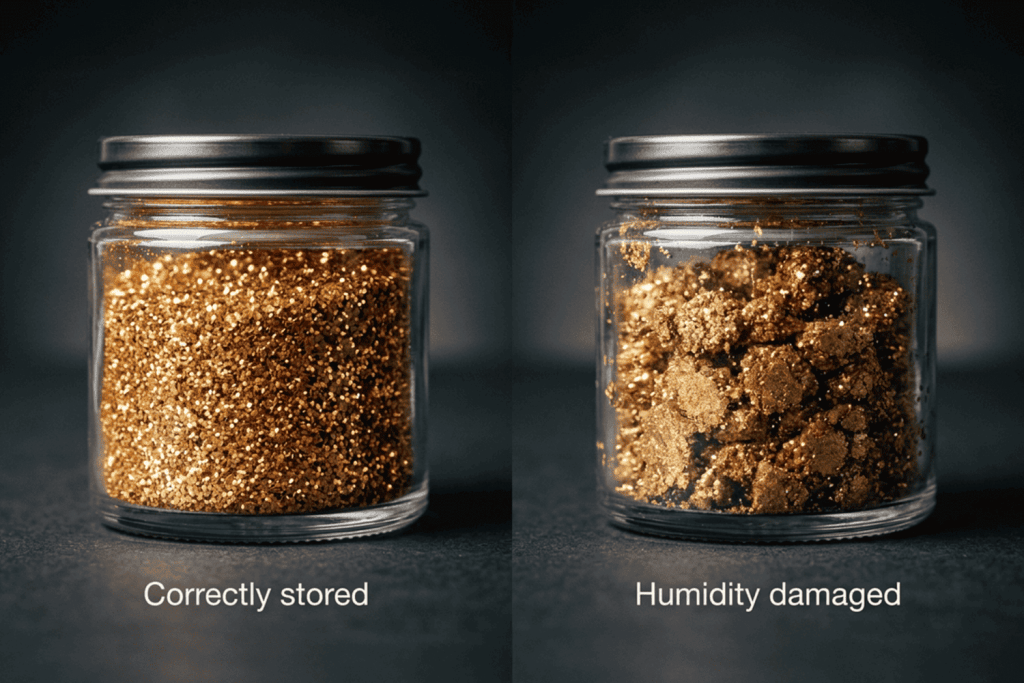
When exposed to humidity, these delicate crystals can stick together, lose their prismatic effect, or even dissolve partially.

Improper storage leads to:

Quality degradation: The holographic, jewel-like refraction that makes edible glitter special depends on intact crystal structure. Moisture disrupts this structure, creating a dull, clumped product instead of individual sparkling flakes.

Wasted money: Premium edible glitter isn't cheap. A ruined container because of poor storage practices means literally throwing money away.

Contamination risks: Edible products require food-safe handling. Poor storage exposes your glitter to airborne contaminants, foreign particles, or cross-contamination from other ingredients.

Inconsistent results: Clumped or degraded glitter won't distribute evenly on cakes, won't create the visual impact you expect, and can ruin otherwise perfect creations.

Professional bakers know that proper storage for cake decorations isn't optional; it's essential for consistent, professional results every single time.

Ideal temperature and humidity conditions

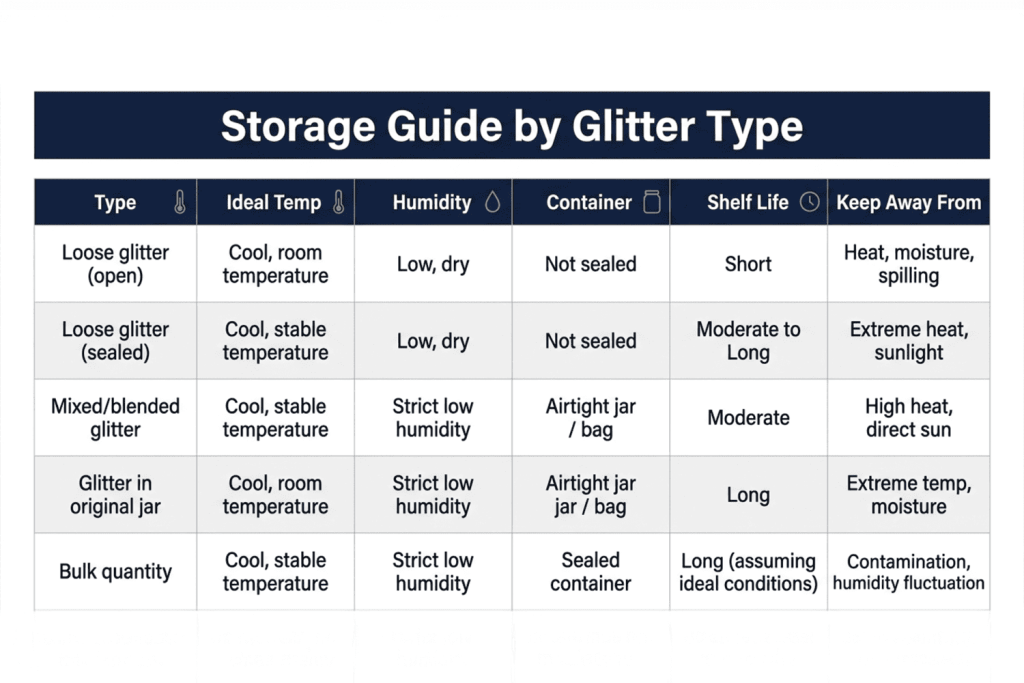
The environment where you keep your supplies dramatically impacts edible glitter shelf life and performance.

Temperature requirements:

Store edible glitter at cool room temperature, ideally between 60-75°F (15-24°C). Avoid temperature fluctuations that cause condensation inside containers.

Never refrigerate or freeze edible glitter. Cold storage seems logical for food products, but the temperature differential when you remove containers causes moisture to condense on the product surface. This defeats the entire purpose of humidity-proof sparkle storage efforts.

Heat isn't ideal either. Temperatures above 80°F (27°C) can cause certain natural colorants to degrade faster, affecting vibrancy over time.

Humidity control:

This is critical. Relative humidity should stay below 60% in your storage area. Above this threshold, moisture absorption accelerates exponentially.

In humid climates or during summer months, consider:

  • Using dehumidifiers in your storage area
  • Adding food-safe silica gel packets to containers
  • Storing products in climate-controlled rooms away from kitchens where steam and heat fluctuate

The UK's naturally humid climate makes this especially important for extending decorative powder lifespan. Magic Sparkles products are manufactured in Nuneaton with this in mind, but proper storage remains your responsibility once containers are opened.

Choosing the right containers for storage

Your container choice is fundamental to how to keep sparkle powder fresh long-term.

Original packaging considerations:

Magic Sparkles containers are designed specifically for maintaining freshness. They feature:

  • Screw-top lids that create reliable seals
  • Food-grade plastic that doesn't leach chemicals
  • Opaque materials that protect from light exposure
  • Appropriate sizes that minimize air space

Keep products in original containers whenever possible. Transferring to decorative jars might look prettier, but it often compromises storage quality.

If transferring is necessary, use:

  • Airtight container for baking supplies with genuine seals, not just snap-on lids. Look for containers with rubber gaskets that create true moisture barriers.
  • Glass jars with metal clamp closures work well for small quantities you use frequently. The weight makes them impractical for larger volumes.
  • Food-grade plastic containers specifically designed for dry ingredient storage. These often have better seals than general-purpose containers.

Avoid metal containers that can react with natural colorants. Never use containers that previously held non-food items; even if thoroughly washed, residual odors or chemicals can contaminate edible products.

Protecting glitter from moisture and contamination

Moisture is the primary enemy of long-lasting sparkle, but contamination poses equally serious risks.

Preventing clumping in decorative dust:

Moisture causes maltodextrin crystals to bond together. Once this happens, you can't simply shake containers to separate particles; the bonds are permanent.

Prevention strategies:

  • Never use wet utensils to scoop glitter. Even slightly damp spoons introduce enough moisture to cause localized clumping.
  • Close containers immediately after each use. Every second of air exposure increases moisture absorption.
  • Don't work over steaming cakes with open containers. Steam rises and settles on products faster than you'd imagine.
  • Consider silica gel packets for long-term storage, especially in humid climates.

Contamination prevention:

Edible glitter is food. Treat it with the same respect you give flour, sugar, or any ingredient that goes into someone's mouth.

Dedicated scoops or spoons for each color prevent cross-contamination of shades. Never dip fingers directly into containers; skin oils introduce moisture and bacteria.

Clean, dry workspace when handling products. Flour dust, cocoa powder, or other airborne particles can settle into open containers.

Proper storage for cake decorations means keeping them separate from raw ingredients or anything that could introduce allergens if you serve allergen-free products.
Shelf life and signs of quality loss

Understanding food-safe glitter expiration helps you recognize when products are past their prime.

Typical edible glitter shelf life:

Unopened containers stored correctly last 2-3 years or more. The maltodextrin base is remarkably stable when protected from moisture.

Opened containers maintain peak quality for 12-18 months when stored according to these guidelines.

Magic Sparkles prints manufacturing dates on containers. While there's no hard expiration date for properly stored products, we recommend using opened containers within two years for optimal visual impact.

Signs your glitter has degraded:

Clumping: Individual flakes stick together in chunks rather than flowing freely. This is the most obvious indicator of moisture exposure.

Color fading: Natural plant-based colorants gradually lose vibrancy over extended periods, especially if exposed to light. If your Rose Quartz shade looks washed out compared to when you first opened it, quality has declined.

Dull appearance: Fresh edible glitter has a brilliant, prismatic sparkle. The degraded product looks flat and lacks that holographic shimmer.

Off odors: Maltodextrin should smell neutral or slightly sweet. Any musty, stale, or unusual odors indicate contamination or degradation.

If you notice these signs despite proper storage efforts, it's time to replace your stock.

Handling practices for commercial kitchens

Professional bakeries have unique challenges for storing shimmer dust correctly at scale.

Volume considerations:

Commercial operations often buy larger quantities to reduce per-unit costs. However, this creates bakery ingredient preservation tip challenges:

Decant into working portions: Keep a small container (100-200g) at your decorating station for daily use. Store bulk quantities separately in ideal conditions.

Label everything: Include opening dates, color names, and batch numbers. When managing multiple containers, clear labeling prevents mix-ups.

First-in, first-out rotation: Position older stock at the front. This extends decorative powder lifespan by ensuring nothing sits unused until it degrades.

Staff training:

Everyone who handles edible glitter must understand proper storage for cake decorations:

  • Close containers immediately after use
  • Use dry utensils only
  • Report any clumping or quality concerns
  • Understand contamination risks

Storing opened vs unopened containers

Storage practices differ significantly based on whether containers have been opened.

Unopened containers:

These maintain factory seals that provide superior protection. Store them:

  • In cool, dry cupboards or storage rooms
  • Away from direct sunlight or fluorescent lighting
  • In original boxes if available (adds extra light and moisture protection)
  • Flat or upright, orientation doesn't matter when sealed

Unopened products have the longest edible glitter shelf life because you haven't introduced any external air or moisture.

Opened containers:

Once you break the factory seal, how to keep sparkle powder fresh becomes active rather than passive:

  • Wipe container rims clean before closing. Product residue on threads prevents proper sealing.
  • Check seals regularly for cracks or damage. Replace containers if seals fail.
  • Store in airtight containers for baking supplies or secondary containers if primary containers show wear.
  • Minimize air space by transferring to smaller containers as you use product. Less air means less moisture exposure.

Consider purchasing smaller container sizes if you use products infrequently. A 3g pot that you use within months will maintain better quality than a 30g pot that sits half-empty for two years.

Avoiding color fading and clumping

Two specific problems require targeted solutions for extending decorative powder lifespan.

Preventing color fading:

Natural plant-based colorants, the hallmark of quality edible glitter are more light-sensitive than synthetic dyes.

Light protection strategies:

  • Store in opaque containers or original packaging
  • Keep in closed cupboards rather than open shelving
  • Avoid direct sunlight completely
  • Use within 18-24 months of opening for most vibrant colors

Certain colors fade faster than others. Reds and pinks (from beetroot) show fading first. Blues and greens (from spirulina) tend to be more stable. Metallics like gold and silver using mineral pigments rarely fade.

Preventing clumping in decorative dust:

We've mentioned this throughout, but it deserves dedicated attention because it's the most common storage failure.

Anti-clumping practices:

  • Humidity-proof sparkle storage is non-negotiable in coastal areas or humid climates
  • Add food-grade moisture absorbers to containers in high-humidity environments
  • Never introduce moisture through wet utensils or working over steam
  • Consider transferring to smaller containers as you use product, less air volume means less moisture

If slight clumping occurs, you can sometimes salvage products by gently breaking up clumps with a dry fork. Severe clumping indicates moisture saturation and means the product should be replaced.

Storage mistakes that affect performance

Even experienced bakers make these common errors that compromise ingredient quality.

Storing near heat sources: Placing containers near ovens, stovetops, or under bright lights creates temperature fluctuations and accelerates degradation.

Storing with pungent ingredients: Edible glitter can absorb odors from vanilla extract, essential oils, or strong spices if stored in close proximity.

Overfilling containers: Leave headspace at the top. Cramming containers full damages crystal structure and makes it difficult to scoop product without contamination.

Ignoring warning signs: Continuing to use visibly clumped or faded products produces substandard results. Replace degraded stock promptly.

Using non-food-grade containers: Craft supply containers may leach chemicals or fail to provide proper seals for proper storage for cake decorations.

Understanding these pitfalls helps you develop bakery ingredient preservation tips that actually work in real-world kitchen environments.

Conclusion

Learning how to store and preserve edible glitter correctly protects your investment and ensures every creation sparkles with professional brilliance.

The keys are simple: control moisture through humidity-proof sparkle storage, use appropriate airtight containers for baking supplies, maintain stable temperatures, and handle products with food-safe practices.

Understanding edible glitter shelf life expectations, 2-3 years unopened, 12-18 months opened, helps you plan purchases and rotate stock effectively.

Recognizing signs of quality loss like clumping or fading allows you to maintain standards rather than compromising on an inferior product.

Whether you're preventing clumping in decorative dust at home or implementing bakery ingredient preservation tips across a commercial kitchen, these practices deliver consistent results.

You'll extend decorative powder lifespan, reduce waste, and ensure every sprinkle creates that prismatic, jewel-like effect that makes edible glitter magical.

Magic Sparkles products are manufactured from pharmaceutical-grade maltodextrin and natural plant-based colorants in SALSA-approved facilities.

When you combine our commitment to quality with proper storage for cake decorations, you get products that perform beautifully from first sprinkle to last.

Store smart. Sparkle brilliantly. Create with confidence, knowing your ingredients are as fresh and vibrant as the day they were manufactured.

Stock up on glitter worth storing properly find out where to buy edible glitter that holds its quality long-term.
FAQ's

Does cake sparkle go bad over time?

Quality edible glitter doesn't truly "expire" like perishable foods, but it can degrade without proper storage. The typical edible glitter shelf life is 2-3 years unopened and 12-18 months opened. Signs of degradation include clumping, color fading, or loss of prismatic sparkle.

Should I keep my shimmer powder in the fridge?

No. Refrigeration is one of the worst things for how to keep sparkle powder fresh. Temperature changes cause condensation, introducing moisture that causes severe clumping. Store edible glitter at cool room temperature (60-75°F) in humidity-proof sparkle storage conditions instead.

Why is my decorative dust clumping together?

Clumping occurs when moisture bonds maltodextrin crystals together.

Common causes include humid storage environments, using wet utensils, working over steaming cakes with open containers, or failing to use an airtight container for baking supplies. Prevention requires strict moisture control.

Can humidity ruin my baking sparkles?

Absolutely. Humidity is the primary threat to food-safe glitter expiration and quality. Relative humidity above 60% accelerates moisture absorption, making preventing clumping in decorative dust nearly impossible.

Use dehumidifiers, silica packets, and sealed containers for proper storage for cake decorations in humid climates.

How long can I keep opened containers?

Opened containers maintain peak quality for 12-18 months with correct storage practices. Extending decorative powder lifespan beyond this requires excellent storage conditions. Always close containers immediately after use, keep them in cool, dry locations, and follow bakery ingredient preservation tips like using dry utensils only.

Read More >

Available In 22 Other Colours

  • Red Color Swatch

How Do I Buy?

Find Retailer here:

How much do I need?

Edible Glitter Wholesale International Shipping: Magic Sparkles Export Guide

If you are exploring Edible glitter wholesale international shipping, you are likely looking for a s...

Cake Decorating Tools: Essential Guide For Bakers (2026)

The finish on a cake tells a story before anyone takes a bite. Whether you are just beginning or ref...

High-Protein Cake Recipe For Home Bakers: Healthy, Handmade & Beautifully Decorated

If you have been searching for a high-protein cake recipe that feels indulgent yet supports your hea...

Edible Glitter Colours Bulk Order Guide For Bakeries & Cake Decorators

If you are planning your next purchase, this guide will help you make confident, cost-effective deci...

Buying Edible Glitter in Bulk: A Guide for Wholesale Bakers

Why Wholesale Bakers Buy Edible Glitter In Bulk Buying edible glitter in bulk is not just about s...

How to Fix Too Much Edible Glitter on a Cake

Why Over-Applying Edible Glitter Is a Common Mistake Knowing how to fix too much edible glitter o...

Gold vs Silver Edible Glitter: Which Colour Works Best on Different Desserts

Gold vs Silver Edible Glitter: Why The Colour Choice Matters Gold vs silver edible glitter is one...

Can You Use Edible Glitter on Savoury Food? What Actually Works

Can You Actually Use Edible Glitter on Savoury Food Yes. Edible glitter on savoury food is a real...

How to Start a Glitter Cake Business from Home: Costs, Tools and Suppliers

Why Glitter Cake Businesses Are Growing If you have been thinking about how to start a glitter ca...

Edible Glitter for Allergen-Free Baking: What to Look for on the Label

Why Allergen-Free Edible Glitter Matters for Bakers Allergen free edible glitter for baking is no...

How to Use Edible Glitter on Fresh Fruit Without Moisture Damage

Knowing how to use edible glitter on fresh fruit is one of those skills that looks deceptively simpl...

Beyond the Sparkle: Magic Sparkles Making Truly Safe Edible Glitter for Everyone

When you pick up a jar of glitter from a baking supply shop, how do you know it is actually safe to ...

How to Create Homemade Natural Edible Glitter With Simple Ingredients

Homemade edible glitter is one of those ideas that sounds complicated but is actually very approacha...

Why Edible Glitter Fades in Humid Weather (And How to Prevent It on Cakes)

Humidity above 65% RH destabilises most sugar-based glitters within hours. The shimmer that looked p...

Kids Birthday Cake Design Ideas Using Edible Glitter

There is a moment at every kid's birthday party when the cake comes out and the room goes quiet for ...

How To Keep Cake Decorations From Melting in Warm Environments

You have spent hours on a cake. The buttercream is smooth, the glitter is perfect, the fondant detai...

Using Edible Glitter on Donuts: A Step-by-Step Guide

If you have ever scrolled past a tray of shimmering, prismatic donuts and thought "how did they do t...

101: Your Guide To Magic Sparkles Edible Glitter

If you have ever stood in a baking supply aisle staring at jars of glitter wondering which one is ac...

15 Unique Ways to Use Edible Glitter In the Kitchen and Beyond

Edible glitter has transformed how we think about food presentation. It is no longer reserved for sp...

Minimalist Cake Decoration Trends to Try Now

There is something quietly powerful about restraint. In a world where maximalism once ruled, today's...

Mica vs. Cellulose vs. Plant-Based Flakes: The Truth About Edible Glitter

Most people just grab whatever glitter looks prettiest on the shelf. And that is a problem. No...

5 Stunning Ways To Make Cupcakes Sparkle Using Edible Glitter

You want to know how to make cupcakes sparkle. Not a subtle hint of shimmer. Not 'kind of glitter...

How to Use Edible Glitter in Mocktails: Dos, Don’ts & Safety Tips

Why Edible Glitter Is Transforming the Mocktail Experience You served a drink. And the table w...

Sustainable Bakery Practices: The Complete Guide to Zero-Waste Baking

Sustainable bakery practices are no longer a nice-to-have. They are what your customers are start...

10 Instagram-Worthy Cake Designs Using Magic Sparkles Edible Glitter

You've seen those cakes. The ones that stop your thumb mid-scroll. Shimmering. Prismatic. Impossi...

Cake Decorating 101: FAQs Every Baker Should Know

What Is Cake Decorating and Why Learn the Basics? You really need to hear this. Because honest...

Luxury Cake Design Trends 2026: Silver Renaissance and Architectural Majesty

Luxury cake design trends are changing fast in 2026. And honestly? If you are still working off 2...

Synthetic Colours vs Natural Colours in Edible Decorations: What Bakers Should Know

You're standing in front of your baking supplies trying to figure out which food colouring to use. ...

What Is Edible Glitter Made Of? A Complete Guide to Sparkly, Safe Cake Decorations

When you're decorating a birthday cake or adding shimmer to holiday cookies, you've probably wondere...

Edible Glitter vs Luster Dust: Which to Use for Cakes, Cookies, and Cocktails.

When you're reaching for bakery decorating supplies to add shimmer to your latest creation, the choi...

How to Store & Preserve Edible Glitter for Best Results

You've invested in premium edible glitter to create stunning cakes and desserts, but are you storing...

Best Halal and Kosher Certified Glitters for Commercial Bakeries

Running a commercial bakery means serving diverse communities with different dietary requirements. W...

Edible vs. Non-Toxic: Is Your Cake Glitter Actually Safe to Eat?

When you sprinkle sparkle onto a birthday cake, you assume it's safe to eat. But the glitter sitting...

Is Your Glitter Legal? A 2025 Guide to E171 and Clean Label Compliance

If you've been using the same edible glitter for years without checking ingredient labels lately, yo...

Why Coverage Matters More Than Cost Per Kilo in Bakery Ingredients

When comparing suppliers for your bakery, the cheapest cost per kilo bakery ingredients might seem l...

How to Apply Edible Glitter to Buttercream, Fondant, and Chocolate: A Professional Guide

Knowing the right application techniques transforms amateur-looking cakes into stunning professional...

No E171 in our Magic Sparkles

Sarah Hadland sparked controversy a decade ago on The Great British Bake-Off when she pointed out ...

How “edible” is your food glitter?

There’s a special occasion coming up: a birthday, a wedding or an anniversary and you’re plannin...

Simply sprinkle on to enhance your foods

Kim shows how you can easily enhance your food creations by using Magic Sparkles and Magic Twinkles ...

Applying to large surfaces

Expert tips by award-winning Baker, Carol Smith founder of "Cakes by Carol" In this video, Carol ...

Best Halal and Kosher Certified Glitters for Commercial Bakeries

Running a commercial bakery means serving diverse communities with different dietary requirements. When customers ask if your stunning wedding cake or celebration dessert meets their religious dietary standards, you need confident answers. 

That's why choosing halal and kosher-certified glitters isn't just about compliance; it's about inclusivity, trust, and expanding your market reach.

Understanding what makes halal and kosher certified glitters different from standard food decorations helps you serve every customer with excellence.

Let's explore what commercial bakeries need to know about certified food decorations for bakeries that meet religious dietary requirements.

What halal and kosher certification mean in food decoration

Halal and kosher-certified glitters undergo rigorous verification processes that go far beyond standard food safety regulations.

Halal certification confirms products meet Islamic dietary laws outlined in the Quran. This means no pork-derived ingredients, no alcohol used in processing, and no cross-contamination with prohibited substances. 

A certifying body like the Halal Food Authority or similar organizations inspects manufacturing facilities, reviews ingredient sourcing, and verifies processing methods.

Kosher certification ensures compliance with Jewish dietary laws (kashrut) from the Torah. Products must be prepared according to specific rules, with separate equipment for dairy and meat products. 

Many kosher approved sparkle ingredients carry pareve designation, meaning they contain neither dairy nor meat and can be used with any meal.

For commercial bakeries, halal- and kosher-certified glitters offer clear assurance. They meet strict ingredient and process standards, ensuring integrity across the entire supply chain.

Why certification matters for commercial bakeries

Commercial bakeries choosing halal and kosher certified glitters gain significant competitive advantages beyond religious compliance.

Market expansion: Muslim and Jewish communities represent substantial purchasing power. When you offer halal compliant cake supplies and Jewish dietary baking supplies, you access markets competitors may overlook. 

Wedding cakes, celebration desserts, and catering contracts become available to customers who previously couldn't use your services.

Institutional contracts: Schools, hospitals, community centers, and corporate clients increasingly seek suppliers offering certified options. Having halal and kosher certified glitters in your ingredient roster opens doors to lucrative wholesale certified cake decoration contracts.

Consumer trust: Certification demonstrates your commitment to transparency and quality. Even customers without dietary restrictions appreciate the rigorous oversight these certifications require. 

Faith-friendly food sparkles signals that you care about details and respect diverse needs.

Liability protection: Clear certification documentation protects your bakery legally. When customers ask about ingredients, you provide certified proof rather than vague assurances.

Magic Sparkles products carry both Halal and Kosher certifications, along with Vegan approval. This trifecta means our food safe glitter serves virtually every dietary requirement simultaneously, maximising flexibility for commercial operations.

Common ingredients reviewed during certification

Understanding which edible glitter ingredients certification bodies examine helps you evaluate halal and kosher certified glitters intelligently.

Gelatin sources: Certified glitters avoid animal gelatin, using plant-based binders instead.

Alcohol in processing: Premium options eliminate alcohol, relying on water- or plant-based methods.

Colorant sources: Natural colorants can derive from insects (like carmine from cochineal beetles), which creates kosher concerns. Halal and kosher certified glitters use plant-based colorants exclusively: spirulina for blues, beetroot for reds, turmeric for yellows.

Cross-contamination: Certification bodies inspect entire facilities, not just individual products. Equipment used for non-certified products can't be used for halal and kosher certified glitters without proper cleaning protocols. Dedicated production lines provide the highest assurance.

Emulsifiers and additives: Common additives like lecithin might derive from soy (acceptable) or eggs (requires specific kosher handling). Certification verifies every single ingredient's source and processing.

Magic Sparkles uses maltodextrin (plant-based carbohydrate) as the base, natural plant extracts for colors, and simple starches, ingredients that easily meet certification standards as certified food-grade shimmer.

Differences between halal, kosher, and general food-grade glitter

Not all "food-grade" products qualify as halal and kosher certified glitters, and the differences matter for commercial bakeries.

General food-grade standards mean products meet FDA or EFSA regulations for safety and edibility. They won't poison anyone, but they may contain alcohol, animal-derived ingredients, or be processed on shared equipment with prohibited substances.

Kosher certification adds layers of religious law compliance. Products labeled "Kosher" may be dairy, meat, or pareve. For religious dietary cake decorations, pareve certification offers maximum versatility, usable with any menu item.

Halal certification ensures complete absence of pork, alcohol, and improper slaughter methods. The certification extends to how ingredients are sourced, stored, and transported.

Dual certification: Halal and kosher certified glitters meet both sets of requirements simultaneously. This is the gold standard for commercial bakery compliant glitter, allowing you to serve diverse communities without maintaining separate inventories.

The certification symbols on packaging matter. Look for recognized certifying authorities, organizations like OU (Orthodox Union) for kosher or HFA (Halal Food Authority) for halal. 

These aren't just nice labels; they represent actual facility inspections and ongoing compliance monitoring.

Label checks and documentation to look for

When purchasing halal and kosher certified glitters, verifying authentic certification protects your bakery's reputation.

Certification symbols: Genuine halal and kosher certified glitters display official symbols from recognized certifying bodies. The OU symbol, Triangle K, or Kof-K indicate kosher certification. Halal symbols vary by certifying organization but should include the certifier's name.

Certificate numbers: Reputable manufacturers provide certificate numbers you can verify through the certifying organization's database. Don't accept products claiming certification without traceable documentation.

Expiration dates: Certifications require renewal. Check that certificates are current, expired certifications mean products no longer guarantee compliance.

Ingredient lists: Complete transparency is standard for certified food decorations for bakeries. If a manufacturer won't provide full ingredient disclosure, that's a red flag.

Manufacturing facility information: Knowing where products are made matters. Halal and kosher certified glitters from dedicated facilities offer higher assurance than those from multi-product facilities with complex cleaning protocols.

Magic Sparkles maintains current Halal and Kosher certifications available for customer review. Our Nuneaton facility operates under SALSA food safety protocols, providing additional quality assurance beyond religious certification.

Related Reading: [How to Verify Food Safety Certifications for Your Bakery]

Compliance considerations for large-scale production

Commercial bakeries operating at scale face unique challenges with halal and kosher certified glitters.

Batch consistency: When you're producing hundreds of cakes weekly, every batch of halal compliant cake supplies must meet identical standards. Certification ensures manufacturers maintain consistency through rigorous quality control.

Supplier reliability: Running out of certified ingredients mid-production creates serious problems. Work with suppliers who maintain adequate stock and understand commercial bakery compliant glitter requirements for volume orders.

Documentation for audits: If your bakery pursues its own halal or kosher certification for finished products, you'll need supplier documentation. Halal and kosher certified glitters come with certificates you can present during inspections.

Staff training: Your team needs to understand proper handling of certified ingredients. Cross-contamination in your facility can compromise certification even if suppliers provide perfect products.

Train staff on dedicated utensils, separate storage, and contamination prevention.

Traceability: Commercial operations require tracking which batches of wholesale certified cake decorations went into which finished products. Proper documentation systems protect you if questions arise about specific orders.

Consistency, traceability, and batch control

Halal and kosher certified glitters from reputable manufacturers come with batch control systems commercial bakeries depend on.

Batch numbering: Every container should have a batch or lot number linking to specific production runs. This enables tracing ingredients if issues arise and verifying certification applied to that specific batch.

Consistent performance: Beyond religious compliance, commercial bakery compliant glitter must perform identically across batches. Color consistency, particle size, coverage rate, these factors affect finished product appearance. Certification processes often include quality control measures ensuring this consistency.

Supply chain transparency: Knowing exactly where ingredients originate matters for both certification and business continuity. Halal and kosher certified glitters from established manufacturers come with documented supply chains.

Recall procedures: While rare with properly certified products, having clear batch identification enables targeted recalls if necessary, protecting your customers and reputation.

Magic Sparkles products prints manufacturing dates and batch numbers on all containers. Our pharmaceutical-grade maltodextrin base and natural plant-based colorants deliver consistent Islamic dietary decorative products performance batch after batch.

Using certified glitters across multiple product lines

Smart commercial bakeries leverage halal and kosher certified glitters across their entire production range, not just religious-specific orders.

Simplified inventory: Rather than maintaining separate certified and non-certified decorations, using halal and kosher certified glitters universally simplifies purchasing, storage, and production planning.

Default excellence: When every product automatically meets religious dietary cake decorations standards, you never risk accidentally using wrong ingredients. Your baseline becomes inclusive by design.

Marketing advantage: Promoting that all your decorative elements use Jewish dietary baking supplies and Islamic dietary decorative products appeals to conscious consumers beyond religious communities. It signals commitment to transparency and quality.

Reduced errors: Training staff to use one type of certified food-grade shimmer across all products eliminates confusion and potential cross-contamination.

Cost efficiency: Bulk purchasing single SKUs of halal and kosher certified glitters often costs less than maintaining multiple product lines. Volume discounts apply when you're not splitting purchases across certified and non-certified options.

This approach transforms religious certification from a niche requirement into a comprehensive quality standard benefiting all customers.

Mistakes bakeries make when choosing certified glitter

Even experienced commercial operations make errors when selecting halal and kosher certified glitters.

Assuming "natural" means certified: Natural ingredients don't automatically meet religious requirements. Certification verifies not just what ingredients are, but how they're sourced and processed.

Accepting verbal assurances: Suppliers claiming products are "suitable for" halal or kosher without providing documentation create liability. Demand actual certification proof for faith-friendly food sparkle purchases.

Ignoring certification expiration: Manufacturers must renew certifications regularly. Yesterday's certified product might not carry current approval.

Choosing price over certification quality: Cheap "certified" products from unknown suppliers may use questionable certifying bodies. Stick with recognized certification organizations even if it costs slightly more.

Failing to communicate with customers: Having halal and kosher certified glitters means nothing if customers don't know. Market this capability prominently on menus, websites, and in customer conversations.

Not verifying pareve status for kosher: Some kosher products are dairy or meat-designated. For maximum flexibility in commercial bakery compliant glitter applications, pareve certification is essential.

Conclusion

Choosing halal and kosher certified glitters positions commercial bakeries for growth, compliance, and customer trust. These certified food decorations for bakeries represent more than religious accommodation; they're a commitment to transparency, quality, and inclusive service.

Understanding what halal compliant cake supplies and Jewish dietary baking supplies certification actually mean helps you make informed purchasing decisions. 

Look for recognized certification symbols, verify documentation, and work with suppliers who understand commercial bakery compliant glitter requirements for volume production.

The differences between general food-grade and halal and kosher certified glitters matter enormously to customers following religious dietary laws. 

Batch consistency, traceability, and proper handling ensure your Islamic dietary decorative products and faith-friendly food sparkle meet standards every single time.

Magic Sparkles products carry Halal certification from recognized authorities, Kosher certification including pareve designation, plus Vegan approval, making them among the most versatile wholesale certified cake decorations available. 

Our pharmaceutical-grade maltodextrin base, natural plant-based colorants, and dedicated facility in Nuneaton ensure consistent certified food-grade shimmer that performs beautifully while meeting rigorous religious standards.

When you choose properly certified religious dietary cake decorations, you're not just checking compliance boxes, you're opening your bakery to diverse communities, building trust, and demonstrating that excellence and inclusivity go hand in hand.

Serve everyone. Sparkle with integrity. Build a bakery where every customer feels welcomed and valued. Find out where to buy halal and kosher-certified edible glitter for your commercial bakery needs.

FAQ's

Where can I find certified sparkles for my bakery?

Look for halal and kosher certified glitters from established manufacturers with verifiable certification documentation. Magic Sparkles offers Halal, Kosher (pareve), and Vegan certified options specifically formulated as commercial bakery compliant glitter. Always verify certification symbols from recognized authorities on packaging before purchasing certified food decorations for bakeries.

Do all cake decorations meet religious dietary laws?

Absolutely not. Most standard decorations are only "food-grade," not religiously certified. Halal and kosher certified glitters require specific ingredient sourcing, processing methods, and facility oversight that general products don't undergo. Always verify actual certification rather than assuming halal compliant cake supplies or Jewish dietary baking supplies status.

Which brands offer pareve shimmer options?

Magic Sparkles offers pareve-certified kosher approved sparkle ingredients that contain neither dairy nor meat, making them suitable for any meal. When seeking religious dietary cake decorations with pareve status, verify the specific kosher certification symbol indicates pareve rather than dairy or meat designation.

Are metallic finishes typically halal compliant?

It depends entirely on ingredients and processing. Metallic-looking halal and kosher certified glitters use mineral-based food colorants like iron oxide, which can be certified when properly sourced and processed. However, some metallic products use alcohol in processing or questionable colorant sources. Always verify certification for Islamic dietary decorative products rather than assuming based on appearance.

How do I verify certification on decorative products?

Check for official certification symbols from recognized organizations (OU, Triangle K, Kof-K for kosher; HFA or similar for halal). Request certificate numbers and verify them through the certifying organization's database. Reputable suppliers of halal and kosher certified glitters provide complete documentation including current certificates, batch numbers, and ingredient disclosure for their certified food-grade shimmer and faith-friendly food sparkle products.

Read More >

Available In 22 Other Colours

  • Red Color Swatch

How Do I Buy?

Find Retailer here:

How much do I need?

Edible Glitter Wholesale International Shipping: Magic Sparkles Export Guide

If you are exploring Edible glitter wholesale international shipping, you are likely looking for a s...

Cake Decorating Tools: Essential Guide For Bakers (2026)

The finish on a cake tells a story before anyone takes a bite. Whether you are just beginning or ref...

High-Protein Cake Recipe For Home Bakers: Healthy, Handmade & Beautifully Decorated

If you have been searching for a high-protein cake recipe that feels indulgent yet supports your hea...

Edible Glitter Colours Bulk Order Guide For Bakeries & Cake Decorators

If you are planning your next purchase, this guide will help you make confident, cost-effective deci...

Buying Edible Glitter in Bulk: A Guide for Wholesale Bakers

Why Wholesale Bakers Buy Edible Glitter In Bulk Buying edible glitter in bulk is not just about s...

How to Fix Too Much Edible Glitter on a Cake

Why Over-Applying Edible Glitter Is a Common Mistake Knowing how to fix too much edible glitter o...

Gold vs Silver Edible Glitter: Which Colour Works Best on Different Desserts

Gold vs Silver Edible Glitter: Why The Colour Choice Matters Gold vs silver edible glitter is one...

Can You Use Edible Glitter on Savoury Food? What Actually Works

Can You Actually Use Edible Glitter on Savoury Food Yes. Edible glitter on savoury food is a real...

How to Start a Glitter Cake Business from Home: Costs, Tools and Suppliers

Why Glitter Cake Businesses Are Growing If you have been thinking about how to start a glitter ca...

Edible Glitter for Allergen-Free Baking: What to Look for on the Label

Why Allergen-Free Edible Glitter Matters for Bakers Allergen free edible glitter for baking is no...

How to Use Edible Glitter on Fresh Fruit Without Moisture Damage

Knowing how to use edible glitter on fresh fruit is one of those skills that looks deceptively simpl...

Beyond the Sparkle: Magic Sparkles Making Truly Safe Edible Glitter for Everyone

When you pick up a jar of glitter from a baking supply shop, how do you know it is actually safe to ...

How to Create Homemade Natural Edible Glitter With Simple Ingredients

Homemade edible glitter is one of those ideas that sounds complicated but is actually very approacha...

Why Edible Glitter Fades in Humid Weather (And How to Prevent It on Cakes)

Humidity above 65% RH destabilises most sugar-based glitters within hours. The shimmer that looked p...

Kids Birthday Cake Design Ideas Using Edible Glitter

There is a moment at every kid's birthday party when the cake comes out and the room goes quiet for ...

How To Keep Cake Decorations From Melting in Warm Environments

You have spent hours on a cake. The buttercream is smooth, the glitter is perfect, the fondant detai...

Using Edible Glitter on Donuts: A Step-by-Step Guide

If you have ever scrolled past a tray of shimmering, prismatic donuts and thought "how did they do t...

101: Your Guide To Magic Sparkles Edible Glitter

If you have ever stood in a baking supply aisle staring at jars of glitter wondering which one is ac...

15 Unique Ways to Use Edible Glitter In the Kitchen and Beyond

Edible glitter has transformed how we think about food presentation. It is no longer reserved for sp...

Minimalist Cake Decoration Trends to Try Now

There is something quietly powerful about restraint. In a world where maximalism once ruled, today's...

Mica vs. Cellulose vs. Plant-Based Flakes: The Truth About Edible Glitter

Most people just grab whatever glitter looks prettiest on the shelf. And that is a problem. No...

5 Stunning Ways To Make Cupcakes Sparkle Using Edible Glitter

You want to know how to make cupcakes sparkle. Not a subtle hint of shimmer. Not 'kind of glitter...

How to Use Edible Glitter in Mocktails: Dos, Don’ts & Safety Tips

Why Edible Glitter Is Transforming the Mocktail Experience You served a drink. And the table w...

Sustainable Bakery Practices: The Complete Guide to Zero-Waste Baking

Sustainable bakery practices are no longer a nice-to-have. They are what your customers are start...

10 Instagram-Worthy Cake Designs Using Magic Sparkles Edible Glitter

You've seen those cakes. The ones that stop your thumb mid-scroll. Shimmering. Prismatic. Impossi...

Cake Decorating 101: FAQs Every Baker Should Know

What Is Cake Decorating and Why Learn the Basics? You really need to hear this. Because honest...

Luxury Cake Design Trends 2026: Silver Renaissance and Architectural Majesty

Luxury cake design trends are changing fast in 2026. And honestly? If you are still working off 2...

Synthetic Colours vs Natural Colours in Edible Decorations: What Bakers Should Know

You're standing in front of your baking supplies trying to figure out which food colouring to use. ...

What Is Edible Glitter Made Of? A Complete Guide to Sparkly, Safe Cake Decorations

When you're decorating a birthday cake or adding shimmer to holiday cookies, you've probably wondere...

Edible Glitter vs Luster Dust: Which to Use for Cakes, Cookies, and Cocktails.

When you're reaching for bakery decorating supplies to add shimmer to your latest creation, the choi...

How to Store & Preserve Edible Glitter for Best Results

You've invested in premium edible glitter to create stunning cakes and desserts, but are you storing...

Best Halal and Kosher Certified Glitters for Commercial Bakeries

Running a commercial bakery means serving diverse communities with different dietary requirements. W...

Edible vs. Non-Toxic: Is Your Cake Glitter Actually Safe to Eat?

When you sprinkle sparkle onto a birthday cake, you assume it's safe to eat. But the glitter sitting...

Is Your Glitter Legal? A 2025 Guide to E171 and Clean Label Compliance

If you've been using the same edible glitter for years without checking ingredient labels lately, yo...

Why Coverage Matters More Than Cost Per Kilo in Bakery Ingredients

When comparing suppliers for your bakery, the cheapest cost per kilo bakery ingredients might seem l...

How to Apply Edible Glitter to Buttercream, Fondant, and Chocolate: A Professional Guide

Knowing the right application techniques transforms amateur-looking cakes into stunning professional...

No E171 in our Magic Sparkles

Sarah Hadland sparked controversy a decade ago on The Great British Bake-Off when she pointed out ...

How “edible” is your food glitter?

There’s a special occasion coming up: a birthday, a wedding or an anniversary and you’re plannin...

Simply sprinkle on to enhance your foods

Kim shows how you can easily enhance your food creations by using Magic Sparkles and Magic Twinkles ...

Applying to large surfaces

Expert tips by award-winning Baker, Carol Smith founder of "Cakes by Carol" In this video, Carol ...

Edible vs. Non-Toxic: Is Your Cake Glitter Actually Safe to Eat?

When you sprinkle sparkle onto a birthday cake, you assume it's safe to eat. But the glitter sitting in your pantry might not be what you think. Understanding edible vs non-toxic glitter could be the difference between serving actual food and feeding your family decorative plastic.

The confusing labels, misleading marketing, and outright deceptive packaging in the cake glitter industry mean many bakers, professional and home alike, unknowingly use products that should never be consumed. 

Let's clear up the confusion about cake glitter safety and what belongs on desserts you actually plan to eat.

What edible glitter actually means

True edible cake glitter is food. Not "safe to touch food," not "non-poisonous decoration", actual ingredients your body digests and metabolizes.

When examining edible or non toxic glitter, the edible category contains products made from carbohydrates like maltodextrin, sugar, or starch. These bases are combined with food-grade colorants from natural sources like spirulina, beetroot, or turmeric to create sparkle.

Quality edible cake glitter dissolves when it touches moisture whether that's saliva in your mouth or the humid environment of buttercream frosting. This dissolution happens because maltodextrin and similar ingredients are water-soluble carbohydrates.

The manufacturing of food safe glitter takes place in facilities adhering to strict food safety protocols. Think SALSA certification, BRC standards, or similar food manufacturing requirements.

These aren't craft supply warehouses; they're kitchens where contamination control and ingredient purity matter.

Edible cake glitter appears on ingredient labels alongside flour, eggs, and sugar because that's what it is: an ingredient. When you eat it, your digestive system breaks it down into simple sugars, processes the nutrients, and eliminates waste naturally.

Magic Sparkles displays true edible cake glitter, manufactured from pharmaceutical-grade maltodextrin and natural plant-based colorants in a SALSA-approved facility. It's not just safe to eat; it's designed to be eaten.

What non toxic glitter means in food decoration

Here's where understanding becomes critical for cake glitter safety.

Non-toxic glitter is made from plastic (polyester/PET), the same material used in water bottles.
“Non-toxic” simply means it won’t poison you, it passes through the body unchanged, without being digested.

But non toxic glitter is absolutely not food. It's craft material that happens to be safe enough that swallowing small amounts won't send you to the hospital.

The plastic particles in non toxic glitter don't dissolve, don't break down, and don't provide nutrition. They're inert materials travelling through your body like any other plastic you might accidentally ingest.

Many products labeled for cake decorating glitter are actually non toxic glitter dressed up with food-adjacent marketing. 

The labels might show cakes, use phrases like "for food decoration," or sit in the baking aisle but read the fine print and you'll see "not intended for consumption" or "remove before eating."

This isn't food safe glitter in any meaningful sense. It's craft glitter the manufacturer claims is safe if accidentally ingested, which is very different from being designed as a food ingredient.

The distinction matters enormously when evaluating for actual consumption.

Why edible and non toxic are not the same

The semantic confusion between these has created a crisis in cake glitter safety awareness.

Edible means digestible. Your body processes the ingredient, extracts what it can use, and eliminates the rest through normal biological processes. Food grade glitter falls into this category when properly manufactured.

Non-toxic means non-poisonous. The substance won't harm you acutely, but your body doesn't process it as food. It's more like swallowing a small pebble, not good for you, not recommended, but unlikely to cause immediate harm.

The practical difference shows up in several ways:

Biological interaction: Edible cake glitter dissolves and metabolizes. Non toxic glitter travels through your entire digestive tract unchanged, from stomach to intestines to toilet.

Regulatory classification: Food authorities categorize edible cake glitter as a food ingredient. Non toxic glitter is a craft supply that happens to be chemically stable enough not to poison people.

Manufacturing standards: Food safe glitter comes from facilities meeting food production requirements. Non toxic glitter comes from craft supply manufacturers with completely different safety protocols.

Labeling requirements: True glitter for cakes lists food ingredients. Non toxic glitter either lists plastic components or avoids detailed ingredient disclosure altogether.

When people ask about edible and non toxic glitter, they're often surprised that "non-toxic" doesn't mean "safe to eat regularly." Would you knowingly add plastic shavings to your child's birthday cake? That's essentially what non toxic glitter is.

🧁

🎂

The Ultimate
Baking Quiz!

Test your baking knowledge and see how you rank!

🧁 5 Questions
⏱ 20 Secs
🏆 3 Ranks

Welcome to the Magic Sparkles Baking Quiz – the most fun baking quiz for UK home bakers! Whether you're just starting out or think you're a baking knowledge expert, our baking trivia questions will put you to the test. From cake decorating secrets to ingredient science, discover how much you really know. Ready to rise to the challenge? 🍰

5 questions · Instant results · Shareable score

20
Question 1 of 5 · 0%
🎂
🧁 Baking Basics
Loading...
🏆
Pro Baker
Pro Baker! Amazing baking knowledge!
0Score
0%Correct

How cake glitter is regulated in the UK and EU

Regulations around cake decorating glitter create interesting nuances in the edible vs non toxic glitter debate.

In the UK and EU, if something is marketed for consumption or sold as a food ingredient, it must meet food safety standards. This means proper glitter ingredients from approved sources, manufacturing in registered food facilities, and compliance with allergen labeling requirements.

True edible cake glitter falls under these strict food regulations. Manufacturers must register facilities, maintain detailed production records, and ensure every batch meets safety standards.

Non toxic glitter occupies a gray area. Because it's technically a plastic craft supply, it doesn't necessarily fall under food regulations unless manufacturers market it for food use. Then they're supposed to meet food standards or clearly label products "not for consumption."

Enforcement isn’t perfect. Many products use vague labels like “food contact safe” or “suitable for decoration,” which don’t mean edible and this creates real confusion. Regulators, especially in the EU after the E171 ban, are increasing scrutiny around glitter safety and labeling. For UK professionals, responsibility is clear: if you sell cakes, you’re liable for what’s on them. Certified edible glitter removes both legal and ethical risk.

Common ingredients found in cake glitter

Understanding glitter ingredients helps you evaluate edible vs non toxic glitter when reading cake glitter labels.

In true edible cake glitter:

Maltodextrin: A plant-based carbohydrate from corn, potato, or rice that forms the base of quality products. Creates the crystal structure that produces prismatic light refraction.

Gum arabic: Natural tree resin that acts as a binder, helping flakes maintain structure and adhere to cake surfaces.

Natural colorants: Spirulina (blue-green), beetroot (pink-red), turmeric (yellow), purple sweet potato (purple), or food-grade mineral pigments like iron oxide.

Modified starch: Helps prevent clumping and improves texture in food-safe glitter formulations.

These are recognizable food ingredients you'd find in other edible products.

In non toxic glitter:

Polyethylene terephthalate (PET): The plastic base, identical to water bottle material. This immediately tells you it's not food grade glitter.

Aluminum coating: Creates the metallic shine. While aluminum is sometimes used in food, the form used in craft glitter isn't food-grade.

Adhesive layers: Hold the aluminum to the plastic base. These adhesives aren't formulated for consumption.

Synthetic dyes: May not meet food safety standards for colorants.

When comparing edible vs non toxic glitter through glitter ingredients, the lists couldn't be more different. One reads like a recipe; the other reads like a craft supply inventory.

Health risks linked to non edible glitters

While non toxic glitter won't cause acute poisoning, regularly consuming plastic particles poses potential risks that affect cake glitter safety considerations.

Microplastic accumulation: Research increasingly shows microplastics accumulate in human tissues. While a few particles from a birthday cake probably won't harm you, repeated exposure across many decorated desserts could contribute to total microplastic burden.

Digestive irritation: Sharp edges on plastic glitter can potentially irritate digestive tract lining. The particles don't dissolve or soften like edible cake glitter does.

Unknown long-term effects: We simply don't know what decades of microplastic consumption does to human health. Studies are ongoing, but definitive answers don't exist yet.

Choking hazards: Particularly for young children, large flakes of non toxic glitter could present choking risks that food safe glitter formulated to dissolve quickly doesn't pose.

Contamination concerns: Craft glitter manufactured without food safety protocols might contain trace contaminants, heavy metals, industrial chemicals, or other substances you absolutely don't want in food.

The precautionary principle suggests avoiding non toxic glitter for regular cake decoration. The edible vs non toxic glitter choice becomes obvious when you consider these risks, especially for products served to children.

Magic Sparkles eliminates these concerns entirely. Because our products are genuine food made from maltodextrin and natural colorants, there are no plastic particles, no accumulation risks, and no unknown long-term effects to worry about.

How to read glitter labels correctly

Decoding cake glitter labels requires knowing what to look for when evaluating edible vs non toxic glitter products.

Red flags indicating non toxic glitter:

  • "Not intended for consumption" anywhere on packaging
  • "Remove before eating" or similar disclaimers
  • "Craft glitter" or "decorative use only"
  • Ingredients listing polyester, PET, or plastic
  • "Food contact safe" instead of "edible"
  • No ingredient list at all

These phrases tell you the manufacturer knows their product isn't food safe glitter, even if other marketing elements suggest otherwise.

Green flags for true edible cake glitter:

  • "100% edible" or "fully edible" prominent on packaging
  • Complete ingredient list with recognizable food items
  • Food safety certifications (SALSA, BRC, Vegan, Kosher, Halal)
  • "Made in a food-grade facility"
  • Specific base listed (maltodextrin, sugar, starch)
  • Natural colorant sources identified

For glitter for cakes that you actually plan to consume, these indicators separate genuine food grade glitter from impostors.

Ambiguous language to question:

  • "Edible" without qualifying details
  • "Suitable for cakes" (doesn't specify edible)
  • "Non-toxic" (explicitly not claiming edibility)
  • "FDA approved" (might just mean approved for food contact, not consumption)

When cake glitter labels use vague language, contact the manufacturer directly. Ask: "Is this made from food ingredients or plastic?" and "Will it dissolve in my stomach or pass through unchanged?" 

Their answers reveal where products fall in the edible vs non toxic glitter spectrum.

Professional bakers should maintain documentation showing their cake-decorating glitter is genuinely edible. If you can't prove your decorations are food-safe glitter, you probably shouldn't be using them commercially.

What professional bakers should use instead

For anyone serious about cake glitter safety, the edible vs non toxic glitter decision should be straightforward: choose genuinely edible cake glitter every time.

Maltodextrin-based glitter like Magic Sparkles provides the gold standard. It creates brilliant prismatic effects, comes in diverse colors, dissolves naturally, and carries proper food certifications. The glitter ingredients are transparent and traceable.

Sugar-based sparkles work well for certain applications, though they dissolve faster than maltodextrin varieties. They're unquestionably food safe glitter.

Natural luster dusts (properly certified as food grade glitter) create metallic finishes without plastic particles or questionable ingredients.

Avoid any cake-decorating glitter that you can't definitively confirm is made from actual food. The "when in doubt, throw it out" principle applies strongly here.

For professional operations, liability concerns alone should drive you toward certified edible cake glitter. If a customer with health concerns asks about your decorations and you can't confidently say "it's made from maltodextrin and natural plant colorants," you have a problem.

The performance of quality food safe glitter matches or exceeds non toxic alternatives. Magic Sparkles' prismatic, holographic effects come from crystal structure, not plastic coatings. The jewel-like shimmer actually looks more sophisticated than flat plastic glitter.

Cost concerns sometimes drive bakers towards cheaper non toxic glitter, but this is false economy. The reputational damage from being called out for using plastic decorations far exceeds any savings.

One viral social media post showing your "edible" glitter is actually plastic could devastate your business.

Choose safe cake decorations from reputable manufacturers who can document exactly what's in their products and how they're made.

Conclusion

The edible vs non toxic glitter distinction isn't semantic, it's the difference between food and plastic. True edible cake glitter made from maltodextrin and natural colorants dissolves in your body and metabolizes as food. 

Non toxic glitter made from polyester plastic passes through your digestive system unchanged, offering no nutritional value and potential long-term risks.

Understanding cake glitter safety means reading cake glitter labels carefully, questioning ambiguous marketing, and demanding transparency about glitter ingredients. "Non-toxic" doesn't mean "safe to eat regularly," and "suitable for cakes" doesn't mean "edible."

Professional bakers and home decorators alike should use only genuinely food safe glitter on desserts meant for consumption. 

The regulatory landscape around cake decorating glitter is tightening, consumer awareness is growing, and the health implications of microplastic consumption remain concerning.

Magic Sparkles eliminates all ambiguity in the edible vs non toxic glitter debate. Our products are food, manufactured in food facilities, from food ingredients, meeting food safety standards. 

No plastic, no disclaimers, no fine print warnings, just pure, safe cake decorations that sparkle beautifully while being genuinely edible.

When you choose glitter for cakes, choose products designed as food grade glitter from the ground up. Read labels, verify certifications, and never compromise on safety.

Your customers trust you to serve them food, not decorated plastic. Choose edible cake glitter that honors that trust.

Choose decorations you can trust completely—find out where to buy truly edible glitter that is certified safe to consume

FAQ's

Is non toxic glitter safe to eat on cakes?

Non toxic glitter is made from plastic (polyester) that won't poison you, but it's not designed as food. Understanding edible vs non toxic glitter means recognizing that "non-toxic" simply means the plastic passes through your digestive system unchanged. It's not food safe glitter, it's craft material that won't cause acute harm if accidentally consumed, very different from true edible cake glitter.

What is the difference between edible and food safe glitter?

True edible cake glitter is made from digestible food ingredients like maltodextrin that your body metabolizes. "Food safe" can be ambiguous, sometimes meaning food-grade ingredients, sometimes just meaning won't contaminate food it touches. When evaluating edible vs non toxic glitter, look for products explicitly made from glitter ingredients like maltodextrin, sugar, or starch, not just labeled "safe."

Can bakeries legally use non toxic glitter in the UK?

While non toxic glitter isn't explicitly illegal, using it on cakes sold to customers creates liability issues around cake glitter safety. If customers reasonably assume decorations are edible cake glitter and you've used plastic, you could face regulatory action or lawsuits. Professional bakers should use only properly certified food grade glitter to avoid legal and ethical problems with cake decorating glitter.

How do I know if cake glitter is truly edible?

Check cake glitter labels for complete ingredient lists showing food components (maltodextrin, gum arabic, natural colorants). True glitter for cakes dissolves in moisture and lists food safety certifications. Avoid products with "not for consumption" disclaimers or plastic in glitter ingredients. Understanding edible vs non toxic glitter means verifying the product is made from actual safe cake decorations, not craft supplies marketed for food use.

Read More >

Available In 22 Other Colours

  • Red Color Swatch

How Do I Buy?

Find Retailer here:

How much do I need?

Edible Glitter Wholesale International Shipping: Magic Sparkles Export Guide

If you are exploring Edible glitter wholesale international shipping, you are likely looking for a s...

Cake Decorating Tools: Essential Guide For Bakers (2026)

The finish on a cake tells a story before anyone takes a bite. Whether you are just beginning or ref...

High-Protein Cake Recipe For Home Bakers: Healthy, Handmade & Beautifully Decorated

If you have been searching for a high-protein cake recipe that feels indulgent yet supports your hea...

Edible Glitter Colours Bulk Order Guide For Bakeries & Cake Decorators

If you are planning your next purchase, this guide will help you make confident, cost-effective deci...

Buying Edible Glitter in Bulk: A Guide for Wholesale Bakers

Why Wholesale Bakers Buy Edible Glitter In Bulk Buying edible glitter in bulk is not just about s...

How to Fix Too Much Edible Glitter on a Cake

Why Over-Applying Edible Glitter Is a Common Mistake Knowing how to fix too much edible glitter o...

Gold vs Silver Edible Glitter: Which Colour Works Best on Different Desserts

Gold vs Silver Edible Glitter: Why The Colour Choice Matters Gold vs silver edible glitter is one...

Can You Use Edible Glitter on Savoury Food? What Actually Works

Can You Actually Use Edible Glitter on Savoury Food Yes. Edible glitter on savoury food is a real...

How to Start a Glitter Cake Business from Home: Costs, Tools and Suppliers

Why Glitter Cake Businesses Are Growing If you have been thinking about how to start a glitter ca...

Edible Glitter for Allergen-Free Baking: What to Look for on the Label

Why Allergen-Free Edible Glitter Matters for Bakers Allergen free edible glitter for baking is no...

How to Use Edible Glitter on Fresh Fruit Without Moisture Damage

Knowing how to use edible glitter on fresh fruit is one of those skills that looks deceptively simpl...

Beyond the Sparkle: Magic Sparkles Making Truly Safe Edible Glitter for Everyone

When you pick up a jar of glitter from a baking supply shop, how do you know it is actually safe to ...

How to Create Homemade Natural Edible Glitter With Simple Ingredients

Homemade edible glitter is one of those ideas that sounds complicated but is actually very approacha...

Why Edible Glitter Fades in Humid Weather (And How to Prevent It on Cakes)

Humidity above 65% RH destabilises most sugar-based glitters within hours. The shimmer that looked p...

Kids Birthday Cake Design Ideas Using Edible Glitter

There is a moment at every kid's birthday party when the cake comes out and the room goes quiet for ...

How To Keep Cake Decorations From Melting in Warm Environments

You have spent hours on a cake. The buttercream is smooth, the glitter is perfect, the fondant detai...

Using Edible Glitter on Donuts: A Step-by-Step Guide

If you have ever scrolled past a tray of shimmering, prismatic donuts and thought "how did they do t...

101: Your Guide To Magic Sparkles Edible Glitter

If you have ever stood in a baking supply aisle staring at jars of glitter wondering which one is ac...

15 Unique Ways to Use Edible Glitter In the Kitchen and Beyond

Edible glitter has transformed how we think about food presentation. It is no longer reserved for sp...

Minimalist Cake Decoration Trends to Try Now

There is something quietly powerful about restraint. In a world where maximalism once ruled, today's...

Mica vs. Cellulose vs. Plant-Based Flakes: The Truth About Edible Glitter

Most people just grab whatever glitter looks prettiest on the shelf. And that is a problem. No...

5 Stunning Ways To Make Cupcakes Sparkle Using Edible Glitter

You want to know how to make cupcakes sparkle. Not a subtle hint of shimmer. Not 'kind of glitter...

How to Use Edible Glitter in Mocktails: Dos, Don’ts & Safety Tips

Why Edible Glitter Is Transforming the Mocktail Experience You served a drink. And the table w...

Sustainable Bakery Practices: The Complete Guide to Zero-Waste Baking

Sustainable bakery practices are no longer a nice-to-have. They are what your customers are start...

10 Instagram-Worthy Cake Designs Using Magic Sparkles Edible Glitter

You've seen those cakes. The ones that stop your thumb mid-scroll. Shimmering. Prismatic. Impossi...

Cake Decorating 101: FAQs Every Baker Should Know

What Is Cake Decorating and Why Learn the Basics? You really need to hear this. Because honest...

Luxury Cake Design Trends 2026: Silver Renaissance and Architectural Majesty

Luxury cake design trends are changing fast in 2026. And honestly? If you are still working off 2...

Synthetic Colours vs Natural Colours in Edible Decorations: What Bakers Should Know

You're standing in front of your baking supplies trying to figure out which food colouring to use. ...

What Is Edible Glitter Made Of? A Complete Guide to Sparkly, Safe Cake Decorations

When you're decorating a birthday cake or adding shimmer to holiday cookies, you've probably wondere...

Edible Glitter vs Luster Dust: Which to Use for Cakes, Cookies, and Cocktails.

When you're reaching for bakery decorating supplies to add shimmer to your latest creation, the choi...

How to Store & Preserve Edible Glitter for Best Results

You've invested in premium edible glitter to create stunning cakes and desserts, but are you storing...

Best Halal and Kosher Certified Glitters for Commercial Bakeries

Running a commercial bakery means serving diverse communities with different dietary requirements. W...

Edible vs. Non-Toxic: Is Your Cake Glitter Actually Safe to Eat?

When you sprinkle sparkle onto a birthday cake, you assume it's safe to eat. But the glitter sitting...

Is Your Glitter Legal? A 2025 Guide to E171 and Clean Label Compliance

If you've been using the same edible glitter for years without checking ingredient labels lately, yo...

Why Coverage Matters More Than Cost Per Kilo in Bakery Ingredients

When comparing suppliers for your bakery, the cheapest cost per kilo bakery ingredients might seem l...

How to Apply Edible Glitter to Buttercream, Fondant, and Chocolate: A Professional Guide

Knowing the right application techniques transforms amateur-looking cakes into stunning professional...

No E171 in our Magic Sparkles

Sarah Hadland sparked controversy a decade ago on The Great British Bake-Off when she pointed out ...

How “edible” is your food glitter?

There’s a special occasion coming up: a birthday, a wedding or an anniversary and you’re plannin...
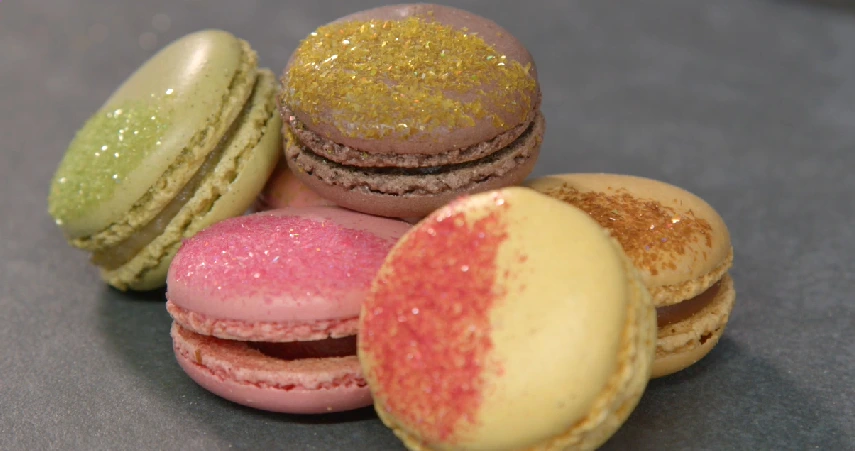
Simply sprinkle on to enhance your foods

Kim shows how you can easily enhance your food creations by using Magic Sparkles and Magic Twinkles ...
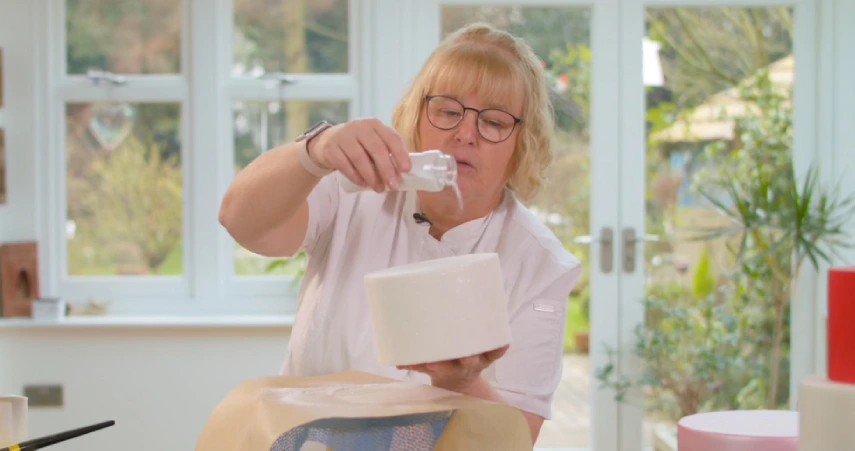
Applying to large surfaces

Expert tips by award-winning Baker, Carol Smith founder of "Cakes by Carol" In this video, Carol ...

Is Your Glitter Legal? A 2025 Guide to E171 and Clean Label Compliance

If you've been using the same edible glitter for years without checking ingredient labels lately, you might be using products that are no longer compliant with current regulations.

The 2022 ban on titanium dioxide across the EU sent shockwaves through the baking industry, and the ripple effects continue into 2025.

Understanding titanium dioxide in edible glitter, why it was banned, and what this means for your baking business isn't just about compliance, it's about protecting your customers and your reputation.

Let's break down what you need to know about E171 additive regulations and how to ensure your sparkle stays legal and safe.

What titanium dioxide is and why it's used in food

Titanium dioxide, also known as E171 additive, is a white pigment used to create opacity and brightness in everything from paint to food products.

In food applications, this additive serves multiple purposes. It creates vivid white color, enhances brightness in other colors, and provides opacity that makes decorations stand out visually.

For decades, it appeared in candies, cake decorations, chewing gum, and thousands of processed foods.

Manufacturers loved titanium dioxide because it's cheap, stable, and effective. Unlike natural white colorants that might be translucent or off-white, E171 delivered pure, brilliant white and helped other colors pop.

The food industry used titanium dioxide in both bulk form and nano-particle form. These microscopic particles could penetrate products more evenly, creating consistent color throughout.

This seemed like a technological advancement until scientists started asking questions about what happens when we consume nano-particles regularly?

Understanding E171 and its role in edible glitter

E171 additive is the European designation for titanium dioxide when used in food. The "E number" system identifies food additives approved for use in the EU.

For years, E171 carried regulatory approval and was considered safe. Regulatory bodies like the FDA in the US and EFSA (European Food Safety Authority) in Europe approved it for food use based on available research.

Edible glitter manufacturers relied heavily on this white pigment because it provided several advantages. It created a brilliant white shimmer that plant-based alternatives couldn't match.

It remained stable under various conditions: heat, light, and moisture without degrading. And it was significantly cheaper than natural alternatives.

Many popular brands built their entire product lines around E171 additive formulations. The white, silver, and pearl finishes customers loved depended on these properties.

But behind the scenes, scientific research was raising concerns about edible glitter safety that would eventually change everything.

Why titanium dioxide was banned in the EU

In May 2021, the European Food Safety Authority (EFSA) issued an opinion that would reshape the edible glitter industry. After reviewing available scientific evidence, EFSA concluded they could no longer consider E171 safe for consumption.

The concern focused on genotoxicity, the possibility of DNA damage. The additive couldn't be proven safe, especially due to nano-particles that may accumulate in body tissues.

EFSA's position was clear: when you can't exclude the possibility of genotoxic effects, you can't approve a substance for food use. This precautionary approach prioritized consumer safety over industry convenience.

Following this scientific opinion, the European Commission acted quickly. In January 2022, they officially banned the E171 additive and all food products across EU member states.

The titanium dioxide ban gave manufacturers a six-month transition period, with the prohibition taking full effect in August 2022.

This wasn't just about edible glitter safety, it affected thousands of products. Ice cream, salad dressings, supplements, candies, and baked goods all needed reformulation to comply with EU food rules.

The ban specifically targeted food use. Titanium dioxide remains legal in pharmaceuticals, cosmetics, and non-food applications. But if something goes in your mouth as food, the E171 additive is now prohibited throughout the European Union.

Is edible glitter still legal in the UK

Brexit created regulatory divergence between the UK and EU, but when it comes to edible glitter regulations, the situation remains complex in 2025.

Technically, the UK could choose different standards than the EU. However, the Food Standards Agency (FSA) has been reviewing the same scientific evidence that led to the edible glitter ban.

As of 2025, E171 remains legal in the UK, but the writing is on the wall. The FSA has indicated they're likely to follow EU food rules on this issue. Many food safety experts expect UK regulations to align with the titanium dioxide ban within the next year or two.

For professional bakers and food manufacturers, this creates a strategic decision point. You can continue using products containing the controversial additive while it's still legal, or you can proactively transition to clean label baking alternatives now.

Smart operators are choosing the latter. Here's why:

Market access: If you export to EU countries or supply retailers with EU operations, you already need titanium dioxide-free products. Getting ahead of UK regulations future-proofs your business.

Consumer perception: Savvy consumers read labels and research ingredients. Even while legal, E171-containing products carry reputational risk when customers learn about the EU ban.

Supply chain preparation: Manufacturers are already reformulating. Waiting until the UK ban is official might leave you scrambling for alternatives during a supply crunch.

Magic Sparkles never used titanium dioxide, even before the ban. Our founder, Harish Patel, built our formulations around maltodextrin and natural plant-based colorants from day one, no E171 additive, no reformulation stress, no compliance concerns.

The difference between edible and non-toxic cake glitter

Understanding edible vs non toxic glitter becomes crucial when navigating regulations and edible glitter safety.

Truly edible glitter is made from food ingredients like maltodextrin, sugar, or starch. Your body digests it and metabolizes it like any other food. When we talk about the edible glitter ban, we're discussing products that are genuinely meant to be eaten.

Non-toxic glitter is made from plastic, typically polyester (PET). It's labeled "non-toxic" because it passes through your digestive system without poisoning you, but it doesn't break down or provide nutrition. It's not food, it's inert material.

Here's where confusion arises: some products marketed as "edible" are actually non-toxic plastic glitters. They might say "edible" on the front label but fine print reveals "for decoration only" or "remove before consuming."

The titanium dioxide ban only applies to actual food products. Plastic craft glitters aren't covered by EU food rules because they're not food though they probably shouldn't be on cakes anyway.

When evaluating edible glitter safety, ask these questions:

  • Is it made from food ingredients or plastic?
  • Does it dissolve in your mouth or remain intact?
  • Would you call it an ingredient or a decoration?

True food grade glitter uses ingredients like maltodextrin, gum arabic, natural colorants, things you'd recognize as food. Products relying on E171 fell into this truly edible category, which is why the ban affected them.

Clean label compliance for bakers and food brands

The titanium dioxide ban accelerated a trend that was already reshaping food manufacturing: clean label baking.

Clean label refers to products with short, recognizable ingredient lists. Consumers increasingly demand transparency, they want to know exactly what they're eating and feeding their families.

For bakers pursuing clean label baking compliance, eliminating the controversial additive is just one step. The broader movement means choosing natural edible glitter made from plant-based ingredients without synthetic additives.

Clean label principles:

Short ingredient lists: Five to ten recognizable ingredients instead of twenty unpronounceable chemicals.

Natural sources: Plant-based colorants from spirulina, beetroot, turmeric instead of synthetic FD&C dyes or the E171 additive.

Minimal processing: Ingredients that look similar to their original form rather than highly processed chemical compounds.

Transparent sourcing: Knowing where ingredients come from and how they're produced.

The edible glitter safety conversation fits perfectly into clean label baking. Products containing banned substances fail clean label standards even where they are still legal because consumers perceive them as questionable.

Magic Sparkles products represent clean label compliance. Our ingredient lists are short: pharmaceutical-grade maltodextrin, natural plant extracts, and modified starch. No E171 additive, no synthetic colors, no ingredients your grandmother wouldn't recognize.

For commercial bakeries, clean label baking isn't just feel-good marketing, it's a competitive advantage. Customers actively seek products meeting these standards, and premium pricing often follows.

How to check ingredient labels on edible glitter

Protecting yourself from non-compliant or questionable products requires knowing how to read labels on safe cake supplies.

Look for these red flags indicating E171:

  • "Titanium dioxide" listed in ingredients
  • "E171" in the ingredient list
  • "Color added" without specifying which colors
  • "Mineral-based white pigment"

If you're shopping in the UK where it's still legal, manufacturers must list the additive if present. However, some imported products from regions with looser labeling laws might not be transparent.

Positive indicators of safe, compliant products:

"E171-Free" or "Titanium Dioxide Free" prominently displayed. Manufacturers who reformulated want you to know, so they label clearly.

Natural colorants listed specifically: "Colored with spirulina extract, beetroot powder, turmeric" tells you exactly what creates the shimmer.

Maltodextrin or sugar base: True food grade glitter starts with these digestible carbohydrates, not minerals or plastics.

Clean label or natural claims: While not regulated terms, they signal manufacturer intent toward transparency.

Certification symbols: Vegan, Halal, Kosher certifications indicate thorough ingredient review by third parties.

For professional use, don't rely solely on front-label marketing. Flip containers over and read actual ingredient declarations. If a manufacturer won't provide complete ingredient information, that's reason enough to choose different safe cake supplies.

When evaluating edible vs non-toxic glitter, the ingredient list tells you everything. Food-based ingredients mean truly edible. Polyester, PET, or plastic means non-toxic decoration, not food.

Safe and compliant alternatives to traditional glitter

The good news? Beautiful natural edible glitter alternatives exist that comply with the titanium dioxide ban and exceed edible glitter safety standards.

Maltodextrin-based glitter like Magic Sparkles creates prismatic shimmer through its natural crystal structure, not chemical additives. The light refraction delivers a jewel-like brilliance that outshines the flat look of E171-based glitters.

Plant-based colorants deliver gorgeous hues:

  • Spirulina creates blues and blue-greens
  • Beetroot provides pinks and reds
  • Turmeric offers yellows and golds
  • Purple sweet potato gives purples

These natural edible glitter options meet EU food rules, align with clean label baking trends, and appeal to health-conscious consumers.

Sugar-based alternatives work well for certain applications, though they dissolve faster than maltodextrin varieties.

Mica-based luster dusts (when properly certified as food-grade glitter) create metallic finishes without controversial additives.

The performance of these alternatives often exceeds traditional products. Because they're designed as food from the ground up rather than industrial pigments adapted for food use, they work better in moisture, temperature variations, and different application techniques.

Reformulation after the edible glitter ban pushed innovation. Manufacturers invested in research, creating products that are safer, more beautiful, and more versatile than what they replaced.

For bakers worried about transitioning from familiar products, the alternatives deliver equal or superior results for safe cake supplies without compliance concerns.

Conclusion

Understanding titanium dioxide in edible glitter regulations isn't optional anymore, it's essential for legal compliance and customer safety.

The 2022 EU titanium dioxide ban reshaped the industry, and even in regions where the E171 additive remains legal, consumer expectations and market forces favor clean label baking.

The difference between edible vs non toxic glitter matters enormously. True food grade glitter made from maltodextrin and natural colorants meets edible glitter safety standards while delivering stunning visual effects.

Products containing the banned additive may still be legal in some markets, but they're incompatible with EU food rules and the direction of global food safety regulations.

Smart bakers are proactively choosing natural edible glitter that complies with the titanium dioxide ban regardless of local regulations. This protects market access, builds consumer trust, and aligns with clean label baking trends reshaping the industry.

Magic Sparkles built our entire product line without ever using the E171 additive.

Our pharmaceutical-grade maltodextrin base and natural plant-based colorants create prismatic effects that exceed what E171 could deliver and they're certified safe cake supplies meeting the strictest global standards.

When you choose products designed from the ground up to meet edible glitter safety requirements, you're not compromising. You're choosing innovation, transparency, and integrity.

Check your labels. Know your ingredients. Choose sparkle that's legal, safe, and beautiful.
Stay compliant and confident, find out where to buy E171-free edible glitter that meets current food safety standards.

FAQ's

Is titanium dioxide safe to eat in small amounts?

The EU concluded they couldn't rule out genotoxic effects of the E171 additive, especially nano-particles that may accumulate in tissues. While it was used for decades, the titanium dioxide ban reflects precautionary principles when safety can't be definitively confirmed. Natural edible glitter alternatives eliminate this uncertainty entirely.

Why was E171 banned in Europe but not everywhere?

The EU follows precautionary principles on edible glitter safety, if harm can't be ruled out, the substance isn't approved. Other regions like the US use different risk assessment frameworks. However, the scientific evidence behind the edible glitter ban is leading many manufacturers globally to reformulate toward clean label baking standards regardless of local laws.

How can I tell if my cake glitter is actually edible?

Check if it's made from food ingredients like maltodextrin or sugar versus plastic (PET/polyester). True food grade glitter dissolves in your mouth and lists recognizable ingredients. Understanding edible vs non toxic glitter means reading labels, if it says "for decoration only" or you see plastic in ingredients, it's not genuinely edible despite marketing claims.

Are professional bakers still allowed to use E171 products?

In the EU, no, the titanium dioxide ban prohibits the E171 additive and all food products since August 2022. In the UK, it remains technically legal as of 2025, but compliance with EU food rules is expected soon. Most safe cake supplies manufacturers have already reformulated to natural edible glitter alternatives.

Read More >

Available In 22 Other Colours

  • Red Color Swatch

How Do I Buy?

Find Retailer here:

How much do I need?

Edible Glitter Wholesale International Shipping: Magic Sparkles Export Guide

If you are exploring Edible glitter wholesale international shipping, you are likely looking for a s...

Cake Decorating Tools: Essential Guide For Bakers (2026)

The finish on a cake tells a story before anyone takes a bite. Whether you are just beginning or ref...

High-Protein Cake Recipe For Home Bakers: Healthy, Handmade & Beautifully Decorated

If you have been searching for a high-protein cake recipe that feels indulgent yet supports your hea...

Edible Glitter Colours Bulk Order Guide For Bakeries & Cake Decorators

If you are planning your next purchase, this guide will help you make confident, cost-effective deci...

Buying Edible Glitter in Bulk: A Guide for Wholesale Bakers

Why Wholesale Bakers Buy Edible Glitter In Bulk Buying edible glitter in bulk is not just about s...

How to Fix Too Much Edible Glitter on a Cake

Why Over-Applying Edible Glitter Is a Common Mistake Knowing how to fix too much edible glitter o...

Gold vs Silver Edible Glitter: Which Colour Works Best on Different Desserts

Gold vs Silver Edible Glitter: Why The Colour Choice Matters Gold vs silver edible glitter is one...

Can You Use Edible Glitter on Savoury Food? What Actually Works

Can You Actually Use Edible Glitter on Savoury Food Yes. Edible glitter on savoury food is a real...

How to Start a Glitter Cake Business from Home: Costs, Tools and Suppliers

Why Glitter Cake Businesses Are Growing If you have been thinking about how to start a glitter ca...

Edible Glitter for Allergen-Free Baking: What to Look for on the Label

Why Allergen-Free Edible Glitter Matters for Bakers Allergen free edible glitter for baking is no...

How to Use Edible Glitter on Fresh Fruit Without Moisture Damage

Knowing how to use edible glitter on fresh fruit is one of those skills that looks deceptively simpl...

Beyond the Sparkle: Magic Sparkles Making Truly Safe Edible Glitter for Everyone

When you pick up a jar of glitter from a baking supply shop, how do you know it is actually safe to ...

How to Create Homemade Natural Edible Glitter With Simple Ingredients

Homemade edible glitter is one of those ideas that sounds complicated but is actually very approacha...

Why Edible Glitter Fades in Humid Weather (And How to Prevent It on Cakes)

Humidity above 65% RH destabilises most sugar-based glitters within hours. The shimmer that looked p...

Kids Birthday Cake Design Ideas Using Edible Glitter

There is a moment at every kid's birthday party when the cake comes out and the room goes quiet for ...

How To Keep Cake Decorations From Melting in Warm Environments

You have spent hours on a cake. The buttercream is smooth, the glitter is perfect, the fondant detai...

Using Edible Glitter on Donuts: A Step-by-Step Guide

If you have ever scrolled past a tray of shimmering, prismatic donuts and thought "how did they do t...

101: Your Guide To Magic Sparkles Edible Glitter

If you have ever stood in a baking supply aisle staring at jars of glitter wondering which one is ac...

15 Unique Ways to Use Edible Glitter In the Kitchen and Beyond

Edible glitter has transformed how we think about food presentation. It is no longer reserved for sp...

Minimalist Cake Decoration Trends to Try Now

There is something quietly powerful about restraint. In a world where maximalism once ruled, today's...

Mica vs. Cellulose vs. Plant-Based Flakes: The Truth About Edible Glitter

Most people just grab whatever glitter looks prettiest on the shelf. And that is a problem. No...

5 Stunning Ways To Make Cupcakes Sparkle Using Edible Glitter

You want to know how to make cupcakes sparkle. Not a subtle hint of shimmer. Not 'kind of glitter...

How to Use Edible Glitter in Mocktails: Dos, Don’ts & Safety Tips

Why Edible Glitter Is Transforming the Mocktail Experience You served a drink. And the table w...

Sustainable Bakery Practices: The Complete Guide to Zero-Waste Baking

Sustainable bakery practices are no longer a nice-to-have. They are what your customers are start...

10 Instagram-Worthy Cake Designs Using Magic Sparkles Edible Glitter

You've seen those cakes. The ones that stop your thumb mid-scroll. Shimmering. Prismatic. Impossi...

Cake Decorating 101: FAQs Every Baker Should Know

What Is Cake Decorating and Why Learn the Basics? You really need to hear this. Because honest...

Luxury Cake Design Trends 2026: Silver Renaissance and Architectural Majesty

Luxury cake design trends are changing fast in 2026. And honestly? If you are still working off 2...

Synthetic Colours vs Natural Colours in Edible Decorations: What Bakers Should Know

You're standing in front of your baking supplies trying to figure out which food colouring to use. ...

What Is Edible Glitter Made Of? A Complete Guide to Sparkly, Safe Cake Decorations

When you're decorating a birthday cake or adding shimmer to holiday cookies, you've probably wondere...

Edible Glitter vs Luster Dust: Which to Use for Cakes, Cookies, and Cocktails.

When you're reaching for bakery decorating supplies to add shimmer to your latest creation, the choi...

How to Store & Preserve Edible Glitter for Best Results

You've invested in premium edible glitter to create stunning cakes and desserts, but are you storing...

Best Halal and Kosher Certified Glitters for Commercial Bakeries

Running a commercial bakery means serving diverse communities with different dietary requirements. W...

Edible vs. Non-Toxic: Is Your Cake Glitter Actually Safe to Eat?

When you sprinkle sparkle onto a birthday cake, you assume it's safe to eat. But the glitter sitting...

Is Your Glitter Legal? A 2025 Guide to E171 and Clean Label Compliance

If you've been using the same edible glitter for years without checking ingredient labels lately, yo...

Why Coverage Matters More Than Cost Per Kilo in Bakery Ingredients

When comparing suppliers for your bakery, the cheapest cost per kilo bakery ingredients might seem l...

How to Apply Edible Glitter to Buttercream, Fondant, and Chocolate: A Professional Guide

Knowing the right application techniques transforms amateur-looking cakes into stunning professional...

No E171 in our Magic Sparkles

Sarah Hadland sparked controversy a decade ago on The Great British Bake-Off when she pointed out ...

How “edible” is your food glitter?

There’s a special occasion coming up: a birthday, a wedding or an anniversary and you’re plannin...

Simply sprinkle on to enhance your foods

Kim shows how you can easily enhance your food creations by using Magic Sparkles and Magic Twinkles ...

Applying to large surfaces

Expert tips by award-winning Baker, Carol Smith founder of "Cakes by Carol" In this video, Carol ...
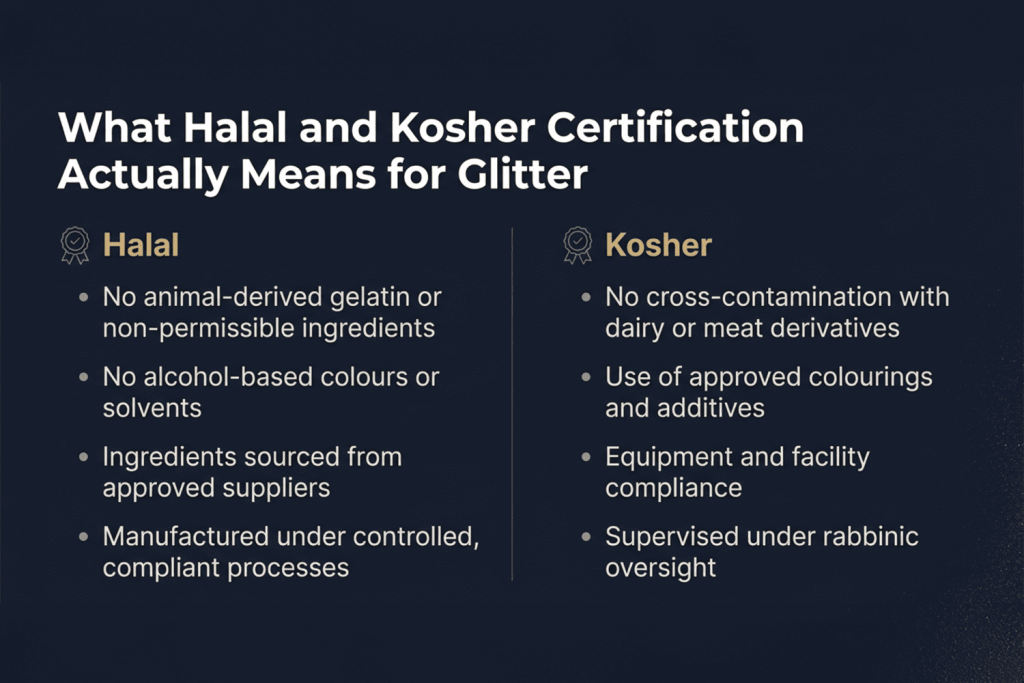
Why Coverage Matters More Than Cost Per Kilo in Bakery Ingredients

When comparing suppliers for your bakery, the cheapest cost per kilo bakery ingredients might seem like the smart choice. But experienced professionals know that price per kilogram tells you almost nothing about actual value, and chasing the lowest number often costs more in the long run.

Understanding ingredient coverage, yield, and true performance separates profitable bakeries from struggling ones.

Let's break down why focusing on price alone instead of coverage can quietly drain your margins and how to calculate what ingredients actually cost in real-world use.

Why cost per kilo is misleading in baking

The price-per-kilogram metric creates a dangerous illusion of comparability that doesn't reflect how products actually perform.

Here's the fundamental problem: one kilogram of Product A isn't functionally equivalent to one kilogram of Product B, even if they're supposedly the same category of ingredient. Density, concentration, coverage rate, and application efficiency vary dramatically between formulations.

Think about edible glitter for a moment. One supplier offers maltodextrin-based glitter at £45 per kilo. Another offers denser, mineral-based glitter at £30 per kilo. Based purely on price per kilogram, the second option seems 33% cheaper.

But maltodextrin glitter is lightweight those prismatic flakes are essentially air-filled crystals. A 3-gram pot covers significantly more cake surface than 3 grams of dense mineral glitter.

When you calculate ingredient coverage properly, you discover the "expensive" maltodextrin might cost half as much per decorated cake.

This pattern repeats across bakery ingredient cost categories. Concentrated flavor extracts versus diluted versions. Fine cocoa powder versus coarser grinds. Premium sprinkles versus cheap alternatives that shed color onto frosting.

Procurement officers who optimize for the lowest price often inadvertently increase total ingredient expenses because they're measuring the wrong thing.

What ingredient coverage really means

Ingredient coverage measures how much finished product you can create from a given quantity of raw material, the true measure of yield in baking.

For decorative ingredients like edible glitter, ingredient coverage means surface area decorated per gram. For flavor extracts, it's servings flavored per millilitre. For cocoa powder, it's cakes produced per kilogram.

Magic Sparkles' maltodextrin-based edible glitter provides approximately 5x the ingredient coverage of denser competitor products. One kilogram of our product yields the same decorated surface area as five kilograms of mineral-based alternatives.

This happens because of physics. Lightweight, air-filled maltodextrin flakes spread further, reflect more light per particle, and require less product to achieve visual impact. Dense particles sink into frosting and cluster together, requiring heavy application to achieve sparkle.

The bakery ingredient cost calculation must account for this ingredient performance difference. When 200g of premium product replaces 1kg of cheap alternative, the price comparison becomes irrelevant, what matters is cost per finished unit.

Professional bakers understand ingredient efficiency means less about purchase price and more about yield in baking applications.

A £50 ingredient that produces 200 finished items costs £0.25 per item. A £30 ingredient producing only 100 items costs £0.30 per item, 20% more expensive despite appearing cheaper initially.

How yield affects bakery profitability

Understanding yield in baking transforms how you evaluate ingredients and directly impacts your bottom line.

Bakery margins in the UK typically run 4-9% for retail operations and slightly higher for wholesale. In such tight-margin businesses, small ingredient efficiency improvements create significant profit impacts.

Consider a bakery producing 500 celebration cakes monthly, each requiring decorative glitter. Using dense, cheap glitter at £30/kg, they need 5g per cake (2.5kg monthly = £75). Switching to premium maltodextrin glitter at £45/kg, they need only 1g per cake (0.5kg monthly = £22.50).

The monthly savings: £52.50. Annually: £630. For this single ingredient in one product category.

Scale this principle across your entire professional baking cost structure: flavorings, colorants, speciality ingredients and the impact multiplies.

Bakeries optimizing for ingredient coverage rather than price alone often reduce total ingredient spend by 15-25% while improving product quality.

There's also the hidden labor cost. Products with poor ingredient coverage require more time to apply, more cleanup, and more waste disposal.

That £30/kg glitter creating a mess and requiring heavy application costs extra in staff time that your bakery ingredient cost spreadsheet doesn't capture.

Yield in baking isn't just about ingredient efficiency, it's about operational efficiency, waste reduction, and ultimately profitability.

The hidden costs of low coverage ingredients

Chasing the lowest price creates hidden expenses that destroy the apparent savings.

Waste: Dense, poorly performing decorative ingredients fall off cakes during transport, get absorbed into frosting without visual effect, or require excessive application that customers don't eat. You're literally throwing money away with every over-decorated cake.

Rework time: When ingredient coverage is inadequate, bakers apply more product or rework items that don't meet visual standards. Labor costs far exceed ingredient savings when staff spend extra minutes per unit achieving acceptable results.

Customer dissatisfaction: Cheap ingredients often perform inconsistently. Colors fade, sparkle looks dull, and coverage varies batch to batch. Disappointed customers don't return, and negative reviews damage reputations, the costs are impossible to quantify but very real.

Storage and handling: Low-efficiency ingredients require larger, more frequent orders. That means higher storage, handling, and inventory costs even before purchase price.

Quality reputation: Professional bakeries build reputations on consistency and quality. Using inferior ingredients with poor ingredient performance to save on upfront costs risks the premium pricing that makes bakery margins viable.

The truly expensive choice is the cheap one that forces you to use more product, spend more time, waste more material, and potentially damage customer relationships.

Comparing ingredient performance fairly

Fair comparison requires standardizing to actual use, not package weight.

Calculate cost per application: Instead of £ per kilo, determine £ per cake decorated, £ per batch flavored, or £ per dozen cookies colored. This reveals the true bakery ingredient cost.

Test coverage rates: Don't trust supplier claims, test products yourself. Decorate identical cakes with different glitters, measuring grams used to achieve the same visual effect. This empirical testing shows real ingredient coverage.

Factor in consistency: An ingredient that performs identically batch after batch has higher value than one requiring constant adjustment. Consistent ingredient efficiency reduces waste and speeds production.

Consider total cost of ownership: Include storage costs, handling time, waste rates, and rework requirements in your cost vs value baking analysis.

For Magic Sparkles products, we encourage customers to test ingredient coverage against competitors. Weigh out identical amounts of different products, apply them to matching cake surfaces, and see which achieves better visual results with less product.

When professionals do this testing, they consistently find our maltodextrin-based glitter requires 3-5x less product than mineral-based alternatives. Suddenly that higher price becomes the obviously better value.

Why professionals calculate value not price

Experienced bakery operators long ago stopped optimizing for the lowest price and started optimizing for value.

Value = Performance ÷ Price

An ingredient costing twice as much but performing three times better delivers 50% more value. This is why professional baking costs analysis focuses on yield in baking rather than purchase price.

Professional kitchens maintain detailed records of ingredient coverage across products. They know exactly how many cakes a kilogram of cocoa produces, how many batches a bottle of vanilla flavors, how much surface area edible glitter covers.

These metrics drive purchasing decisions. When suppliers offer "bulk discounts" on bulk baking ingredients with poor ingredient performance, professionals recognize the false economy.

Smart operators also understand that food cost control isn't about spending less, it's about maximizing value from every pound spent. Sometimes the best food cost control decision is spending more on ingredients that deliver superior ingredient efficiency.

Magic Sparkles serves professional bakeries precisely because we optimize for coverage and performance, not cheapest pricing. Our customers value consistent results, superior visual impact, and lower cost-per-use over misleading per-kilo pricing.

How to assess true ingredient efficiency

Evaluating ingredient efficiency requires moving beyond price metrics to practical, results-based measurements.

Coverage testing protocol:

Select identical test surfaces (same size cakes, same frosting type, same ambient conditions). Apply products following manufacturer recommendations until you achieve the desired visual effect. Weigh the product used. Calculate coverage rate: surface area decorated ÷ grams used.

Cost per unit calculation:

Divide the price per kilogram by your measured coverage rate. This gives true cost per decorated item, the only metric that matters for bakery ingredient cost planning.

Consistency assessment:

Test multiple batches of the same product. Ingredient efficiency means reliable performance across batches, not just occasional good results. High variation indicates quality control problems that increase your actual costs through waste and rework.

Performance under real conditions:

Lab testing differs from production reality. Assess ingredient coverage during actual service: does glitter stay on buttercream in warm display cases? Does color remain vibrant under bakery lighting? Real-world ingredient performance determines true value.

For yield in baking applications, track finished product counts from specific ingredient quantities. How many dozens from a bottle of extract? How many cakes from a container of glitter? These numbers reveal whether you're getting advertised ingredient efficiency or being shortchanged.

Real examples from professional kitchens

Let's examine how ingredient coverage impacts actual bakery margins with concrete numbers.

Case Study: Wedding Cake Specialist

This bakery produces 15 wedding cakes weekly, each requiring decorative glitter accents. Previously used Supplier A's glitter at £28/kg, needing approximately 8g per cake (120g weekly, 6.24kg annually = £174.72).

Switched to Magic Sparkles at £45/kg, needing only 1.5g per cake due to superior ingredient coverage (22.5g weekly, 1.17kg annually = £52.65).

Annual savings: £122.07 on this single ingredient. Additionally saved approximately 4 hours monthly in application time (valued at £60/month = £720 annually).

Total annual benefit: £842.07 versus apparent "savings" from cheaper pricing.

Case Study: High-Volume Cupcake Producer

Daily production: 500 cupcakes requiring colored shimmer. Previous ingredient required 0.3g per cupcake (150g daily, 54.75kg annually at £32/kg = £1,752).

Switched to concentrated premium product at £58/kg, requiring only 0.08g per cupcake due to better ingredient efficiency (40g daily, 14.6kg annually = £846.80).

Annual savings: £905.20. Reduction in storage space required: 73%. Improvement in visual consistency: staff report 90% fewer rework instances.

These examples demonstrate how focusing on ingredient performance and ingredient coverage rather than upfront price transforms professional baking costs.

What to ask suppliers before buying

Before committing to bulk baking ingredients, ask questions that reveal true value beyond simple pricing.

Coverage questions:

  • What surface area does one kilogram decorate?
  • How many grams per standard cake application?
  • What's the typical yield in baking applications?

Performance questions:

  • How does ingredient coverage compare to competitors?
  • What's the batch-to-batch consistency specification?
  • Does ingredient efficiency vary by application method?

Value questions:

  • What's the cost per decorated item, not per kilo?
  • How do your bakery ingredient cost-per-use numbers compare?
  • Can you provide customer testimonials on yield in baking?

Testing questions:

  • Can I receive samples for coverage testing?
  • Will you provide ingredient performance data?
  • Do you have case studies showing food cost control improvements?

Suppliers confident in their ingredient coverage will welcome these questions and provide detailed answers. Those who deflect to price-per-kilo probably know their products don't deliver value.

Magic Sparkles provides comprehensive ingredient efficiency data, welcomes comparison testing, and can demonstrate exactly how our products reduce bakery ingredient cost per finished unit.

We're proud of our ingredient performance and want customers making informed cost vs value baking decisions.

Conclusion

The cheapest cost per kilo bakery ingredients rarely delivers the lowest cost per finished product.

Understanding ingredient coverage, calculating yield in baking applications, and assessing true ingredient efficiency separates successful bakeries from those struggling with tight bakery margins.

Professional baking costs optimization means looking beyond purchase price to performance metrics that actually impact profitability. Ingredient coverage determines how much finished product you create from raw materials, the real measure of bakery ingredient cost.

When comparing bulk baking ingredients, test actual ingredient performance under your specific conditions. Calculate cost per decorated cake, cost per batch, cost per dozen, metrics reflecting real food cost control needs, not misleading price figures.

Magic Sparkles' maltodextrin-based edible glitter costs more per kilogram but less per cake because of superior ingredient coverage.

One kilogram of our product replaces up to five kilograms of denser alternatives, a dramatically better ingredient efficiency that translates to lower professional baking costs and improved bakery margins.

Choose ingredients based on value, not price. Calculate yield in baking. Measure ingredient performance empirically.

Your bottom line will thank you for understanding that the expensive ingredient is often the cheap one, and the best investment is the product that delivers superior ingredient coverage.

Focus on what matters: cost vs value baking decisions that optimize for results, not just price tags. When evaluating decorative ingredients, it's also worth considering the broader formulation. Many professional bakers are now turning to natural plant-based colorants as part of a cleaner, more transparent ingredient strategy that resonates with today's consumers.
See how far your budget really goes — find out where to buy edible glitter with exceptional coverage and cost-in-use value.

FAQ's

Why is cost per kilo not the best way to compare ingredients?

Price per kilogram ignores the critical factor of ingredient coverage, how much finished product you create from each kilogram. Products with different densities, concentrations, or application efficiencies aren't comparable by weight alone. Professional baking costs should be calculated based on yield in baking (cost per decorated cake, batch, or serving) to reveal true bakery ingredient cost.

What does ingredient coverage mean in baking?

Ingredient coverage measures how much surface area you can decorate or how many finished items you can produce from a given quantity of ingredient. It's the key metric for ingredient efficiency and true bakery ingredient cost. High ingredient coverage means less product achieves the same result, reducing price-per-kilo relevance in favor of cost per application or finished unit.

How do professional bakeries calculate food costs?

Professionals calculate ingredient performance based on yield in baking rather than simple price metrics. They measure grams or milliliters used per finished item, multiply by ingredient cost, and determine actual cost per serving or unit. This food cost control approach reveals true bakery ingredient cost and allows accurate cost vs value baking decisions that protect bakery margins.

Do higher priced ingredients actually save money?

Yes, when they deliver superior ingredient coverage and ingredient efficiency. An ingredient costing twice as much but requiring three times less product per application reduces bakery ingredient cost per finished unit by 33%. Professional baking costs decrease when you optimize for ingredient performance rather than lowest upfront price, often improving bulk baking ingredients value significantly.

Read More >

Available In 22 Other Colours

  • Red Color Swatch

How Do I Buy?

Find Retailer here:

How much do I need?

Edible Glitter Wholesale International Shipping: Magic Sparkles Export Guide

If you are exploring Edible glitter wholesale international shipping, you are likely looking for a s...

Cake Decorating Tools: Essential Guide For Bakers (2026)

The finish on a cake tells a story before anyone takes a bite. Whether you are just beginning or ref...

High-Protein Cake Recipe For Home Bakers: Healthy, Handmade & Beautifully Decorated

If you have been searching for a high-protein cake recipe that feels indulgent yet supports your hea...

Edible Glitter Colours Bulk Order Guide For Bakeries & Cake Decorators

If you are planning your next purchase, this guide will help you make confident, cost-effective deci...

Buying Edible Glitter in Bulk: A Guide for Wholesale Bakers

Why Wholesale Bakers Buy Edible Glitter In Bulk Buying edible glitter in bulk is not just about s...

How to Fix Too Much Edible Glitter on a Cake

Why Over-Applying Edible Glitter Is a Common Mistake Knowing how to fix too much edible glitter o...

Gold vs Silver Edible Glitter: Which Colour Works Best on Different Desserts

Gold vs Silver Edible Glitter: Why The Colour Choice Matters Gold vs silver edible glitter is one...

Can You Use Edible Glitter on Savoury Food? What Actually Works

Can You Actually Use Edible Glitter on Savoury Food Yes. Edible glitter on savoury food is a real...

How to Start a Glitter Cake Business from Home: Costs, Tools and Suppliers

Why Glitter Cake Businesses Are Growing If you have been thinking about how to start a glitter ca...

Edible Glitter for Allergen-Free Baking: What to Look for on the Label

Why Allergen-Free Edible Glitter Matters for Bakers Allergen free edible glitter for baking is no...

How to Use Edible Glitter on Fresh Fruit Without Moisture Damage

Knowing how to use edible glitter on fresh fruit is one of those skills that looks deceptively simpl...

Beyond the Sparkle: Magic Sparkles Making Truly Safe Edible Glitter for Everyone

When you pick up a jar of glitter from a baking supply shop, how do you know it is actually safe to ...

How to Create Homemade Natural Edible Glitter With Simple Ingredients

Homemade edible glitter is one of those ideas that sounds complicated but is actually very approacha...

Why Edible Glitter Fades in Humid Weather (And How to Prevent It on Cakes)

Humidity above 65% RH destabilises most sugar-based glitters within hours. The shimmer that looked p...

Kids Birthday Cake Design Ideas Using Edible Glitter

There is a moment at every kid's birthday party when the cake comes out and the room goes quiet for ...

How To Keep Cake Decorations From Melting in Warm Environments

You have spent hours on a cake. The buttercream is smooth, the glitter is perfect, the fondant detai...

Using Edible Glitter on Donuts: A Step-by-Step Guide

If you have ever scrolled past a tray of shimmering, prismatic donuts and thought "how did they do t...

101: Your Guide To Magic Sparkles Edible Glitter

If you have ever stood in a baking supply aisle staring at jars of glitter wondering which one is ac...

15 Unique Ways to Use Edible Glitter In the Kitchen and Beyond

Edible glitter has transformed how we think about food presentation. It is no longer reserved for sp...

Minimalist Cake Decoration Trends to Try Now

There is something quietly powerful about restraint. In a world where maximalism once ruled, today's...

Mica vs. Cellulose vs. Plant-Based Flakes: The Truth About Edible Glitter

Most people just grab whatever glitter looks prettiest on the shelf. And that is a problem. No...

5 Stunning Ways To Make Cupcakes Sparkle Using Edible Glitter

You want to know how to make cupcakes sparkle. Not a subtle hint of shimmer. Not 'kind of glitter...

How to Use Edible Glitter in Mocktails: Dos, Don’ts & Safety Tips

Why Edible Glitter Is Transforming the Mocktail Experience You served a drink. And the table w...

Sustainable Bakery Practices: The Complete Guide to Zero-Waste Baking

Sustainable bakery practices are no longer a nice-to-have. They are what your customers are start...

10 Instagram-Worthy Cake Designs Using Magic Sparkles Edible Glitter

You've seen those cakes. The ones that stop your thumb mid-scroll. Shimmering. Prismatic. Impossi...

Cake Decorating 101: FAQs Every Baker Should Know

What Is Cake Decorating and Why Learn the Basics? You really need to hear this. Because honest...

Luxury Cake Design Trends 2026: Silver Renaissance and Architectural Majesty

Luxury cake design trends are changing fast in 2026. And honestly? If you are still working off 2...

Synthetic Colours vs Natural Colours in Edible Decorations: What Bakers Should Know

You're standing in front of your baking supplies trying to figure out which food colouring to use. ...

What Is Edible Glitter Made Of? A Complete Guide to Sparkly, Safe Cake Decorations

When you're decorating a birthday cake or adding shimmer to holiday cookies, you've probably wondere...

Edible Glitter vs Luster Dust: Which to Use for Cakes, Cookies, and Cocktails.

When you're reaching for bakery decorating supplies to add shimmer to your latest creation, the choi...

How to Store & Preserve Edible Glitter for Best Results

You've invested in premium edible glitter to create stunning cakes and desserts, but are you storing...

Best Halal and Kosher Certified Glitters for Commercial Bakeries

Running a commercial bakery means serving diverse communities with different dietary requirements. W...

Edible vs. Non-Toxic: Is Your Cake Glitter Actually Safe to Eat?

When you sprinkle sparkle onto a birthday cake, you assume it's safe to eat. But the glitter sitting...

Is Your Glitter Legal? A 2025 Guide to E171 and Clean Label Compliance

If you've been using the same edible glitter for years without checking ingredient labels lately, yo...

Why Coverage Matters More Than Cost Per Kilo in Bakery Ingredients

When comparing suppliers for your bakery, the cheapest cost per kilo bakery ingredients might seem l...

How to Apply Edible Glitter to Buttercream, Fondant, and Chocolate: A Professional Guide

Knowing the right application techniques transforms amateur-looking cakes into stunning professional...

No E171 in our Magic Sparkles

Sarah Hadland sparked controversy a decade ago on The Great British Bake-Off when she pointed out ...

How “edible” is your food glitter?

There’s a special occasion coming up: a birthday, a wedding or an anniversary and you’re plannin...

Simply sprinkle on to enhance your foods

Kim shows how you can easily enhance your food creations by using Magic Sparkles and Magic Twinkles ...

Applying to large surfaces

Expert tips by award-winning Baker, Carol Smith founder of "Cakes by Carol" In this video, Carol ...

How to Apply Edible Glitter to Buttercream, Fondant, and Chocolate: A Professional Guide

Knowing the right application techniques transforms amateur-looking cakes into stunning professional creations. But sprinkle it carelessly and you'll waste product, create patchy coverage, or end up with sparkle everywhere except where you wanted it.

Different surfaces like buttercream, fondant, and chocolate require specific techniques for optimal edible glitter on cakes. Let's walk through the professional methods that ensure beautiful, even coverage every time you reach for that container of food grade glitter.

Choosing the right edible glitter for the surface

Before learning professional cake decorating methods, you need the right product for your specific surface.

Not all cake decorating glitter performs identically across different mediums. Maltodextrin-based glitter like Magic Sparkles works universally because the lightweight flakes adhere to moisture without dissolving too quickly.

Denser mineral-based products behave differently depending on the application surface.

For buttercream: Choose larger flake glitter that won't disappear into the soft frosting texture. The slightly textured surface of buttercream gives flakes something to nestle into while still catching light beautifully.

For fondant: Both fine dust and larger flakes work well on smooth fondant surfaces. The dry surface of fondant allows even fine particles to remain visible rather than being absorbed.

For chocolate: Temperature-stable glitter is essential. Some products contain ingredients that don't perform well on fat-based surfaces. Maltodextrin-based safe edible glitter adheres reliably to chocolate without the colorants bleeding or the sparkle sinking into the surface.

Quality matters enormously when determining successful application methods. Products containing plastic (labeled "non-toxic" rather than "edible") won't adhere properly and create food safety concerns.

Always use genuinely food-grade glitter manufactured from digestible ingredients like maltodextrin and natural plant-based colorants.

Preparing cakes before applying glitter

Proper surface preparation is half the battle for professional results.

For buttercream cakes:

Chill the frosted cake for 15-20 minutes before applying edible glitter buttercream decorations. This firms the buttercream slightly, preventing excessive sinking while maintaining enough tackiness for glitter adhesion.

The surface should feel cool and slightly firm but not completely hardened.

Avoid touching the buttercream with bare hands immediately before glitter application; skin oils create spots where cake decorating glitter won't stick.

For fondant cakes:

The fondant should be completely dry to the touch before you apply edible glitter fondant finishes. Freshly applied fondant is too moist and will cause glitter to dissolve or sink. Wait at least 2-3 hours after covering your cake, or ideally overnight.

For the best results, lightly brush the fondant surface with clear alcohol (vodka or lemon extract) immediately before glitter application. This creates a sticky surface that grabs particles without making fondant soggy.

For chocolate:

Chocolate should be at room temperature and completely set. Too cold, and edible glitter chocolate applications won't adhere. Too warm, and glitter sinks into the surface or causes colorants to bleed.

For ganache-covered cakes, allow the ganache to set fully, the surface should be firm to gentle touch. A slightly tacky ganache accepts glitter beautifully without requiring additional adhesive.

Proper preparation ensures you're not fighting against your surface when using cake glitter techniques effectively.

How to apply edible glitter to buttercream

Learning the correct buttercream techniques creates that coveted "wow factor" without wasting product.

The dry sprinkle method:

This is the most common technique for edible glitter buttercream applications. Hold the container 6-8 inches above the cake and gently tap or shake to release glitter. The slight height allows flakes to spread naturally rather than clumping in one spot.

Work in light layers rather than heavy applications. You can always add more, but removing excess is messy and wastes product. For all-over coverage, rotate the cake slowly while continuously sprinkling from above.

The brush application method:

For targeted areas or detailed designs, load a soft brush with dry glitter and gently tap or dab onto buttercream. This cake glitter technique gives precise control for borders, specific sections, or accent areas.

The press-and-lift method:

For bolder sparkle on edible glitter on cakes, sprinkle glitter onto parchment paper, then gently press the side of the cake into the glitter. Lift and rotate to continue around the cake's circumference. This creates dramatic coverage on cake sides while keeping the top clean.

Timing matters when applying edible glitter buttercream decorations. Fresh buttercream provides ideal tackiness. If buttercream has crusted over, very lightly mist with water from 12 inches away to restore slight stickiness without making it wet.

How to apply edible glitter to fondant

Fondant's smooth, dry surface requires different approaches for effective application.

The alcohol brush method:

This professional technique creates the most reliable edible glitter fondant finishes. Pour small amounts of clear alcohol (vodka works perfectly, it evaporates without leaving stickiness) into a small bowl. Using a soft brush, paint the alcohol onto fondant where you want glitter.

Immediately sprinkle food grade glitter over the wet areas while the alcohol is still damp. The alcohol provides adhesive without making fondant soggy, then evaporates completely, leaving glitter firmly attached.

For all-over coverage, work in sections to prevent alcohol from evaporating before glitter application.

The piping gel method:

For stronger adhesion on edible glitter on cakes with fondant, thin clear piping gel with a few drops of water until it reaches paint-like consistency. Brush onto fondant and apply glitter while gel is still wet.

This method creates extremely secure attachment, glitter won't fall off during transport. However, the gel layer remains slightly sticky, so use this technique only where cakes won't be handled after decoration.

The dry dust method:

For subtle shimmer rather than obvious sparkle, load a soft brush with dry glitter and sweep across fondant surface. This cake glitter technique works beautifully for highlighting raised details on fondant decorations or creating ombré effects.

Understanding proper fondant application gives you flexibility for different design effects from subtle glamour to dramatic sparkle.

How to apply edible glitter to chocolate

Chocolate presents unique challenges when determining application methods, but the results are stunning.

For solid chocolate pieces:

The chocolate should be at room temperature and completely set. Using the dry sprinkle method, dust glitter over the surface. The slight natural oils in chocolate provide enough adhesion for lightweight maltodextrin-based safe edible glitter.

For stronger adhesion on edible glitter chocolate decorations, very lightly mist chocolate with water from 12+ inches away, just enough to create microscopic droplets that act as glue without making chocolate wet. Immediately apply glitter while surface shows these tiny moisture beads.

For ganache:

Ganache is actually easier than solid chocolate for glitter application baking. Apply edible glitter when ganache has set but remains slightly tacky (usually 30-60 minutes after pouring, depending on temperature).

The tacky surface grabs glitter perfectly without additional adhesive. If ganache has completely hardened, the alcohol brush method works well.

For chocolate drips:

Apply cake decorating glitter to drips while they're still wet for embedded sparkle, or wait until completely set and use dry application for surface sparkle. Both create different but equally beautiful effects.

Temperature control is crucial for edible glitter chocolate applications. Too warm and glitter sinks or colors bleed. Too cold and adhesion fails.

Dry vs wet application methods

Understanding when to use dry versus wet techniques is essential for mastering cake glitter techniques across different scenarios.

Dry application advantages:

  • Quick and simple for edible glitter buttercream work
  • No additional ingredients or tools required
  • Easy to control amount applied
  • Works well for all-over coverage
  • Minimal mess when done correctly

Dry application works best for: Fresh buttercream, slightly tacky ganache, chocolate at room temperature, or quick decoration jobs where you need speed.

Wet application advantages:

  • Superior adhesion on smooth, dry surfaces
  • Prevents glitter falloff during transport
  • Allows precise placement for detailed designs
  • Creates more dramatic, concentrated sparkle
  • Better for edible glitter fondant applications

Wet application works best for: Completely dry fondant, hardened ganache, cookies with royal icing, or professional cake decorating where transport durability matters.

The "wet" medium can be clear alcohol (vodka, lemon extract), thinned piping gel, or simple syrup depending on your surface and desired permanence. For food grade glitter, avoid using water alone, it makes surfaces too wet and can cause sugar-based items to dissolve.

Professional cake decorating often combines both methods on a single cake, wet application for detailed areas requiring secure attachment, dry application for broad coverage areas.

Tools professionals use for even coverage

The right tools transform glitter application baking from frustrating guesswork into controlled precision.

Essential tools for glitter application baking:

Soft brushes: Multiple sizes of food-safe soft brushes allow both broad sweeping and detailed placement. Natural bristle or high-quality synthetic brushes prevent shedding into your glitter.

Parchment paper: Essential for the press-and-lift method and catching excess glitter for reuse. Place under cakes during dry application to collect falloff.

Small bowls or ramekins: For holding alcohol, thinned gel, or small quantities of safe edible glitter during detailed work.

Spray bottles: Fine mist sprayers create the lightest water application for activating slight stickiness on surfaces without over-wetting.

Turntable: Rotating cakes while applying edible glitter on cakes ensures even coverage without handling the cake directly.

Silicone brushes: For applying alcohol or gel to fondant, they don't absorb liquid like natural bristles, giving you more control over moisture application.

Dusting pouches: Professional-grade mesh pouches create the finest, most even distribution for subtle effects.

Quality tools pay for themselves in reduced waste, better results, and time savings. Cheap brushes shed bristles, poor sprayers create puddles instead of mist, and inadequate containers make controlling cake decorating glitter application difficult.

Magic Sparkles containers are designed with this in mind, the wide opening allows easy brush access, and the secure seal prevents moisture contamination that would ruin your food grade glitter between uses.

Common mistakes when applying glitter

Even experienced bakers make errors when learning professional application techniques. Avoiding these pitfalls improves results immediately.

Over-application: More isn't better with cake glitter techniques. Heavy application looks clumpy, wastes expensive product, and creates unpleasant texture. Build coverage gradually with light layers.

Wrong surface condition: Applying to surfaces that are too wet (glitter dissolves or sinks) or too dry (glitter won't stick) causes most failures. Surface preparation determines 80% of success in edible glitter buttercream and edible glitter fondant applications.

Using wet hands: Touching buttercream or fondant with damp hands immediately before glitter application creates spots where nothing sticks. Ensure hands are completely dry.

Working in humid environments: High humidity causes maltodextrin-based safe edible glitter to absorb moisture from the air and clump. Work in air-conditioned spaces when possible, and keep containers tightly sealed.

Mixing incompatible products: Not all edible glitter on cakes products are genuinely edible. Mixing food grade glitter with plastic "non-toxic" alternatives creates inconsistent results and food safety concerns.

Applying too close: Holding containers too near the surface causes clumping and uneven distribution. Maintaining 6-8 inches distance allows natural spreading.

Ignoring transport concerns: Dry application on smooth fondant might look beautiful in your kitchen but falls off during delivery. Consider final use when determining application methods for specific projects.

Not testing first: Different brands perform differently. Test your specific cake decorating glitter on practice surfaces before attempting complex designs on client cakes.

Understanding these mistakes helps you master professional cake decorating techniques faster and avoid wasting expensive ingredients.

Conclusion

Mastering how to apply edible glitter is about matching the technique to the surface. Buttercream works best when lightly chilled and sprinkled while still tacky. Fondant finishes shine with a gentle brush-on method for secure adhesion.

For edible glitter chocolate work, temperature control and timing matter most. Understanding dry versus wet glitter application baking methods gives you flexibility for different effects and durability requirements.

The right tools make cake glitter techniques easier and more professional. Soft brushes, spray bottles, turntables, and quality containers transform application from messy guesswork into controlled artistry.

Choose genuinely food grade glitter made from maltodextrin and natural plant-based colorants. Products labeled "non-toxic" rather than "edible" create food safety concerns and often don't perform well as edible glitter on cakes anyway.

Magic Sparkles' maltodextrin-based products are specifically formulated for superior adhesion across buttercream, fondant, and chocolate surfaces. Our lightweight, prismatic flakes require less product for dramatic impact and better results with less waste.

Whether you're learning professional techniques for the first time or refining professional cake decorating skills, the principles remain consistent: prepare surfaces properly, match technique to medium, work in light layers, and choose safe edible glitter from reputable manufacturers.

Practise these cake-decorating glitter methods until they become second nature. Your cakes will sparkle with professional polish that sets your work apart. Get the product that makes every technique work beautifully — find out where to buy edible glitter for buttercream, fondant, and chocolate.

FAQ's

Should edible glitter be applied dry or wet?

It depends on the surface. For edible glitter buttercream applications, dry sprinkling onto chilled, slightly tacky frosting works best. For edible glitter fondant finishes, wet application using clear alcohol or thinned gel creates superior adhesion. Edible glitter chocolate applications work with both methods depending on whether chocolate is slightly tacky or completely set. Professional cake decorating often combines techniques on a single cake.

What is the best way to apply glitter to buttercream?

The best way for edible glitter on cakes with buttercream is chilling the cake for 15-20 minutes first, then using the dry sprinkle method from 6-8 inches above while rotating on a turntable. This cake glitter technique creates even coverage without clumping. Proper application to edible glitter buttercream ensures the surface is tacky enough for adhesion but firm enough to prevent sinking.

Can edible glitter be used on chocolate safely?

Yes, when using genuinely food grade glitter made from safe edible glitter ingredients like maltodextrin. Edible glitter chocolate decorations require room temperature, completely set chocolate. For stronger adhesion, very lightly mist with water from 12+ inches away before applying glitter. Avoid products containing ingredients that don't perform well on fat-based surfaces in glitter application baking.

How do professionals get even glitter coverage?

Professional cake decorating achieves even edible glitter on cakes coverage through proper surface preparation, working in light layers, maintaining consistent distance (6-8 inches) when sprinkling, and rotating cakes on turntables during application. For cake glitter techniques requiring precision, they use soft brushes for controlled placement. Understanding the right tools and methods whether edible glitter buttercream, edible glitter fondant, or chocolate applications, separates amateur from professional results.

Read More >

Available In 22 Other Colours

  • Red Color Swatch

How Do I Buy?

Find Retailer here:

How much do I need?

Edible Glitter Wholesale International Shipping: Magic Sparkles Export Guide

If you are exploring Edible glitter wholesale international shipping, you are likely looking for a s...

Cake Decorating Tools: Essential Guide For Bakers (2026)

The finish on a cake tells a story before anyone takes a bite. Whether you are just beginning or ref...

High-Protein Cake Recipe For Home Bakers: Healthy, Handmade & Beautifully Decorated

If you have been searching for a high-protein cake recipe that feels indulgent yet supports your hea...

Edible Glitter Colours Bulk Order Guide For Bakeries & Cake Decorators

If you are planning your next purchase, this guide will help you make confident, cost-effective deci...

Buying Edible Glitter in Bulk: A Guide for Wholesale Bakers

Why Wholesale Bakers Buy Edible Glitter In Bulk Buying edible glitter in bulk is not just about s...

How to Fix Too Much Edible Glitter on a Cake

Why Over-Applying Edible Glitter Is a Common Mistake Knowing how to fix too much edible glitter o...

Gold vs Silver Edible Glitter: Which Colour Works Best on Different Desserts

Gold vs Silver Edible Glitter: Why The Colour Choice Matters Gold vs silver edible glitter is one...

Can You Use Edible Glitter on Savoury Food? What Actually Works

Can You Actually Use Edible Glitter on Savoury Food Yes. Edible glitter on savoury food is a real...

How to Start a Glitter Cake Business from Home: Costs, Tools and Suppliers

Why Glitter Cake Businesses Are Growing If you have been thinking about how to start a glitter ca...

Edible Glitter for Allergen-Free Baking: What to Look for on the Label

Why Allergen-Free Edible Glitter Matters for Bakers Allergen free edible glitter for baking is no...

How to Use Edible Glitter on Fresh Fruit Without Moisture Damage

Knowing how to use edible glitter on fresh fruit is one of those skills that looks deceptively simpl...

Beyond the Sparkle: Magic Sparkles Making Truly Safe Edible Glitter for Everyone

When you pick up a jar of glitter from a baking supply shop, how do you know it is actually safe to ...

How to Create Homemade Natural Edible Glitter With Simple Ingredients

Homemade edible glitter is one of those ideas that sounds complicated but is actually very approacha...

Why Edible Glitter Fades in Humid Weather (And How to Prevent It on Cakes)

Humidity above 65% RH destabilises most sugar-based glitters within hours. The shimmer that looked p...

Kids Birthday Cake Design Ideas Using Edible Glitter

There is a moment at every kid's birthday party when the cake comes out and the room goes quiet for ...

How To Keep Cake Decorations From Melting in Warm Environments

You have spent hours on a cake. The buttercream is smooth, the glitter is perfect, the fondant detai...

Using Edible Glitter on Donuts: A Step-by-Step Guide

If you have ever scrolled past a tray of shimmering, prismatic donuts and thought "how did they do t...

101: Your Guide To Magic Sparkles Edible Glitter

If you have ever stood in a baking supply aisle staring at jars of glitter wondering which one is ac...

15 Unique Ways to Use Edible Glitter In the Kitchen and Beyond

Edible glitter has transformed how we think about food presentation. It is no longer reserved for sp...

Minimalist Cake Decoration Trends to Try Now

There is something quietly powerful about restraint. In a world where maximalism once ruled, today's...

Mica vs. Cellulose vs. Plant-Based Flakes: The Truth About Edible Glitter

Most people just grab whatever glitter looks prettiest on the shelf. And that is a problem. No...

5 Stunning Ways To Make Cupcakes Sparkle Using Edible Glitter

You want to know how to make cupcakes sparkle. Not a subtle hint of shimmer. Not 'kind of glitter...

How to Use Edible Glitter in Mocktails: Dos, Don’ts & Safety Tips

Why Edible Glitter Is Transforming the Mocktail Experience You served a drink. And the table w...

Sustainable Bakery Practices: The Complete Guide to Zero-Waste Baking

Sustainable bakery practices are no longer a nice-to-have. They are what your customers are start...

10 Instagram-Worthy Cake Designs Using Magic Sparkles Edible Glitter

You've seen those cakes. The ones that stop your thumb mid-scroll. Shimmering. Prismatic. Impossi...

Cake Decorating 101: FAQs Every Baker Should Know

What Is Cake Decorating and Why Learn the Basics? You really need to hear this. Because honest...

Luxury Cake Design Trends 2026: Silver Renaissance and Architectural Majesty

Luxury cake design trends are changing fast in 2026. And honestly? If you are still working off 2...

Synthetic Colours vs Natural Colours in Edible Decorations: What Bakers Should Know

You're standing in front of your baking supplies trying to figure out which food colouring to use. ...

What Is Edible Glitter Made Of? A Complete Guide to Sparkly, Safe Cake Decorations

When you're decorating a birthday cake or adding shimmer to holiday cookies, you've probably wondere...

Edible Glitter vs Luster Dust: Which to Use for Cakes, Cookies, and Cocktails.

When you're reaching for bakery decorating supplies to add shimmer to your latest creation, the choi...

How to Store & Preserve Edible Glitter for Best Results

You've invested in premium edible glitter to create stunning cakes and desserts, but are you storing...

Best Halal and Kosher Certified Glitters for Commercial Bakeries

Running a commercial bakery means serving diverse communities with different dietary requirements. W...

Edible vs. Non-Toxic: Is Your Cake Glitter Actually Safe to Eat?

When you sprinkle sparkle onto a birthday cake, you assume it's safe to eat. But the glitter sitting...

Is Your Glitter Legal? A 2025 Guide to E171 and Clean Label Compliance

If you've been using the same edible glitter for years without checking ingredient labels lately, yo...

Why Coverage Matters More Than Cost Per Kilo in Bakery Ingredients

When comparing suppliers for your bakery, the cheapest cost per kilo bakery ingredients might seem l...

How to Apply Edible Glitter to Buttercream, Fondant, and Chocolate: A Professional Guide

Knowing the right application techniques transforms amateur-looking cakes into stunning professional...

No E171 in our Magic Sparkles

Sarah Hadland sparked controversy a decade ago on The Great British Bake-Off when she pointed out ...

How “edible” is your food glitter?

There’s a special occasion coming up: a birthday, a wedding or an anniversary and you’re plannin...

Simply sprinkle on to enhance your foods

Kim shows how you can easily enhance your food creations by using Magic Sparkles and Magic Twinkles ...

Applying to large surfaces

Expert tips by award-winning Baker, Carol Smith founder of "Cakes by Carol" In this video, Carol ...
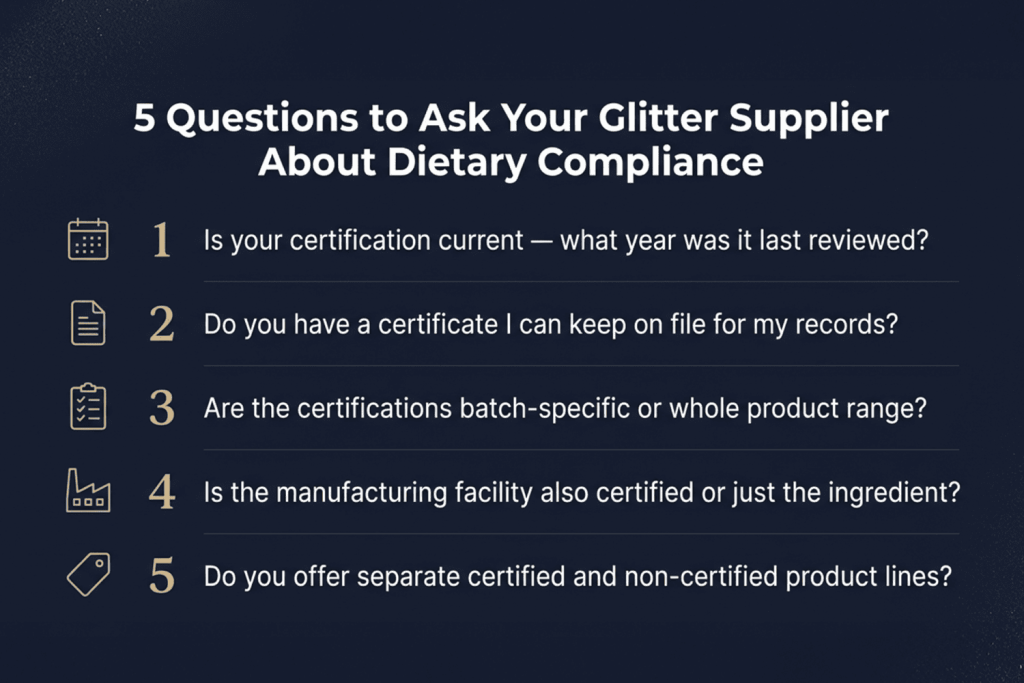
No E171 in our Magic Sparkles

Sarah Hadland sparked controversy a decade ago on The Great British Bake-Off when she pointed out that not all edible glitters are safe to eat. Edible glitter is used across the industry and takes the visual aesthetic of your baked goods to a whole other level: unlocking a magical world of sparkles, pearls, and shine.


After almost 10 years of scientific research and clinical trials, Titanium Dioxide (TiO2) or E171 as it appears on some food ingredient labels, has been identified as being toxic, possibly carcinogenic and unsafe to consume by most food authorities across Europe. The result bring that Titanium dioxide / E171 is now banned from being used in all food substances in Europe.


Titanium Dioxide has been used as a whitening agent in edible glitter, bringing sparkle and shine to cakes, cookies, and other baked goods. Edible glitter is typically made from a combination of ingredients, including food-grade colourants, flavourings, and binders. Magic Sparkles has always made the conscientious choice of never using E171 in any of its products. In fact, the amazing prismatic effect of Magic Sparkles has been achieved with only food-grade ingredients and no artificial colours or ingredients! We only use natural plant-based colourings in our products.


Food safety standards are important for all food products, including edible glitter, to ensure that they are safe for consumption and do not pose any risks to human health. These standards are developed and enforced by regulatory agencies, such as the European Food Safety Authority (EFSA), to ensure that food products meet certain safety criteria and are free of contaminants, pathogens, and other potential hazards.
 
Usage of Titanium Dioxide in edible products is now banned across Europe, and the UK may soon follow suit. This has led to a paradigm shift in how the industry views ingredients, with small-scale bakers to large-scale producers, all scrambling to find healthier alternatives for their creations.


Magic Sparkles is one of these alternatives. One of our founding principles has been ‘food safety first’ and so we developed proprietary technology that achieves an amazing decorative effect using only food-grade ingredients.


As the regulatory landscape keeps getting ever stricter on food safety, you can rest assured that Magic Sparkles are already way ahead of the curve on this front.

Read More >

Available In 22 Other Colours

  • Red Color Swatch

How Do I Buy?

Find Retailer here:

How much do I need?

Edible Glitter Wholesale International Shipping: Magic Sparkles Export Guide

If you are exploring Edible glitter wholesale international shipping, you are likely looking for a s...

Cake Decorating Tools: Essential Guide For Bakers (2026)

The finish on a cake tells a story before anyone takes a bite. Whether you are just beginning or ref...

High-Protein Cake Recipe For Home Bakers: Healthy, Handmade & Beautifully Decorated

If you have been searching for a high-protein cake recipe that feels indulgent yet supports your hea...

Edible Glitter Colours Bulk Order Guide For Bakeries & Cake Decorators

If you are planning your next purchase, this guide will help you make confident, cost-effective deci...

Buying Edible Glitter in Bulk: A Guide for Wholesale Bakers

Why Wholesale Bakers Buy Edible Glitter In Bulk Buying edible glitter in bulk is not just about s...

How to Fix Too Much Edible Glitter on a Cake

Why Over-Applying Edible Glitter Is a Common Mistake Knowing how to fix too much edible glitter o...

Gold vs Silver Edible Glitter: Which Colour Works Best on Different Desserts

Gold vs Silver Edible Glitter: Why The Colour Choice Matters Gold vs silver edible glitter is one...

Can You Use Edible Glitter on Savoury Food? What Actually Works

Can You Actually Use Edible Glitter on Savoury Food Yes. Edible glitter on savoury food is a real...

How to Start a Glitter Cake Business from Home: Costs, Tools and Suppliers

Why Glitter Cake Businesses Are Growing If you have been thinking about how to start a glitter ca...

Edible Glitter for Allergen-Free Baking: What to Look for on the Label

Why Allergen-Free Edible Glitter Matters for Bakers Allergen free edible glitter for baking is no...

How to Use Edible Glitter on Fresh Fruit Without Moisture Damage

Knowing how to use edible glitter on fresh fruit is one of those skills that looks deceptively simpl...

Beyond the Sparkle: Magic Sparkles Making Truly Safe Edible Glitter for Everyone

When you pick up a jar of glitter from a baking supply shop, how do you know it is actually safe to ...

How to Create Homemade Natural Edible Glitter With Simple Ingredients

Homemade edible glitter is one of those ideas that sounds complicated but is actually very approacha...

Why Edible Glitter Fades in Humid Weather (And How to Prevent It on Cakes)

Humidity above 65% RH destabilises most sugar-based glitters within hours. The shimmer that looked p...

Kids Birthday Cake Design Ideas Using Edible Glitter

There is a moment at every kid's birthday party when the cake comes out and the room goes quiet for ...

How To Keep Cake Decorations From Melting in Warm Environments

You have spent hours on a cake. The buttercream is smooth, the glitter is perfect, the fondant detai...

Using Edible Glitter on Donuts: A Step-by-Step Guide

If you have ever scrolled past a tray of shimmering, prismatic donuts and thought "how did they do t...

101: Your Guide To Magic Sparkles Edible Glitter

If you have ever stood in a baking supply aisle staring at jars of glitter wondering which one is ac...

15 Unique Ways to Use Edible Glitter In the Kitchen and Beyond

Edible glitter has transformed how we think about food presentation. It is no longer reserved for sp...

Minimalist Cake Decoration Trends to Try Now

There is something quietly powerful about restraint. In a world where maximalism once ruled, today's...

Mica vs. Cellulose vs. Plant-Based Flakes: The Truth About Edible Glitter

Most people just grab whatever glitter looks prettiest on the shelf. And that is a problem. No...

5 Stunning Ways To Make Cupcakes Sparkle Using Edible Glitter

You want to know how to make cupcakes sparkle. Not a subtle hint of shimmer. Not 'kind of glitter...

How to Use Edible Glitter in Mocktails: Dos, Don’ts & Safety Tips

Why Edible Glitter Is Transforming the Mocktail Experience You served a drink. And the table w...

Sustainable Bakery Practices: The Complete Guide to Zero-Waste Baking

Sustainable bakery practices are no longer a nice-to-have. They are what your customers are start...

10 Instagram-Worthy Cake Designs Using Magic Sparkles Edible Glitter

You've seen those cakes. The ones that stop your thumb mid-scroll. Shimmering. Prismatic. Impossi...

Cake Decorating 101: FAQs Every Baker Should Know

What Is Cake Decorating and Why Learn the Basics? You really need to hear this. Because honest...

Luxury Cake Design Trends 2026: Silver Renaissance and Architectural Majesty

Luxury cake design trends are changing fast in 2026. And honestly? If you are still working off 2...

Synthetic Colours vs Natural Colours in Edible Decorations: What Bakers Should Know

You're standing in front of your baking supplies trying to figure out which food colouring to use. ...

What Is Edible Glitter Made Of? A Complete Guide to Sparkly, Safe Cake Decorations

When you're decorating a birthday cake or adding shimmer to holiday cookies, you've probably wondere...

Edible Glitter vs Luster Dust: Which to Use for Cakes, Cookies, and Cocktails.

When you're reaching for bakery decorating supplies to add shimmer to your latest creation, the choi...

How to Store & Preserve Edible Glitter for Best Results

You've invested in premium edible glitter to create stunning cakes and desserts, but are you storing...

Best Halal and Kosher Certified Glitters for Commercial Bakeries

Running a commercial bakery means serving diverse communities with different dietary requirements. W...

Edible vs. Non-Toxic: Is Your Cake Glitter Actually Safe to Eat?

When you sprinkle sparkle onto a birthday cake, you assume it's safe to eat. But the glitter sitting...

Is Your Glitter Legal? A 2025 Guide to E171 and Clean Label Compliance

If you've been using the same edible glitter for years without checking ingredient labels lately, yo...

Why Coverage Matters More Than Cost Per Kilo in Bakery Ingredients

When comparing suppliers for your bakery, the cheapest cost per kilo bakery ingredients might seem l...

How to Apply Edible Glitter to Buttercream, Fondant, and Chocolate: A Professional Guide

Knowing the right application techniques transforms amateur-looking cakes into stunning professional...

No E171 in our Magic Sparkles

Sarah Hadland sparked controversy a decade ago on The Great British Bake-Off when she pointed out ...

How “edible” is your food glitter?

There’s a special occasion coming up: a birthday, a wedding or an anniversary and you’re plannin...

Simply sprinkle on to enhance your foods

Kim shows how you can easily enhance your food creations by using Magic Sparkles and Magic Twinkles ...

Applying to large surfaces

Expert tips by award-winning Baker, Carol Smith founder of "Cakes by Carol" In this video, Carol ...

How “edible” is your food glitter?

There’s a special occasion coming up: a birthday, a wedding or an anniversary and you’re planning a spectacular themed cake to celebrate. You’ve found an amazing cake-decorating video on YouTube or Instagram, but the materials used make you wonder if they're safe to consume.

The popularity of food glitter has grown tremendously in recent years, owing to the food world's ambition to make everything you eat “Instagram-worthy” before it even touches your lips, including cakes, chocolates, cookies, popcorn and even your favourite celebratory tipple!

Why are people eating glitter?

So why are people so fascinated with food that sparkles?

It's simple! Shiny, glittery, and dazzling things attract us. Because food glitter is often flavourless, it provides an attractive finish. Moreover, in today's social media-oriented world, many of us enjoy taking photos of food for aesthetic reasons, as what is a pleasure to the eye is food for the soul!

The festive baking season is undeniably a great time to break out your stash of food glitter / lustre dust / shimmer powder but it is important to keep in mind that not all decorative items used on food are safe to eat. Whilst we all look forward to a bit of sparkle this holiday season, there are still some decorative glitters / dusts out there that include ingredients that are not intended for consumption.

How can you tell if the glitter you want to buy is “edible"?

Before you start sprinkling glitter or dust on your festive bakes, keep in mind that there are a lot of "edible imposters" out there without the requisite certifications. Consider them the edible glitter world's “knockoffs”! They resemble edible glitter in appearance and feel, but they aren’t necessarily tried and tested and they may actually be “non-toxic” as opposed to “edible”.

These glittery imposters may be found in online marketplaces and even in the cake supply aisles of your local supermarket.

How to tell what's edible and what's not

Based on guidance previously issued by the UK Food Standards Agency (FSA), here are a few simple things that you can be aware of if you want to figure out what's edible and what's not:

  • Check the description of any decorative product that you are thinking of using. The word "edible" is on the label of most edible glitters and dust.
  • You might see glitter or dust described as "non-toxic”. According to the FSA, non-toxic glitter should not be consumed. A non-toxic glitter can be applied to food for decorative purposes only if it is labelled “for food contact”. Logically, that means it should be removed before eating.
  • If it is not labelled as “edible” or “non-toxic for food contact” it should not even come into contact with food! To be clear, only glitter or dust that is labelled as “edible” should be consumed.

Advice issued by the US Food and Drug Administration (FDA) is similar and invites consumers to look at the ingredients list. Ingredients such as maltodextrin, cornstarch, sugar, acacia (gum arabic) and colour additives approved for food use are commonly found in edible glitter.

As companies must, by law, disclose a list of ingredients used in food products, if you see the name of an ingredient that looks unfamiliar, search it up to get more information. Whilst ingredients such as mica, titanium dioxide and iron oxides are classified as edible, due to concerns about clean labelling and the desire to move towards natural ingredients that have been responsibly sourced, a number of discerning food businesses have moved away from these in recent times.

Magic Sparkles edible jewel flakes and glitters are actually made of food ingredients. We adhere to market-leading food safety standards and take pride in what we create for our customers, whether they be home bakers or leading multinational food businesses.

Wrapping-up

Let's quickly recap before wrapping up: aside from not purchasing food glitter from undiscerning sources, how can you identify which glitters or dusts can be consumed and which can’t? (1) Look at the labelling to see if it states that it is edible. (2) Look for ingredients that you can easily identify as being edible and search up any ingredients that you are unsure of.

The FDA has advised that anything which simply says “non toxic” or “for decorative purposes only” should not be used directly on food. "For decorative purposes only", which could just as well mean "don't consume me”, is a term that we would personally prefer not to see on a label.

If you do decide to decorate your bakes with something that happens to be non-edible or decorations that are “non-toxic for food contact”, you should remove the decoration before eating.

Similarly, if you're purchasing a cake from a baker for a special event, do double-check as to whether they will be using anything that is not classified as “edible” on it. Although the FDA has made it clear that commercial bakers must adhere to specific guidelines as to what ingredients they use and warns of potential enforcement action against manufacturers of food containing unsafe ingredients, it is always best to be vigilant.

Read More >

Available In 22 Other Colours

  • Red Color Swatch

How Do I Buy?

Find Retailer here:

How much do I need?

Edible Glitter Wholesale International Shipping: Magic Sparkles Export Guide

If you are exploring Edible glitter wholesale international shipping, you are likely looking for a s...

Cake Decorating Tools: Essential Guide For Bakers (2026)

The finish on a cake tells a story before anyone takes a bite. Whether you are just beginning or ref...

High-Protein Cake Recipe For Home Bakers: Healthy, Handmade & Beautifully Decorated

If you have been searching for a high-protein cake recipe that feels indulgent yet supports your hea...

Edible Glitter Colours Bulk Order Guide For Bakeries & Cake Decorators

If you are planning your next purchase, this guide will help you make confident, cost-effective deci...

Buying Edible Glitter in Bulk: A Guide for Wholesale Bakers

Why Wholesale Bakers Buy Edible Glitter In Bulk Buying edible glitter in bulk is not just about s...

How to Fix Too Much Edible Glitter on a Cake

Why Over-Applying Edible Glitter Is a Common Mistake Knowing how to fix too much edible glitter o...

Gold vs Silver Edible Glitter: Which Colour Works Best on Different Desserts

Gold vs Silver Edible Glitter: Why The Colour Choice Matters Gold vs silver edible glitter is one...

Can You Use Edible Glitter on Savoury Food? What Actually Works

Can You Actually Use Edible Glitter on Savoury Food Yes. Edible glitter on savoury food is a real...

How to Start a Glitter Cake Business from Home: Costs, Tools and Suppliers

Why Glitter Cake Businesses Are Growing If you have been thinking about how to start a glitter ca...

Edible Glitter for Allergen-Free Baking: What to Look for on the Label

Why Allergen-Free Edible Glitter Matters for Bakers Allergen free edible glitter for baking is no...

How to Use Edible Glitter on Fresh Fruit Without Moisture Damage

Knowing how to use edible glitter on fresh fruit is one of those skills that looks deceptively simpl...

Beyond the Sparkle: Magic Sparkles Making Truly Safe Edible Glitter for Everyone

When you pick up a jar of glitter from a baking supply shop, how do you know it is actually safe to ...

How to Create Homemade Natural Edible Glitter With Simple Ingredients

Homemade edible glitter is one of those ideas that sounds complicated but is actually very approacha...

Why Edible Glitter Fades in Humid Weather (And How to Prevent It on Cakes)

Humidity above 65% RH destabilises most sugar-based glitters within hours. The shimmer that looked p...

Kids Birthday Cake Design Ideas Using Edible Glitter

There is a moment at every kid's birthday party when the cake comes out and the room goes quiet for ...

How To Keep Cake Decorations From Melting in Warm Environments

You have spent hours on a cake. The buttercream is smooth, the glitter is perfect, the fondant detai...

Using Edible Glitter on Donuts: A Step-by-Step Guide

If you have ever scrolled past a tray of shimmering, prismatic donuts and thought "how did they do t...

101: Your Guide To Magic Sparkles Edible Glitter

If you have ever stood in a baking supply aisle staring at jars of glitter wondering which one is ac...

15 Unique Ways to Use Edible Glitter In the Kitchen and Beyond

Edible glitter has transformed how we think about food presentation. It is no longer reserved for sp...

Minimalist Cake Decoration Trends to Try Now

There is something quietly powerful about restraint. In a world where maximalism once ruled, today's...

Mica vs. Cellulose vs. Plant-Based Flakes: The Truth About Edible Glitter

Most people just grab whatever glitter looks prettiest on the shelf. And that is a problem. No...

5 Stunning Ways To Make Cupcakes Sparkle Using Edible Glitter

You want to know how to make cupcakes sparkle. Not a subtle hint of shimmer. Not 'kind of glitter...

How to Use Edible Glitter in Mocktails: Dos, Don’ts & Safety Tips

Why Edible Glitter Is Transforming the Mocktail Experience You served a drink. And the table w...

Sustainable Bakery Practices: The Complete Guide to Zero-Waste Baking

Sustainable bakery practices are no longer a nice-to-have. They are what your customers are start...

10 Instagram-Worthy Cake Designs Using Magic Sparkles Edible Glitter

You've seen those cakes. The ones that stop your thumb mid-scroll. Shimmering. Prismatic. Impossi...

Cake Decorating 101: FAQs Every Baker Should Know

What Is Cake Decorating and Why Learn the Basics? You really need to hear this. Because honest...

Luxury Cake Design Trends 2026: Silver Renaissance and Architectural Majesty

Luxury cake design trends are changing fast in 2026. And honestly? If you are still working off 2...

Synthetic Colours vs Natural Colours in Edible Decorations: What Bakers Should Know

You're standing in front of your baking supplies trying to figure out which food colouring to use. ...

What Is Edible Glitter Made Of? A Complete Guide to Sparkly, Safe Cake Decorations

When you're decorating a birthday cake or adding shimmer to holiday cookies, you've probably wondere...

Edible Glitter vs Luster Dust: Which to Use for Cakes, Cookies, and Cocktails.

When you're reaching for bakery decorating supplies to add shimmer to your latest creation, the choi...

How to Store & Preserve Edible Glitter for Best Results

You've invested in premium edible glitter to create stunning cakes and desserts, but are you storing...

Best Halal and Kosher Certified Glitters for Commercial Bakeries

Running a commercial bakery means serving diverse communities with different dietary requirements. W...

Edible vs. Non-Toxic: Is Your Cake Glitter Actually Safe to Eat?

When you sprinkle sparkle onto a birthday cake, you assume it's safe to eat. But the glitter sitting...

Is Your Glitter Legal? A 2025 Guide to E171 and Clean Label Compliance

If you've been using the same edible glitter for years without checking ingredient labels lately, yo...

Why Coverage Matters More Than Cost Per Kilo in Bakery Ingredients

When comparing suppliers for your bakery, the cheapest cost per kilo bakery ingredients might seem l...

How to Apply Edible Glitter to Buttercream, Fondant, and Chocolate: A Professional Guide

Knowing the right application techniques transforms amateur-looking cakes into stunning professional...

No E171 in our Magic Sparkles

Sarah Hadland sparked controversy a decade ago on The Great British Bake-Off when she pointed out ...

How “edible” is your food glitter?

There’s a special occasion coming up: a birthday, a wedding or an anniversary and you’re plannin...

Simply sprinkle on to enhance your foods

Kim shows how you can easily enhance your food creations by using Magic Sparkles and Magic Twinkles ...

Applying to large surfaces

Expert tips by award-winning Baker, Carol Smith founder of "Cakes by Carol" In this video, Carol ...

Simply sprinkle on to enhance your foods

Kim shows how you can easily enhance your food creations by using Magic Sparkles and Magic Twinkles

https://player.vimeo.com/video/687907665?h=745f3a29d6
Read More >

Available In 22 Other Colours

  • Red Color Swatch

How Do I Buy?

Find Retailer here:

How much do I need?

Edible Glitter Wholesale International Shipping: Magic Sparkles Export Guide

If you are exploring Edible glitter wholesale international shipping, you are likely looking for a s...

Cake Decorating Tools: Essential Guide For Bakers (2026)

The finish on a cake tells a story before anyone takes a bite. Whether you are just beginning or ref...

High-Protein Cake Recipe For Home Bakers: Healthy, Handmade & Beautifully Decorated

If you have been searching for a high-protein cake recipe that feels indulgent yet supports your hea...

Edible Glitter Colours Bulk Order Guide For Bakeries & Cake Decorators

If you are planning your next purchase, this guide will help you make confident, cost-effective deci...

Buying Edible Glitter in Bulk: A Guide for Wholesale Bakers

Why Wholesale Bakers Buy Edible Glitter In Bulk Buying edible glitter in bulk is not just about s...

How to Fix Too Much Edible Glitter on a Cake

Why Over-Applying Edible Glitter Is a Common Mistake Knowing how to fix too much edible glitter o...

Gold vs Silver Edible Glitter: Which Colour Works Best on Different Desserts

Gold vs Silver Edible Glitter: Why The Colour Choice Matters Gold vs silver edible glitter is one...

Can You Use Edible Glitter on Savoury Food? What Actually Works

Can You Actually Use Edible Glitter on Savoury Food Yes. Edible glitter on savoury food is a real...

How to Start a Glitter Cake Business from Home: Costs, Tools and Suppliers

Why Glitter Cake Businesses Are Growing If you have been thinking about how to start a glitter ca...

Edible Glitter for Allergen-Free Baking: What to Look for on the Label

Why Allergen-Free Edible Glitter Matters for Bakers Allergen free edible glitter for baking is no...

How to Use Edible Glitter on Fresh Fruit Without Moisture Damage

Knowing how to use edible glitter on fresh fruit is one of those skills that looks deceptively simpl...

Beyond the Sparkle: Magic Sparkles Making Truly Safe Edible Glitter for Everyone

When you pick up a jar of glitter from a baking supply shop, how do you know it is actually safe to ...

How to Create Homemade Natural Edible Glitter With Simple Ingredients

Homemade edible glitter is one of those ideas that sounds complicated but is actually very approacha...

Why Edible Glitter Fades in Humid Weather (And How to Prevent It on Cakes)

Humidity above 65% RH destabilises most sugar-based glitters within hours. The shimmer that looked p...

Kids Birthday Cake Design Ideas Using Edible Glitter

There is a moment at every kid's birthday party when the cake comes out and the room goes quiet for ...

How To Keep Cake Decorations From Melting in Warm Environments

You have spent hours on a cake. The buttercream is smooth, the glitter is perfect, the fondant detai...

Using Edible Glitter on Donuts: A Step-by-Step Guide

If you have ever scrolled past a tray of shimmering, prismatic donuts and thought "how did they do t...

101: Your Guide To Magic Sparkles Edible Glitter

If you have ever stood in a baking supply aisle staring at jars of glitter wondering which one is ac...

15 Unique Ways to Use Edible Glitter In the Kitchen and Beyond

Edible glitter has transformed how we think about food presentation. It is no longer reserved for sp...

Minimalist Cake Decoration Trends to Try Now

There is something quietly powerful about restraint. In a world where maximalism once ruled, today's...

Mica vs. Cellulose vs. Plant-Based Flakes: The Truth About Edible Glitter

Most people just grab whatever glitter looks prettiest on the shelf. And that is a problem. No...

5 Stunning Ways To Make Cupcakes Sparkle Using Edible Glitter

You want to know how to make cupcakes sparkle. Not a subtle hint of shimmer. Not 'kind of glitter...

How to Use Edible Glitter in Mocktails: Dos, Don’ts & Safety Tips

Why Edible Glitter Is Transforming the Mocktail Experience You served a drink. And the table w...

Sustainable Bakery Practices: The Complete Guide to Zero-Waste Baking

Sustainable bakery practices are no longer a nice-to-have. They are what your customers are start...

10 Instagram-Worthy Cake Designs Using Magic Sparkles Edible Glitter

You've seen those cakes. The ones that stop your thumb mid-scroll. Shimmering. Prismatic. Impossi...

Cake Decorating 101: FAQs Every Baker Should Know

What Is Cake Decorating and Why Learn the Basics? You really need to hear this. Because honest...

Luxury Cake Design Trends 2026: Silver Renaissance and Architectural Majesty

Luxury cake design trends are changing fast in 2026. And honestly? If you are still working off 2...

Synthetic Colours vs Natural Colours in Edible Decorations: What Bakers Should Know

You're standing in front of your baking supplies trying to figure out which food colouring to use. ...

What Is Edible Glitter Made Of? A Complete Guide to Sparkly, Safe Cake Decorations

When you're decorating a birthday cake or adding shimmer to holiday cookies, you've probably wondere...

Edible Glitter vs Luster Dust: Which to Use for Cakes, Cookies, and Cocktails.

When you're reaching for bakery decorating supplies to add shimmer to your latest creation, the choi...

How to Store & Preserve Edible Glitter for Best Results

You've invested in premium edible glitter to create stunning cakes and desserts, but are you storing...

Best Halal and Kosher Certified Glitters for Commercial Bakeries

Running a commercial bakery means serving diverse communities with different dietary requirements. W...

Edible vs. Non-Toxic: Is Your Cake Glitter Actually Safe to Eat?

When you sprinkle sparkle onto a birthday cake, you assume it's safe to eat. But the glitter sitting...

Is Your Glitter Legal? A 2025 Guide to E171 and Clean Label Compliance

If you've been using the same edible glitter for years without checking ingredient labels lately, yo...

Why Coverage Matters More Than Cost Per Kilo in Bakery Ingredients

When comparing suppliers for your bakery, the cheapest cost per kilo bakery ingredients might seem l...

How to Apply Edible Glitter to Buttercream, Fondant, and Chocolate: A Professional Guide

Knowing the right application techniques transforms amateur-looking cakes into stunning professional...

No E171 in our Magic Sparkles

Sarah Hadland sparked controversy a decade ago on The Great British Bake-Off when she pointed out ...

How “edible” is your food glitter?

There’s a special occasion coming up: a birthday, a wedding or an anniversary and you’re plannin...

Simply sprinkle on to enhance your foods

Kim shows how you can easily enhance your food creations by using Magic Sparkles and Magic Twinkles ...

Applying to large surfaces

Expert tips by award-winning Baker, Carol Smith founder of "Cakes by Carol" In this video, Carol ...
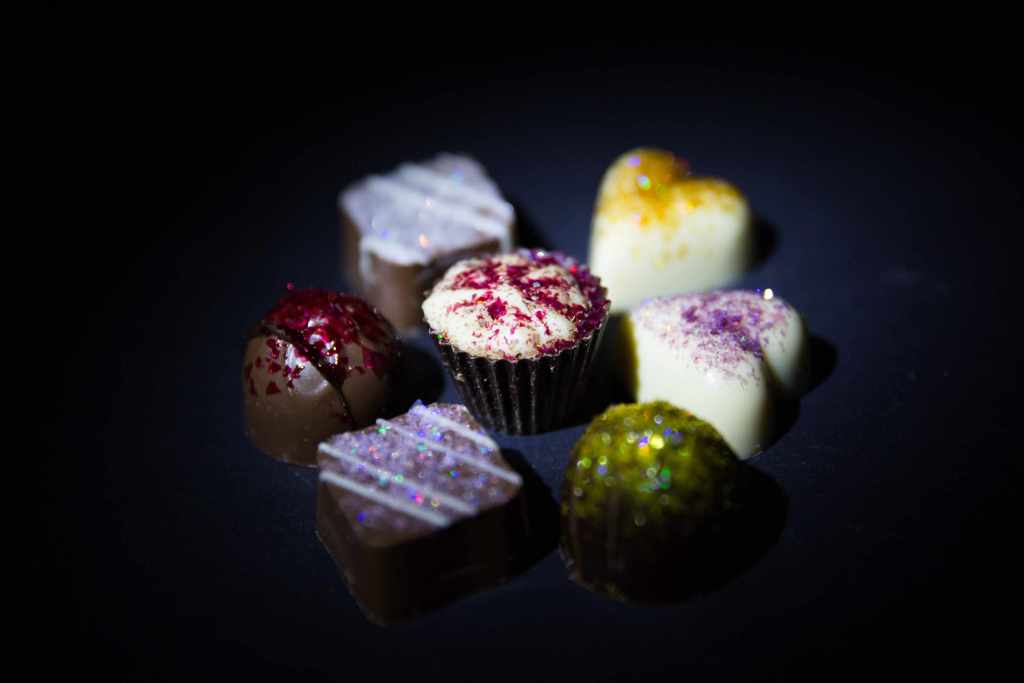
Applying to large surfaces

Expert tips by award-winning Baker, Carol Smith founder of "Cakes by Carol"

In this video, Carol Smith shows us her preferred method of evenly applying Magic Sparkles and Magic Twinkles to large surface areas like tiered cakes using Trex.

In addition to this, she shares a very useful way of minimising wastage and making sure that you use every last bit.

Click on the video below to watch the tutorial:

https://player.vimeo.com/video/687908522?h=fb26ca7bcb
Read More >

Available In 22 Other Colours

  • Red Color Swatch

How Do I Buy?

Find Retailer here:

How much do I need?

Edible Glitter Wholesale International Shipping: Magic Sparkles Export Guide

If you are exploring Edible glitter wholesale international shipping, you are likely looking for a s...

Cake Decorating Tools: Essential Guide For Bakers (2026)

The finish on a cake tells a story before anyone takes a bite. Whether you are just beginning or ref...

High-Protein Cake Recipe For Home Bakers: Healthy, Handmade & Beautifully Decorated

If you have been searching for a high-protein cake recipe that feels indulgent yet supports your hea...

Edible Glitter Colours Bulk Order Guide For Bakeries & Cake Decorators

If you are planning your next purchase, this guide will help you make confident, cost-effective deci...

Buying Edible Glitter in Bulk: A Guide for Wholesale Bakers

Why Wholesale Bakers Buy Edible Glitter In Bulk Buying edible glitter in bulk is not just about s...

How to Fix Too Much Edible Glitter on a Cake

Why Over-Applying Edible Glitter Is a Common Mistake Knowing how to fix too much edible glitter o...

Gold vs Silver Edible Glitter: Which Colour Works Best on Different Desserts

Gold vs Silver Edible Glitter: Why The Colour Choice Matters Gold vs silver edible glitter is one...

Can You Use Edible Glitter on Savoury Food? What Actually Works

Can You Actually Use Edible Glitter on Savoury Food Yes. Edible glitter on savoury food is a real...

How to Start a Glitter Cake Business from Home: Costs, Tools and Suppliers

Why Glitter Cake Businesses Are Growing If you have been thinking about how to start a glitter ca...

Edible Glitter for Allergen-Free Baking: What to Look for on the Label

Why Allergen-Free Edible Glitter Matters for Bakers Allergen free edible glitter for baking is no...

How to Use Edible Glitter on Fresh Fruit Without Moisture Damage

Knowing how to use edible glitter on fresh fruit is one of those skills that looks deceptively simpl...

Beyond the Sparkle: Magic Sparkles Making Truly Safe Edible Glitter for Everyone

When you pick up a jar of glitter from a baking supply shop, how do you know it is actually safe to ...

How to Create Homemade Natural Edible Glitter With Simple Ingredients

Homemade edible glitter is one of those ideas that sounds complicated but is actually very approacha...

Why Edible Glitter Fades in Humid Weather (And How to Prevent It on Cakes)

Humidity above 65% RH destabilises most sugar-based glitters within hours. The shimmer that looked p...

Kids Birthday Cake Design Ideas Using Edible Glitter

There is a moment at every kid's birthday party when the cake comes out and the room goes quiet for ...

How To Keep Cake Decorations From Melting in Warm Environments

You have spent hours on a cake. The buttercream is smooth, the glitter is perfect, the fondant detai...

Using Edible Glitter on Donuts: A Step-by-Step Guide

If you have ever scrolled past a tray of shimmering, prismatic donuts and thought "how did they do t...

101: Your Guide To Magic Sparkles Edible Glitter

If you have ever stood in a baking supply aisle staring at jars of glitter wondering which one is ac...

15 Unique Ways to Use Edible Glitter In the Kitchen and Beyond

Edible glitter has transformed how we think about food presentation. It is no longer reserved for sp...

Minimalist Cake Decoration Trends to Try Now

There is something quietly powerful about restraint. In a world where maximalism once ruled, today's...

Mica vs. Cellulose vs. Plant-Based Flakes: The Truth About Edible Glitter

Most people just grab whatever glitter looks prettiest on the shelf. And that is a problem. No...

5 Stunning Ways To Make Cupcakes Sparkle Using Edible Glitter

You want to know how to make cupcakes sparkle. Not a subtle hint of shimmer. Not 'kind of glitter...

How to Use Edible Glitter in Mocktails: Dos, Don’ts & Safety Tips

Why Edible Glitter Is Transforming the Mocktail Experience You served a drink. And the table w...

Sustainable Bakery Practices: The Complete Guide to Zero-Waste Baking

Sustainable bakery practices are no longer a nice-to-have. They are what your customers are start...

10 Instagram-Worthy Cake Designs Using Magic Sparkles Edible Glitter

You've seen those cakes. The ones that stop your thumb mid-scroll. Shimmering. Prismatic. Impossi...

Cake Decorating 101: FAQs Every Baker Should Know

What Is Cake Decorating and Why Learn the Basics? You really need to hear this. Because honest...

Luxury Cake Design Trends 2026: Silver Renaissance and Architectural Majesty

Luxury cake design trends are changing fast in 2026. And honestly? If you are still working off 2...

Synthetic Colours vs Natural Colours in Edible Decorations: What Bakers Should Know

You're standing in front of your baking supplies trying to figure out which food colouring to use. ...

What Is Edible Glitter Made Of? A Complete Guide to Sparkly, Safe Cake Decorations

When you're decorating a birthday cake or adding shimmer to holiday cookies, you've probably wondere...

Edible Glitter vs Luster Dust: Which to Use for Cakes, Cookies, and Cocktails.

When you're reaching for bakery decorating supplies to add shimmer to your latest creation, the choi...

How to Store & Preserve Edible Glitter for Best Results

You've invested in premium edible glitter to create stunning cakes and desserts, but are you storing...

Best Halal and Kosher Certified Glitters for Commercial Bakeries

Running a commercial bakery means serving diverse communities with different dietary requirements. W...

Edible vs. Non-Toxic: Is Your Cake Glitter Actually Safe to Eat?

When you sprinkle sparkle onto a birthday cake, you assume it's safe to eat. But the glitter sitting...

Is Your Glitter Legal? A 2025 Guide to E171 and Clean Label Compliance

If you've been using the same edible glitter for years without checking ingredient labels lately, yo...

Why Coverage Matters More Than Cost Per Kilo in Bakery Ingredients

When comparing suppliers for your bakery, the cheapest cost per kilo bakery ingredients might seem l...

How to Apply Edible Glitter to Buttercream, Fondant, and Chocolate: A Professional Guide

Knowing the right application techniques transforms amateur-looking cakes into stunning professional...

No E171 in our Magic Sparkles

Sarah Hadland sparked controversy a decade ago on The Great British Bake-Off when she pointed out ...

How “edible” is your food glitter?

There’s a special occasion coming up: a birthday, a wedding or an anniversary and you’re plannin...

Simply sprinkle on to enhance your foods

Kim shows how you can easily enhance your food creations by using Magic Sparkles and Magic Twinkles ...

Applying to large surfaces

Expert tips by award-winning Baker, Carol Smith founder of "Cakes by Carol" In this video, Carol ...