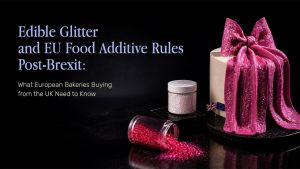
Your little one’s birthday cake is finished. Pink buttercream, a wobbly number five, and a generous shower of glitter on top.
Then you read a headline about microplastics in the ocean. In our blood. In our food.
And you look at the cake again.
Does edible glitter have microplastics? It’s a fair question. Let’s answer it properly.
Does Edible Glitter Have Microplastics? The Short Answer
Real edible glitter doesn’t.
Genuine edible glitter is made from food ingredients. It’s eaten, digested and processed like any other food. There’s no plastic in it.
But here’s the catch. Not everything sold as ‘edible’ or ‘cake glitter’ is actually edible. Some products sold for cakes are plastic. They’re labelled ‘non-toxic’, ‘for decoration only’ or ‘remove before eating’.
So is edible glitter microplastic? The truly edible kind isn’t. The look-alikes often are.
That’s why the answer to ‘does edible glitter have microplastics’ depends entirely on what’s in the pot.
What Real Edible Glitter Is Made Of
Truly edible glitter is made from ingredients you’d find in a food factory, not a craft shop.
Common bases include:
- Maltodextrin: A plant-derived carbohydrate that dissolves easily
- Sugar or gum arabic: Traditional bases for edible flakes
- Starch or cellulose derivatives: Plant-based ingredients used in some edible glitters
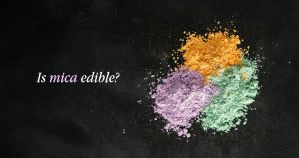
- Food grade mica: A mineral used with approved food colours in some lustre products
Magic Sparkles is made from maltodextrin and natural plant-based colourings. No plastics. No E171. Our founder, Harish Patel, spent years as a food engineer at Cadbury, and every flake is designed to be food first, sparkle second.
The prismatic, jewel-like shimmer comes from the structure of the flakes themselves. It catches the light like crushed crystal, without a speck of plastic.
So is edible glitter plastic? Not when it’s made like this.
Want to compare bases side by side? Read our guide to mica vs cellulose vs plant-based flakes.
Why Craft Glitter Is Microplastic And Edible Glitter Isn’t
To answer ‘does edible glitter have microplastics’, start with craft glitter. It’s usually made from plastic film, often PET, coated with aluminium and cut into tiny pieces. Those pieces are smaller than 5mm, which makes them microplastics by definition.
They don’t dissolve. They don’t digest. They pass straight through your body and end up in drains, rivers and seas.
That’s why the question ‘is edible glitter made of plastic’ matters so much. Craft glitter is. Real edible glitter isn’t.
Back in 2012, the Food Standards Agency warned about non-edible glitter being used on cakes. Many of those products said ‘non-toxic’. But non-toxic just means it won’t poison you in small amounts. It doesn’t mean it’s food.
For the full story, read our guide to edible vs non-toxic glitter.
So when people worry about microplastics in cake decorations, plastic ‘non-toxic’ glitter is usually the culprit. Not true edible glitter.
Is Edible Glitter Biodegradable?
Right after ‘does edible glitter have microplastics’, this is the question we hear most.
Truly edible glitter is food. Maltodextrin-based glitter dissolves in moisture and is digested like other carbohydrates. It doesn’t hang around in your body or the environment the way plastic does.
You can see this in your own kitchen. Sprinkle Magic Sparkles onto a warm, freshly iced cake and the flakes will start to melt. On a set, cool or room-temperature surface, they hold their shape and shimmer.
That’s food behaving like food.
Be careful with ‘biodegradable glitter’ sold for crafts or festivals, though. These are often plant-based films, but they aren’t made to be eaten. Biodegradable doesn’t mean edible.
So is edible glitter biodegradable? The truly edible kind breaks down as food. That’s a very different thing from plastic.
Is Glitter Banned In The UK? What The Microplastics Rules Cover
Short answer? Not in the way many headlines suggest.
In Great Britain, there’s no general ban on plastic glitter right now. The UK did ban plastic microbeads in rinse-off cosmetics back in 2018, but that rule doesn’t cover craft glitter.
The EU went further. Since October 2023, EU rules have restricted the sale of loose plastic glitter as part of a wider crackdown on intentionally added microplastics. Northern Ireland follows many EU product rules, so it’s worth checking if you sell there.
Here’s what matters most for bakers. Whatever the environmental rules say, plastic glitter isn’t food. It shouldn’t go on anything you intend people to eat.
Imagine a school summer fete in a Surrey village. The bake sale table is full of cupcakes. One batch is topped with craft glitter bought online. The FSA’s message is clear: if it isn’t edible, it doesn’t belong on food.
So when someone asks ‘is glitter banned in the UK’, the better question for bakers is simpler. Is it food?
How To Check Your Glitter Isn’t Plastic
You don’t need a lab to answer ‘does edible glitter have microplastics’ for your own pot. Look for these signs:
- The word ‘edible’: Not ‘non-toxic’, ‘food contact’ or ‘for decoration only’
- A full ingredient list: Real food lists every ingredient. Plastic glitter often lists nothing
- Recognisable ingredients: Maltodextrin, sugar, gum arabic or approved colours, not polyester or PET
- A UK manufacturer or importer: A real food business is easy to trace
- Food certifications: Recognised food safety approvals
A simple kitchen test helps too. Drop a pinch into warm water. Edible glitter usually softens or dissolves. Plastic glitter floats and sparkles forever.
Magic Sparkles is SALSA (Safe and Local Supplier Approval) approved, certified by the Vegan Society, approved by the Halal Monitoring Committee and kosher certified by Manchester Beis Din. It’s made in Nuneaton, Warwickshire.
That’s the kind of label that ends the microplastics in cake decorations worry before it starts. Choose clean-label Magic Sparkles and you know exactly what’s on your cake.
Conclusion
So, does edible glitter have microplastics? Truly edible glitter doesn’t. It’s made from food, it behaves like food and it’s digested like food.
The real problem is plastic glitter sold as cake decoration. It looks the same, but it isn’t the same.
Read the label. Look for ‘edible’. Check the ingredients.
Then sprinkle with confidence. Here’s where to buy truly edible glitter for your next celebration bake.
Frequently Asked Questions
Still asking, ‘ Does edible glitter have microplastics’? Quick answers below.
Does edible glitter have microplastics?
Truly edible glitter doesn’t. It’s made from food ingredients like maltodextrin, sugar or gum arabic. Plastic ‘non-toxic’ glitters are a different product.
Is edible glitter biodegradable?
Truly edible glitter is food, so it dissolves and digests like food. Craft ‘biodegradable’ glitters aren’t made to be eaten.
Is edible glitter plastic or made of plastic?
Is edible glitter made of plastic? Not the genuine kind. Products labelled ‘non-toxic’ or ‘for decoration only’ often are.
Is glitter banned in the UK?
There’s no general plastic glitter ban in Great Britain right now. The EU restricted loose plastic glitter in 2023.
How can you tell edible glitter from plastic glitter?
Check for the word ‘edible’ and a full ingredient list. In warm water, edible glitter usually dissolves. Plastic glitter doesn’t.